
Arch Support Footwear: The Complete Guide to Comfort & Pain Relief
Stop living with foot pain. Learn how the right arch support shoes can transform your daily comfort, improve your posture, and keep you moving pain-free.
SHOP RECOMMENDED SHOESWhy Arch Support Matters: Your foot's arch acts as a natural shock absorber, distributing your body weight across your feet. When that arch is compromised—whether from flat feet, high arches, or conditions like plantar fasciitis—the entire kinetic chain from your feet to your spine can suffer. The right arch support footwear restores proper alignment and can dramatically reduce pain.
Understanding Your Arch Type
Before you can choose the right arch support shoes, you need to know what type of arch you have. This fundamental step determines everything from the shoe category to the specific features you should prioritize.
Flat Feet (Pes Planus)
If your arch touches the ground when you stand, you have flat feet. This condition often causes overpronation—where your foot rolls inward excessively. People with flat feet benefit most from stability shoes and flat feet shoes that provide firm midsole support and motion control.
High Arches (Pes Cavus)
A high arch creates a large gap between your foot and the ground. This means less surface area for shock absorption, leading to conditions like metatarsalgia and ankle instability. High arch shoes with ample cushioning and neutral support are essential for comfort.
Neutral Arches
If you have a normal arch that partially touches the ground, you're in the neutral category. You have the most flexibility in shoe choice, but should still prioritize comfort and proper fit. Neutral shoes with moderate cushioning work well for most activities.
How to Determine Your Arch Type at Home
The wet test is a simple, reliable method used by podiatrists and shoe fitters worldwide. Here's how to do it:
Step 1: Prepare
Fill a shallow pan with water and place a piece of dark-colored paper on a flat surface. Make sure you have enough room to step comfortably.
Step 2: Wet Your Feet
Dip the soles of your bare feet in the water. Shake off any excess so they're wet but not dripping.
Step 3: Step and Analyze
Step onto the paper and stand normally. Look at the imprint: a full sole means flat feet, a narrow band means high arches, and a moderate curve means neutral arches.
Once you know your arch type, you can make informed decisions. For precise measurements, consult our fit measurement guide or visit a specialty running store for a gait analysis.
Key Features in Arch Support Footwear
Not all shoes marketed as "arch support" are created equal. Here are the features that actually make a difference:
Midsole Density & Support
The midsole is the heart of arch support. Look for dual-density midsoles—firmer on the medial (inner) side and softer on the lateral (outer) side. This design controls overpronation without sacrificing comfort.
Removable Insoles
Shoes with removable insoles allow you to insert custom orthotics or over-the-counter arch support insoles. This is particularly valuable for flat feet and high arches.
Heel Counter Stability
A firm heel counter keeps your heel locked in place and prevents excessive ankle movement. This feature is critical for anyone with instability or a history of ankle sprains.
Cushioning vs. Support Balance
Too much cushioning can feel unstable, while too much firmness can feel harsh. The best arch support shoes strike a balance with cushioned shoes that still offer structural integrity.
Best Shoe Categories for Arch Support
Different activities and foot types call for different shoe categories. Here's how to match your needs:
| Shoe Category | Best For | Key Features |
|---|---|---|
| Running Shoes | Runners with flat feet or overpronation | Dual-density midsoles, heel counters, motion control |
| Walking Shoes | Everyday comfort and extended walking | Flexible forefoot, firm heel, removable insoles |
| Training Shoes | Gym workouts and cross-training | Lateral support, stable base, durable construction |
| Work Shoes | Professionals on their feet all day | Slip-resistant soles, slip-resistant shoes, cushioning |
| Sneakers | Casual everyday wear with support | Comfortable footbed, supportive midsole, breathable upper |
| Leather Shoes | Formal settings with arch support needs | Removable insoles, quality construction, welted construction |
Best Arch Support Shoes & Footwear
⚠️ AFFILIATE DISCLOSURE: This website contains affiliate links. As an affiliate Associate, we earn from qualifying purchases. If you make a purchase through these links, we may receive a small commission at no additional cost to you. Read our full affiliate policy.

Dr. Scholl's Plantar Fasciitis & Achy Feet Relief Arch Support Sleeve | Unisex cushioned arch supports for plantar fasciitis relief and foot support with foam pad insert, for all-day wear, 1 Pair
Check price on Amazon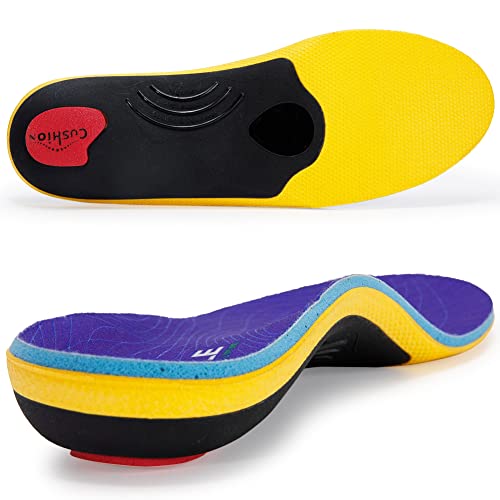
VALSOLE Heavy Duty Support Pain Relief Orthotics - 220+ lbs Plantar Fasciitis High Arch Support Insoles for Men Women, Flat Feet Insert, Work Boot Shoe Insole, Absorb Shock with Every Step
Check price on Amazon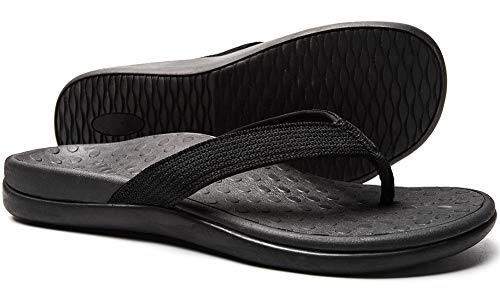
LLSOARSS Plantar Fasciitis Feet sandal with Arch Support - Best Orthotic flip flops for Flat Feet,heel pain- For Women (8 M US, Black)
Check price on Amazon
GETOEU Flip Flops for Women and Men with Arch Support Comfortable Slide Sandals Slip Resistant Shower Shoes Walking Thong Sandals,Brown,8.5-9 Women/7.5-8 Men
Check price on Amazon
Dr. Scholl's Tri-Comfort Shoe Insoles, Shoe Inserts for Women, Size 6-11 | Arch support inserts for women, fit flats, sneakers, dress shoes, loafers and casual shoes for daily wear, 3/4 length, 1 Pair
Check price on Amazon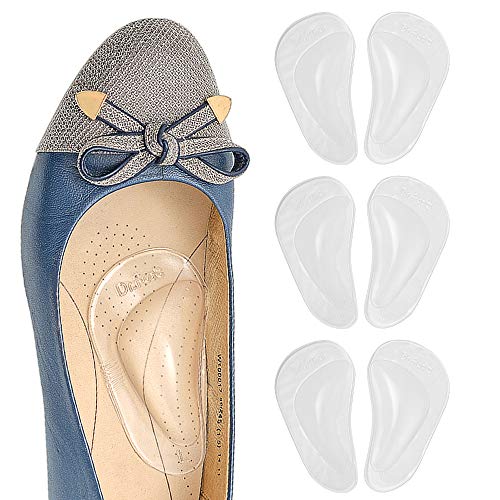
Dr. Foot's Arch Support Shoe Insoles for Flat Feet, Gel Arch Inserts for Plantar Fasciitis, Adhesive Arch Pad for Relieve Pressure and Feet Pain- 3 Pairs (Clear, 3 Count (Pack of 1))
Check price on Amazon
Archies Arch Support Flip Flops, Men & Women, Taupe, US M 7 / W 8
Check price on Amazon
KuaiLu Flip Flops for Women Arch Support Summer Beach Sandals Beige Size 9 | Comfortable Floral Flats Orthopedic Cushion Slides Travel Essentials Pool Vacation Outfits Walking Shoes Slip on Slippers
Check price on AmazonInsoles & Orthotics: When Shoes Aren't Enough
Sometimes the built-in arch support in a shoe isn't sufficient, especially for severe flat feet or high arches. In these cases, adding aftermarket insoles or orthotics can make a world of difference.
Over-the-Counter Insoles
These are widely available and affordable. They provide additional cushioning and moderate arch support. Look for insoles with a deep heel cup and firm arch contour. They're a great first step before investing in custom orthotics.
Custom Orthotics
Prescribed by a podiatrist and molded to your specific foot shape, custom orthotics offer the highest level of support. They're ideal for chronic conditions like plantar fasciitis or severe overpronation that don't respond to other treatments.
Insole Replacement Guide
If you need to replace worn-out insoles, our insole replacement guide walks you through the process. For shoes with removable insoles, swapping them out is quick and easy—just ensure the replacement fits the shoe's depth.
Foot Conditions That Benefit from Arch Support
Arch support footwear isn't just for athletes. Millions of people with various foot conditions find relief through proper support. Here are the most common:
Plantar Fasciitis
This inflammation of the plantar fascia—the thick band of tissue running along the bottom of your foot—causes sharp heel pain, especially in the morning. Arch support reduces strain on the fascia, allowing it to heal. Look for shoes with firm arch support and cushioned heels.
Flat Feet & Overpronation
When your arch collapses with each step, it puts stress on your knees, hips, and lower back. Motion-control shoes and stability shoes with firm midsoles prevent excessive inward rolling.
High Arches & Supination
Rigid, high-arched feet don't absorb shock well, leading to stress fractures and ankle instability. Cushioned shoes with flexible soles and good shock absorption are key.
Diabetic Foot Care
People with diabetes need shoes that protect their feet from pressure points and reduce the risk of ulcers. Arch support footwear with seamless interiors and removable insoles is often recommended.
Breaking In Your Arch Support Shoes
New arch support shoes can feel different—sometimes even uncomfortable at first. That's normal, but you need to break them in properly to avoid blisters and soreness.
Start Slow
Wear your new shoes for short periods at first—30 to 60 minutes a day. Gradually increase wear time over one to two weeks. This allows your feet to adapt to the new support structure.
Use Blister Prevention
Apply blister prevention patches or use moisture-wicking socks. Our break-in guide has more detailed tips for making new shoes comfortable.
Keep Them Clean
Proper care extends the life of your arch support shoes. Regular cleaning—whether leather cleaning or mesh cleaning—keeps the materials supple and the support intact.
Frequently Asked Questions
How do I know if I need arch support shoes?
If you experience foot pain, heel pain, or discomfort in your knees, hips, or lower back after standing or walking, arch support may help. Signs include excessive wear on the inner or outer edges of your shoe soles, visible flattening of your arch when standing, or a family history of foot problems. A simple wet test at home can give you a good starting point.
Can arch support shoes help with plantar fasciitis?
Yes, arch support footwear is one of the most effective non-invasive treatments for plantar fasciitis. By supporting the arch, you reduce the strain on the plantar fascia, allowing it to rest and heal. Look for shoes with firm arch support, a cushioned heel, and a slightly elevated heel to reduce tension on the fascia.
Are expensive arch support shoes always better?
Not necessarily. Price often reflects brand name, materials, and technology, but many affordable shoes offer excellent arch support. The key is to focus on features—midsole density, heel counter stability, removable insoles—rather than price alone. Our budget-friendly shoes guide highlights affordable options that don't compromise on support.
How often should I replace arch support shoes?
Most arch support shoes need replacing every 300 to 500 miles of walking or running, or every 6 to 12 months with daily wear. Signs it's time for a new pair include visible midsole compression, worn-out treads, and a noticeable decrease in support. Our long-lasting shoes guide can help you identify durable options.
Can I wear arch support shoes all day?
Absolutely. In fact, for people with flat feet or high arches, wearing arch support shoes throughout the day is recommended. The key is to choose a shoe appropriate for the activity—walking shoes for errands, work shoes for the job, and casual sneakers for leisure. Rotating between two or three pairs also extends their life.
Ready to Step Into Comfort?
Browse our curated selection of arch support footwear and find the perfect pair for your feet. Your comfort journey starts here.
SHOP ARCH SUPPORT SHOESFinal Thoughts
Arch support footwear is more than a luxury—it's a necessity for anyone who wants to maintain healthy, pain-free feet. Whether you're dealing with flat feet, high arches, plantar fasciitis, or simply want to prevent future problems, investing in the right shoes is one of the best decisions you can make for your overall health.
Remember to start by identifying your arch type, then choose shoes that match your specific needs. Don't be afraid to try different brands and styles—what works for someone else may not work for you. And if you have persistent foot pain, always consult a healthcare professional.
For more guidance on building a foot-healthy wardrobe, explore our fit and sizing hub and shoe categories overview.