
The Complete Guide to Derby Shoes: Fit, Style & Buying Advice
Discover why derby shoes are the most versatile dress shoes you can own. Learn about open lacing, leather quality, fit, and how to style them for work, weddings, and weekends.
Explore Recommended Derby ShoesWhy Derby Shoes? With their open lacing system, derby shoes offer superior comfort and adjustability compared to oxfords. They bridge the gap between formal and casual, making them a cornerstone of any well-rounded footwear collection. Whether you are building your first professional wardrobe or upgrading your style, a quality pair of derbies is essential.
Recommended Derby Shoes
⚠️ AFFILIATE DISCLOSURE: This website contains affiliate links. As an affiliate Associate, we earn from qualifying purchases. If you make a purchase through these links, we may receive a small commission at no additional cost to you. Read our full affiliate policy.

Bruno Marc Men's Dress Oxfords Casual Derby Sneakers,Brown,10 | Breathable Perforated Synthetic Leather, Cushioned Insole, Shock-absorbent Outfit, Fit Boardrooms Bars Daily Wear & Events
Check price on Amazon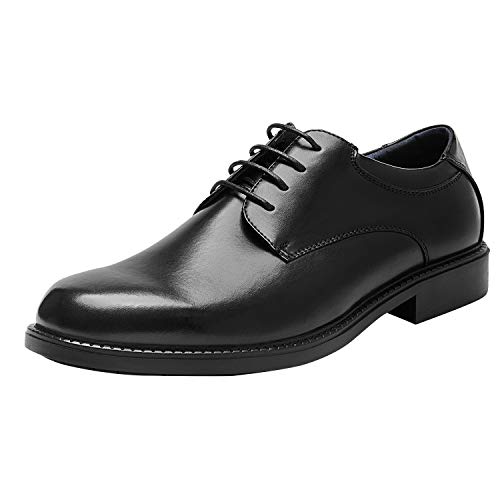
Bruno Marc Men's Dress Shoes Suit Oxford,Black,10.5 | Cushioned Latex Insole,Wear-Resistant TPR Outsole,Classic Derby Shoes for Business,Wedding & Daily Wear
Check price on Amazon
Bruno Marc Men's Dress Oxfords Casual Derby Sneakers,Black,12 | Breathable Perforated Synthetic Leather, Cushioned Insole, Shock-absorbent Outfit, Fit Boardrooms Bars Daily Wear & Events
Check price on Amazon
Amazon Essentials Men's Derby Shoe, Black, 11.5
Check price on Amazon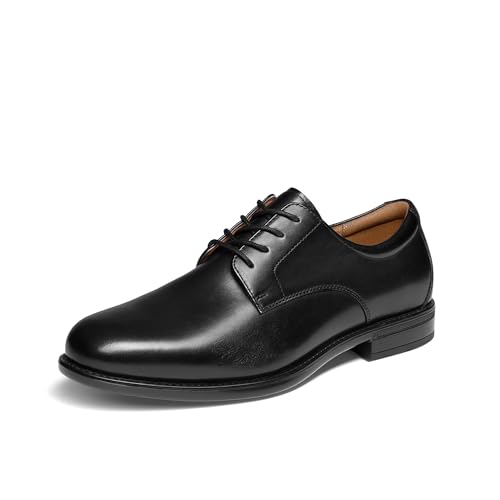
Bruno Marc Men's Classic Leather Dress Shoes,Black,10.5 | Comfort Oxfords Business Formal Lace Up Derby Shoes
Check price on Amazon
Bruno Marc Men's Dress Shoes Suit Oxford,Black/Pat,11 | Cushioned Latex Insole,Wear-Resistant TPR Outsole,Classic Derby Shoes for Business,Wedding & Daily Wear
Check price on Amazon
Clarks Collection Mens Tilden Cap Derby Shoe, Black Leather, 11.5 Medium US
Check price on Amazon
Bruno Marc Mens Non Slip Work Restaurant Dress Shoes,Size 12,All Black-Pu | Splash Proof Reliable Grip Derby Oxfords Chef Uniform Church Office Garden Kitchen Everyday
Check price on AmazonWhat Exactly Are Derby Shoes?
Derby shoes are defined by their open lacing system. Unlike oxford shoes, where the lacing panels are sewn underneath the vamp (the front part of the shoe), derby shoes have lacing panels that are stitched on top of the vamp. This construction creates an open throat that allows the shoe to open wider, making it easier to put on and take off. It also provides more adjustability across the instep, which is a blessing for anyone with a high arch or a wider foot.
The open lacing design is what gives derby shoes their slightly more casual character compared to oxford shoes. While oxfords are strictly formal, derbies sit comfortably in the smart-casual to business-formal range. This versatility is precisely why derby shoes have remained a staple in men's footwear for over a century.
If you are new to dress shoes, understanding the difference between open and closed lacing is fundamental. Our shoe categories overview provides a helpful comparison of all major shoe types, but the derby's unique blend of comfort and elegance makes it a standout choice for everyday wear.
Derby vs. Oxford: Key Differences You Should Know
The most common question people ask is: what is the difference between derby and oxford shoes? The answer lies entirely in the lacing. Oxford shoes feature closed lacing, where the quarters (the side panels with eyelets) are sewn under the vamp. This creates a sleek, streamlined look that is inherently more formal. Derby shoes, with their open lacing, have quarters sewn over the vamp, resulting in a slightly bulkier appearance but far greater comfort and flexibility.
From a styling perspective, oxfords are best reserved for the most formal occasions—black-tie events, business meetings, or weddings. Derby shoes, on the other hand, can be worn with everything from a tailored suit to dark denim and a blazer. This makes them an incredibly practical choice for men who want one pair of shoes that can do it all.
Another consideration is fit. Because derby shoes open wider, they accommodate a variety of foot shapes more easily. If you have a high instep or a wider foot, you may find derbies significantly more comfortable. For more guidance on finding the right fit, explore our fit and sizing hub, which covers everything from wide width shoes to arch support footwear.
The Anatomy of a Quality Derby Shoe
Understanding the components of a derby shoe will help you evaluate quality and make a smarter purchase. Here are the key parts:
- Upper: The main body of the shoe, usually made from leather or suede. Full-grain leather is the most durable and develops a beautiful patina over time.
- Vamp: The front section covering the toes and top of the foot.
- Quarters: The side and back panels that wrap around the heel.
- Lacing System: The open lacing with eyelets and laces that allows for adjustability.
- Sole: Can be leather, rubber, or a combination. Leather soles are traditional and breathable; rubber soles offer better traction and durability.
- Welt: The strip of leather that connects the upper to the sole. Goodyear welted construction is a sign of high quality and allows for resoling.
- Insole: The interior base where your foot rests. A cushioned insole can significantly enhance comfort.
When shopping for derby shoes, pay attention to the construction method. Stitched shoes and welted construction shoes are generally more durable and repairable than cemented shoes. A well-made pair can last for years with proper care.
Choosing the Right Material for Your Derby Shoes
The material of your derby shoes dramatically affects their look, comfort, and longevity. Here is a breakdown of the most common options:
Full-Grain Leather
The highest quality leather available. Full-grain leather retains the natural grain of the hide, making it incredibly durable and breathable. It develops a rich patina over time, giving your shoes character. This is the gold standard for dress shoes and is often found in luxury shoes.
Corrected-Grain Leather
This leather has been sanded and treated to remove imperfections, resulting in a more uniform appearance. It is less expensive than full-grain but also less durable. Many budget-friendly shoes use corrected-grain leather.
Suede
Suede derby shoes offer a softer, more textured look that works beautifully in casual settings. However, suede requires more care—it is susceptible to water damage and stains. Be sure to use a stain guard and follow proper suede cleaning techniques.
Patent Leather
Patent leather has a high-gloss finish and is typically reserved for very formal occasions. It is less breathable than other leathers and shows scuffs easily.
For a deeper dive into materials, visit our material and build hub. If you are concerned about durability, look for shoes with abrasion-resistant properties or consider water-resistant shoes for wet climates.
How to Get the Perfect Fit in Derby Shoes
Fit is arguably the most important factor in shoe comfort. Derby shoes, with their open lacing, are more forgiving than oxfords, but you still need to get the size right. Here are some tips:
- Measure Your Feet: Use our fit measurement guide to determine your exact size. Feet can change over time, so measure regularly.
- Consider Width: If you have wide feet, look for wide width shoes or extra wide shoes. Conversely, if your feet are narrow, narrow shoes may be necessary.
- Toe Shape: Derby shoes come in various toe shapes. Round toe shoes are the most traditional and comfortable, while square toe shoes offer a more modern, fashion-forward look.
- Arch Support: If you need extra support, consider adding an insole or looking for shoes with built-in arch support footwear. People with flat feet or high arches should pay special attention to this.
- Break-In Period: Quality leather shoes require a break-in period. Follow our break-in guide to avoid blisters and discomfort.
Remember that sizing can vary between brands. Always check the brand's specific size chart and read reviews from other customers. Our international size chart can help you convert sizes if you are buying from overseas. For women, refer to our women shoe sizes guide, and for children, the kids shoe sizes guide.
Styling Derby Shoes: From Boardroom to Weekend
One of the greatest strengths of derby shoes is their versatility. Here is how to style them for different occasions:
Business and Formal Wear
For business attire, opt for a sleek leather derby in black or dark brown. Pair them with tailored wool trousers and a blazer. A monk strap shoe is another excellent alternative for formal settings, but derbies offer a more relaxed elegance that works well in modern offices. Avoid overly chunky soles for formal occasions; a slim leather sole is more appropriate.
Smart Casual
This is where derby shoes truly shine. A pair of brown suede or grained leather derbies looks fantastic with dark denim, chinos, or even tailored shorts in summer. You can also explore loafers for a slip-on alternative, but derbies offer more support and a more polished look.
Weekend and Casual
For a relaxed weekend look, consider derby shoes in lighter colors or with a rubber sole. They pair well with jeans and a casual button-down shirt. If you prefer a sportier aesthetic, you might also like sneakers or canvas shoes. But for a touch of refined casual style, derbies are hard to beat.
For more styling inspiration, visit our style and outfit hub. If you are building a capsule wardrobe, derby shoes are a key component. Check our guide to capsule wardrobe shoes for more ideas.
Caring for Your Derby Shoes
Proper care will extend the life of your derby shoes significantly. Here are some essential maintenance tips:
- Clean Regularly: Wipe down leather shoes with a damp cloth after each wear. For deeper cleaning, follow our leather cleaning guide.
- Condition: Leather needs moisture to stay supple. Use a quality leather conditioner every few months.
- Polish: Regular polishing not only keeps shoes looking sharp but also protects the leather. Use a polish that matches the shoe color.
- Protect: Apply a waterproofing spray or shoe guard spray to protect against water and stains. For suede, use a stain guard.
- Store Properly: Use shoe trees to maintain shape and absorb moisture. Store shoes in a cool, dry place. Consider shoe storage covers for extra protection.
- Address Odors: If your shoes develop odors, use odor control products or follow our shoe deodorizing guide. For moisture issues, see our moisture control tips.
- Repair Promptly: If you notice a worn heel or a loose stitch, address it immediately. Our guides on heel repair, sole replacement, and stitching repair can help. You may also need to replace laces or an insole from time to time.
For a comprehensive overview of shoe care, visit our shoe care and repair hub.
How to Choose the Best Derby Shoes for Your Needs
With so many options on the market, selecting the right pair can feel overwhelming. Here is a step-by-step approach:
- Determine Your Budget: Derby shoes range from affordable to luxury. Set a budget and look for the best value within that range. Our best value guide and budget-friendly shoes articles can help.
- Identify Your Primary Use: Will you wear them mostly for work, formal events, or casual outings? This will guide your choice of material, color, and sole type.
- Choose Your Material: Leather is the most versatile and durable. Suede is more casual. Consider the climate you live in—if it rains often, a water-resistant option is wise.
- Select a Color: Black is the most formal. Brown and tan are more versatile for casual and business casual. Burgundy or oxblood can add a stylish touch.
- Check Construction Quality: Look for welted construction or stitched shoes for durability. Avoid cemented shoes if you want long-lasting footwear.
- Try Before You Buy: If possible, try on several pairs to find the best fit. If buying online, check the return policy.
- Read Reviews: Our shopping and reviews hub offers insights and comparisons. You can also explore top rated shoes and editor's picks for recommendations.
- Consider Longevity: A well-made pair of derby shoes can last a decade or more with proper care. Look for long-lasting shoes that are tear-resistant and abrasion-resistant.
If you are new to buying dress shoes, our first shoe checklist is a great resource. For detailed comparisons, see our spec comparison and brand-free comparison guides. And if you are considering financing, check our financing options page.
Popular Derby Shoe Variations
Derby shoes come in several styles, each with its own character:
- Plain Toe Derby: The simplest and most versatile. Clean lines make it suitable for both formal and casual wear.
- Cap Toe Derby: Features a seam across the toe cap. Slightly more formal than plain toe.
- Brogue Derby: Decorated with perforations (brogueing). Brogues can be very ornate, with wingtips or semi-brogue patterns. They are generally more casual.
- Saddle Derby: Features a contrasting panel across the middle. A classic American style.
- Split Toe Derby: Has a seam down the center of the toe. Also known as a Norwegian split toe.
For more on brogues and other styles, visit our brogues guide. If you are interested in other formal shoe types, explore monk strap shoes and loafers.
Common Mistakes to Avoid When Buying Derby Shoes
- Ignoring Fit: Never sacrifice fit for style. Ill-fitting shoes are uncomfortable and can cause foot problems.
- Choosing Fashion Over Quality: Trendy shoes may look good now but fall apart quickly. Invest in quality construction.
- Not Considering Versatility: A classic black or brown leather derby will serve you better than a trendy color or material.
- Skipping Care: Neglecting maintenance will shorten the life of your shoes. Follow our care tips.
- Buying Without Research: Read reviews, compare prices, and understand what you are paying for. Our price to quality guide can help.
- Forgetting About Comfort Features: Look for cushioned shoes or padded collar shoes if comfort is a priority. Breathable shoes are also important for warmer climates.
Where to Buy Derby Shoes
You can find derby shoes at a variety of retailers, from department stores to specialty shoe boutiques and online marketplaces. When shopping online, be sure to check the return policy and read customer reviews. Our sales and deals guide can help you find discounts. For those interested in luxury options, explore our luxury shoes section. If you are looking for something more affordable, see our budget-friendly shoes recommendations.
Remember to use our affiliate links above to support ShoesTruth while finding your perfect pair. We appreciate your support!
Final Thoughts on Derby Shoes
Derby shoes are an essential part of any man's wardrobe. Their unique open lacing system offers unmatched comfort and adjustability, while their timeless design ensures they never go out of style. Whether you are dressing for a business meeting, a wedding, or a casual weekend outing, a well-chosen pair of derby shoes will always have your back—or rather, your feet.
We hope this guide has given you the knowledge and confidence to choose the perfect pair. Explore our recommended derby shoes above, and don't forget to check out our other resources on shoe categories, fit and sizing, and shoe care to complete your footwear education. Happy shoe shopping!