


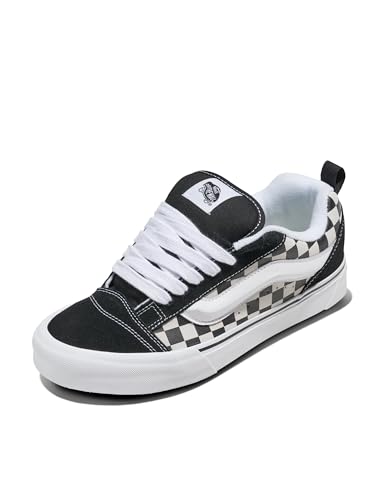


How to Choose Skate Shoes: A Complete Buying Guide
Skate shoes are engineered for the unique demands of skateboarding: constant friction against grip tape, high-impact landings, and the need for board feel. Unlike a casual sneaker, a true skate shoe balances durability, grip, cushioning, and style. Before you buy, it's essential to understand the key features that separate a performance skate shoe from a fashion imitation. If you're new to buying footwear for a specific sport, our first shoe checklist is a great starting point.
1. Construction: Vulcanized vs. Cupsole
The construction of a skate shoe dramatically affects its performance and feel. The two main types are vulcanized and cemented (cupsole).
- Vulcanized: These shoes have a thin rubber sole that is heat-fused to the upper. They offer excellent board feel, are lightweight, and provide superior grip. However, they offer less impact protection and wear out faster. Ideal for technical street skating where board feel is paramount.
- Cupsole: These feature a thicker, stitched rubber sole, often with an EVA midsole for cushioning. They provide more impact protection, durability, and support. They are heavier and offer less board feel but are better for big drops and transition skating.
Your choice depends on your skating style. Street skaters often prefer vulcanized for control, while park and transition skaters lean towards cupsole for protection. You can learn more about these constructions in our material and build hub.
2. Materials: Durability Meets Breathability
The upper material is the first line of defense against grip tape. The most durable options are suede and heavy-duty canvas.
- Suede: The gold standard for skate shoes. It resists abrasion, molds to your foot, and provides a classic look. Look for reinforced stitching or double-layered toe caps for added longevity.
- Canvas: Lighter and more breathable, canvas is great for hot weather but wears through faster. Many brands offer canvas models with suede reinforcements in high-wear areas.
- Leather: While less common, leather offers excellent durability and a premium feel, though it takes longer to break in.
For ultimate longevity, consider shoes with abrasion-resistant uppers. Proper care, like using a stain guard or learning suede cleaning, can extend the life of your shoes.
3. Grip and Sole: Your Connection to the Board
The outsole is critical for grip and board feel. Most skate shoes use a gum sole or a specialized rubber compound for maximum traction on grip tape.
- Tread Pattern: A subtle, often honeycomb-like pattern provides the best grip. Deep treads can get clogged with wax and debris.
- Rubber Compound: Softer rubber offers more grip but wears down faster. Harder rubber lasts longer but offers less traction. Many brands have proprietary compounds that balance both.
- Board Feel: A thinner sole provides better board feel, allowing you to sense your board's position precisely. If you prefer a broken-in feel from day one, look for flexible sole shoes.
4. Fit and Comfort: The Foundation of Performance
A proper fit is non-negotiable. Skate shoes should be snug but not tight, with a little room in the toe box to prevent your toes from jamming on impact. Here's what to look for:
- Width: If you have wider feet, look for wide width shoes or brands known for a roomier fit. Conversely, narrow shoes are available for slimmer feet.
- Cushioning: A good cushioned insole or midsole absorbs impact. Many skaters upgrade to aftermarket insoles for better shock absorption and arch support. If you need extra support, check out our guide to arch support footwear.
- Break-In: Most skate shoes require a break-in period. Our break-in guide offers tips to make this process smoother and less painful.
- Lacing: A secure lacing system is vital. Consider upgrading to durable laces if the stock ones wear out quickly.
Getting the right size is crucial. Refer to our guides on men's shoe sizes and women's shoe sizes, and use our fit measurement guide for accuracy.
Vulcanized vs. Cupsole: A Quick Comparison
To help you decide, here's a side-by-side comparison of the two main skate shoe constructions.
| Feature | Vulcanized | Cupsole |
|---|---|---|
| Board Feel | Excellent | Moderate |
| Impact Protection | Low | High |
| Durability | Moderate | High |
| Weight | Lightweight | Heavier |
| Grip | Superior | Good |
| Best For | Street, technical tricks | Transition, big drops, park |
| Price Range | $60–$90 | $80–$120+ |
Many skaters own both types, choosing based on the session. For a deeper dive into sole types, explore our guides on rubber sole shoes and EVA sole shoes.
Caring for Your Skate Shoes
Skate shoes take a beating. Proper care can significantly extend their lifespan and keep them looking fresh. Regular maintenance is key.
- Cleaning: Learn how to clean your shoes based on material. We have specific guides for suede cleaning, canvas cleaning, and mesh cleaning. For general rubber soles, a rubber shoe wash works wonders.
- Protection: Apply a waterproofing spray or shoe guard spray to protect against moisture and stains. A stain guard can also help.
- Repair: Don't throw away shoes with minor damage. You can often repair them. Learn about sole replacement, heel repair, or stitching repair. Replacing the insole can also refresh comfort.
- Odor and Hygiene: Skate shoes can get smelly. Use odor control products, shoe deodorizing methods, and practice anti-bacterial care. For moisture, consider moisture control solutions.
- Storage: When not in use, store your shoes in a cool, dry place. Shoe storage covers can protect them from dust and sunlight.
For a comprehensive overview, visit our shoe care & repair hub.
Skate Shoe Style: From the Park to the Street
Skate shoes have transcended their functional roots to become a staple of casual fashion. Their chunky silhouettes and bold designs are now common in streetwear. Here's how to style them:
- Everyday Look: Pair classic black or white skate shoes with jeans, chinos, or shorts. They add a relaxed, cool vibe to any outfit. Check out our everyday shoe looks for inspiration.
- Athleisure: Combine skate shoes with joggers and a hoodie for a comfortable, sporty look. Our athleisure shoe looks guide can help.
- Color Matching: A pair of white shoes or black shoes is incredibly versatile. For a bolder statement, try a two-tone design.
- Capsule Wardrobe: A neutral-colored skate shoe is a perfect addition to a capsule wardrobe.
For more style ideas, explore our style & outfit hub.
Frequently Asked Questions About Skate Shoes
How long do skate shoes last?
The lifespan of a skate shoe depends on the construction, materials, and how often you skate. A vulcanized shoe might last 1-3 months with heavy daily skating, while a cupsole or suede shoe can last 3-6 months or more. Proper care and rotating between pairs can extend their life.
Are skate shoes good for walking?
Yes, many people wear skate shoes for walking due to their comfort and style. However, they are designed for board feel, not long-distance walking. If you need shoes for walking, consider dedicated walking shoes which offer better arch support and cushioning for that specific activity.
What is the difference between skate shoes and sneakers?
While skate shoes are a type of sneaker, they are specifically designed for skateboarding. Key differences include reinforced stitching, durable suede or canvas uppers, a grippy gum rubber sole, and often a thicker tongue and collar for protection. A general sneaker prioritizes style and general comfort over the specific durability and board feel requirements of skating.
Do I need special socks for skate shoes?
While not mandatory, wearing moisture-wicking socks can help keep your feet dry and comfortable. Some skaters prefer thicker socks for extra padding and to fill out the shoe for a snugger fit.
How do I know if my skate shoes are too small?
Your toes should not touch the front of the shoe. There should be about a thumb's width of space between your longest toe and the end of the shoe. If your toes are cramped or you feel pressure on the sides, the shoes are too small. Refer to our fit measurement guide for help.