
Running Shoes: The Ultimate Buying Guide
Stop guessing and start running. Learn how to choose the right running shoes for your gait, distance, and terrain.
START YOUR GUIDEWhy Running Shoes Matter: Running is a high-impact activity. The wrong pair can lead to blisters, shin splints, or even long-term injury. The right pair acts as an extension of your body, providing the support and cushioning you need to hit your stride confidently.
Understanding Your Running Style
Before you look at a single shoe, you need to understand your unique running mechanics. Every runner is different, and the best running shoe for you depends on your foot type, gait cycle, and where you plan to run. The first step is to identify your arch type and pronation. If you have flat feet or high arches, your needs will differ significantly. For instance, runners with flat feet shoes often require motion control, while those with high arch shoes need neutral cushioning. Additionally, knowing your arch support footwear needs is critical for comfort.
Next, consider your gait. Are you a neutral runner, or do you overpronate or supinate? If you're unsure, a gait analysis at a specialty running store is invaluable. Your gait will dictate whether you need neutral shoes or stability shoes. Don't skip this step—it's the foundation of a great running experience.
Top-Rated Running Shoes for Every Runner
⚠️ AFFILIATE DISCLOSURE: This website contains affiliate links. As an affiliate Associate, we earn from qualifying purchases. If you make a purchase through these links, we may receive a small commission at no additional cost to you. Read our full affiliate policy.

Brooks Men’s Adrenaline GTS 25 Supportive Running & Walking Shoe - Primer Grey/Ebony/Jasmin - 11 Medium
Check price on Amazon
Under Armour Men's Charged+ Assert 11, 001 Black, 7.5
Check price on Amazon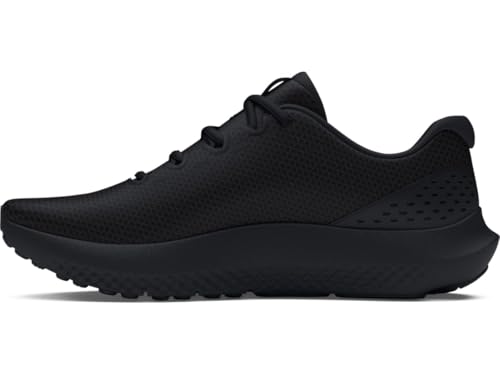
Under Armour Men's Charged Surge 4, 002 Black, 10.5
Check price on Amazon
Under Armour Men's Charged Assert 10 Shoes, (002) Black/Black/Black, 11
Check price on Amazon
Brooks Men’s Revel 8 Neutral Running & Walking Shoe - White/Black/Oak Buff - 9 Medium
Check price on Amazon
Under Armour Men's Charged+ Assert 11 4E, 002 Black, 10.5
Check price on AmazonKey Features to Look For
1. Cushioning: The Pillow for Your Feet
Cushioning is the most debated topic in running. It determines how soft or firm the shoe feels underfoot. If you're looking for maximum comfort, explore cushioned shoes that absorb impact. However, if you prefer a more grounded, responsive feel, you might prefer minimal cushioning. The amount of cushioning you need depends on your weight, running surface, and distance. For long-distance road running, a high-cushion shoe is often preferred. For speed work, a lighter, firmer shoe may be better. You can also look for lightweight shoes if you prioritize speed and agility.
2. The Upper: Breathability and Fit
The upper is the part of the shoe that wraps around your foot. It should be comfortable, breathable, and secure. A good running shoe upper will use engineered mesh or knit materials to allow air to circulate. If you suffer from sweaty feet, look for breathable shoes. You can also explore mesh shoes or knit shoes for a sock-like fit. The heel collar should be padded to prevent slipping and blisters; look for a padded collar shoes design.
3. The Sole: Grip and Durability
The outsole is where the rubber meets the road (literally). For road running, you need a sole that balances grip and durability. If you run on wet surfaces, a slip-resistant shoes design is a must. The midsole is the layer between the outsole and the upper; it often contains foam or gel for cushioning. Some runners prefer rubber sole shoes for their durability, while others prefer EVA sole shoes for their lightweight properties. For trail running, you'll want a more aggressive tread and possibly a water-resistant shoes upper.
4. Fit and Sizing: The Golden Rule
Never buy running shoes based on your dress shoe size. Your feet swell during a run, so you typically need a half-size larger than your casual shoes. If you have wide feet, look for wide width shoes or even extra wide shoes. Conversely, if you have narrow feet, you may need narrow shoes. Always use the fit measurement guide, and don't forget to check the half size guide if you're in between sizes. For kids, ensure you consult the kids shoe sizes chart. You can also refer to our fit and sizing hub for a comprehensive overview.
5. Weight and Flexibility
A lighter shoe can help you run faster, but it often sacrifices durability and support. If you're a beginner, prioritize comfort and support over weight. If you're an experienced runner looking for a personal best, you might opt for a racing flat. For most runners, a balance of weight and flexibility is key. Look for a flexible sole shoes design that allows your foot to move naturally. You can also compare options using our spec comparison guide to see how different models stack up.
6. Durability and Longevity
Running shoes typically last between 300 and 500 miles. After that, the cushioning degrades, and the risk of injury increases. To get the most out of your investment, look for long-lasting shoes with abrasion-resistant shoes outsoles and tear-resistant shoes uppers. Proper care can also extend their life. Learn how to clean them with our mesh cleaning and canvas cleaning guides. You can also use shoe storage covers to protect them from dust and sunlight.
7. Budget Considerations
Running shoes can range from affordable to premium. You don't need to spend a fortune to get a great pair. If you're on a budget, look for budget-friendly shoes that still offer good support. If you're looking for the best value, our best value guide can help you find the sweet spot. For those who want the pinnacle of technology, explore luxury shoes. Also, don't forget to check the sales and deals guide for discounts. If you need to spread the cost, consider financing options.
How to Care for Your Running Shoes
Your running shoes work hard for you, so treat them well. After a run, let them air dry naturally—never put them in a dryer. Remove the insoles and laces to allow them to dry completely. If they get muddy, use a soft brush and mild soap. For specific materials, follow our guides on mesh cleaning and canvas cleaning. To keep them fresh, use odor control products and consider shoe deodorizing sprays. For hygiene, practice anti-bacterial care and moisture control. When not in use, store them in shoe storage covers to protect them from dust and UV damage. You can also apply waterproofing guide treatments for wet weather. If they start to smell, try shoe freshening methods. If a lace breaks, learn how to do laces replacement. If the insole wears out, consider insole replacement.
Final Thoughts
Choosing the right running shoes is a journey of self-discovery. It requires understanding your body, your goals, and your environment. Don't rush the process. Use the first shoe checklist to ensure you cover all bases. If you're still unsure, explore our shoe categories overview to see how running shoes compare to other types like training shoes or walking shoes. You might also be interested in basketball shoes or tennis shoes if you play other sports. For a broader perspective on footwear, check out our material and build hub and shoe care and repair hub.
Remember, the best shoe is the one that feels like it was made for you. Invest in your feet, and they will carry you miles. Now that you're equipped with the knowledge, it's time to make your purchase. Happy running!