
Stability Shoes: Your Complete Guide to Supportive Footwear
Discover how stability shoes correct overpronation, reduce injury risk, and keep you comfortable mile after mile. Find your perfect pair today.
SEE TOP RECOMMENDATIONSQuick Answer: Stability shoes are designed for runners and walkers who overpronate — meaning their feet roll inward excessively with each step. These shoes feature medial support, firm midsoles, and guidance technologies to align your stride and prevent injuries. Expect to pay between $80–$180 for a quality pair from leading brands.
What Are Stability Shoes?
Stability shoes are a category of footwear engineered to control excessive inward rolling of the foot, a biomechanical issue known as overpronation. Unlike neutral shoes that offer cushioned, balanced support for runners with a neutral gait, stability shoes incorporate firmer medial posts, dual-density midsoles, or guide rails to keep the foot aligned through the gait cycle.
If you've ever noticed your running shoes wearing down unevenly on the inner edge of the sole, or if you experience arch pain, shin splints, or knee discomfort after runs, you may be a candidate for stability footwear. These shoes are also commonly recommended for people with flat feet or low arches, as they help compensate for the lack of natural arch support.
Stability shoes sit between neutral shoes and motion control shoes on the support spectrum. They're ideal for mild to moderate overpronators who still want a responsive, comfortable ride without the bulk and rigidity of maximum-control footwear.
Key Features of Stability Shoes
Understanding the anatomy of a stability shoe helps you make an informed purchase. Here are the critical components to look for:
Medial Post
A firmer section of foam on the inner side of the midsole that limits inward rolling. This is the defining feature of traditional stability shoes.
Dual-Density Midsole
Two types of foam — softer on the lateral side, firmer on the medial side — work together to guide your foot into a neutral position.
Guide Rails
Modern stability shoes often use external guide rails instead of rigid posts, offering support that engages only when needed for a smoother ride.
Firm Heel Counter
A rigid heel structure that stabilizes the rearfoot and prevents excessive side-to-side motion during landing.
Wider Base
A broader platform improves ground contact and stability, reducing the risk of ankle rolls on uneven terrain.
Arch Support
Built-in arch support or contoured insoles that complement the shoe's structural stability features. Learn more in our arch support footwear guide.
Who Should Wear Stability Shoes?
Not everyone needs stability shoes. Here's how to determine if they're right for you:
You Likely Need Stability Shoes If You:
- Overpronate: Your foot rolls inward excessively when you walk or run. A gait analysis at a specialty running store can confirm this.
- Have flat feet or low arches: These foot types often lack natural shock absorption and need extra support. See our flat feet shoes guide.
- Experience frequent injuries: Shin splints, plantar fasciitis, IT band syndrome, and knee pain are common in overpronators.
- Notice uneven shoe wear: If the inner edge of your soles wears down faster than the outer edge, you're likely overpronating.
- Stand or walk for long periods: Jobs that require hours on your feet benefit from the added support of stability footwear, including work shoes designed with stability features.
You May Not Need Stability Shoes If You:
- Have a neutral gait with even shoe wear.
- Have high arches and supinate (roll outward). In this case, neutral shoes or cushioned shoes are better choices.
- Prefer a minimalist, barefoot-style ride.
If you're unsure about your foot type, consult our fit and sizing hub for guidance on analyzing your gait and arch type.
Stability vs. Neutral vs. Motion Control Shoes
Choosing the right category is crucial. Here's a quick comparison:
| Feature | Neutral Shoes | Stability Shoes | Motion Control Shoes |
|---|---|---|---|
| Best For | Neutral gait, high arches | Mild to moderate overpronation | Severe overpronation, flat feet |
| Support Level | Low | Moderate | High |
| Midsole | Single-density foam | Dual-density or guide rails | Rigid medial post, firm foam |
| Weight | Lightest | Moderate | Heaviest |
| Price Range | $70–$160 | $80–$180 | $100–$200 |
For most overpronators, stability shoes offer the ideal balance of support and comfort. Motion control shoes are reserved for severe cases and often feel bulky for everyday running. If you're looking for lighter options, explore our lightweight shoes collection.
How to Choose the Best Stability Shoes
Follow these steps to find your perfect pair:
- Get a Gait Analysis: Visit a specialty running store or use a treadmill with video analysis to confirm your pronation type.
- Prioritize Fit: Your shoe should feel snug in the heel, comfortable in the midfoot, and roomy in the toe box. Check our fit measurement guide for detailed instructions.
- Consider Your Activity: Running shoes differ from walking shoes or training shoes. Choose based on your primary use.
- Test the Support: Press the inner side of the midsole — it should feel firmer than the outer side in traditional stability models.
- Check the Heel Counter: A firm heel counter holds the rearfoot in place. Squeeze it — it shouldn't collapse easily.
- Break Them In Gradually: Follow our break-in guide to avoid blisters and discomfort.
- Replace When Needed: Stability shoes typically last 300–500 miles. Worn-out midsoles lose their supportive properties.
Top Stability Shoe Brands & Price Expectations
Leading footwear brands offer excellent stability options at various price points:
- Brooks — Known for the Adrenaline GTS and Beast series. $110–$170
- ASICS — The Gel-Kayano and GT series are industry benchmarks. $120–$180
- New Balance — The 860 and 1540 models offer reliable support. $100–$170
- Saucony — The Guide and Omni lines provide smooth stability. $100–$160
- Hoka — The Gaviota and Arahi combine cushioning with guidance. $130–$180
Budget-conscious buyers can find quality stability shoes for under $100, especially from previous-season models. Check our budget-friendly shoes and sales and deals guide for money-saving tips. For premium options, explore our luxury shoes section.
Caring for Your Stability Shoes
Proper maintenance extends the life and performance of your stability footwear:
- Clean Regularly: Follow our mesh cleaning or leather cleaning guides depending on your shoe's upper material.
- Replace Insoles: If your shoes come with removable insoles, consider replacing them with fresh ones every few months. See our insole replacement guide.
- Control Odor: Use our odor control and shoe deodorizing tips to keep them fresh.
- Protect from Moisture: Apply a waterproofing treatment if you run in wet conditions.
- Rotate Pairs: Alternating between two pairs gives the foam time to decompress, extending its supportive life.
For comprehensive care advice, visit our shoe care and repair hub.
Common Mistakes When Buying Stability Shoes
- Buying for the wrong gait: Stability shoes won't help supinators and may cause discomfort. Confirm your pronation type first.
- Ignoring fit: Even the best stability shoe won't work if it doesn't fit properly. Prioritize comfort over brand names. See our first shoe checklist.
- Choosing style over function: A sleek design means nothing if the shoe doesn't support your stride.
- Wearing them past their prime: Replace shoes when the midsole feels flat or you've logged 300–500 miles.
- Not breaking them in: Jumping straight into long runs with new shoes invites blisters and injuries.
Ready to Find Your Perfect Stability Shoes?
Browse our curated selection of top-rated stability shoes from trusted brands. Whether you're a runner, walker, or someone who stands all day, we've got you covered.
SHOP RECOMMENDED STABILITY SHOESRecommended Stability Shoes
⚠️ AFFILIATE DISCLOSURE: This website contains affiliate links. As an affiliate Associate, we earn from qualifying purchases. If you make a purchase through these links, we may receive a small commission at no additional cost to you. Read our full affiliate policy.

ALLSWIFIT Men's Slip On Stability Walking Run Sneakers,Black,10.5 | Arch Support,Breathable,Hands-Free,Lightweight,Cushioned,Jogging,Exercise,Gym,Workout,Running,Fashion Sneakers,StediCore
Check price on Amazon
Brooks Men’s Adrenaline GTS 25 Supportive Running & Walking Shoe - Primer Grey/Ebony/Jasmin - 11 Medium
Check price on Amazon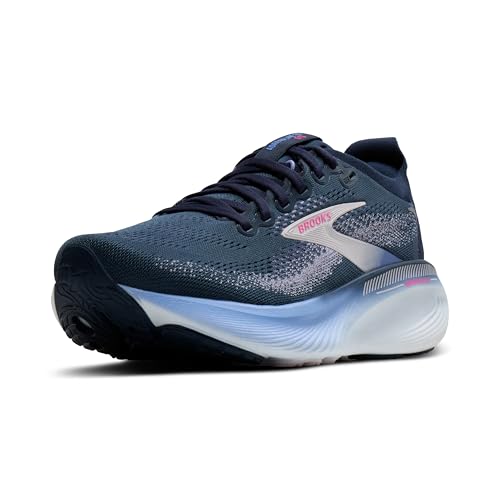
Brooks Women’s Adrenaline GTS 25 Supportive Running & Walking Shoe - Spellbound/Blazing Bell/Pink - 7.5 Medium
Check price on Amazon
ALLSWIFIT Women's Slip On Stability Walking Fashion Sneaker,Beige/Khaki,7.5 | Arch Support,Hands Free,Breathable,Cushioned,Jogging,Cross Trainning,Gym,Workout,Exercise,Running,Tennis Shoes,StediCore
Check price on Amazon
Brooks Women’s Adrenaline GTS 25 Supportive Running & Walking Shoe - White/Black/White - 10 Medium
Check price on Amazon
Brooks Women’s Adrenaline GTS 25 Supportive Running & Walking Shoe - Coconut/Argyle - 8.5 Medium
Check price on Amazon
ASICS Women's GT-1000 14 Running Shoes, 8, Winter SEA/White
Check price on AmazonFinal Thoughts on Stability Shoes
Stability shoes are a game-changer for anyone dealing with overpronation. They provide the structural support needed to align your stride, reduce injury risk, and keep you comfortable throughout your daily activities. By understanding your gait, knowing what features to look for, and choosing a reputable brand, you can find a pair that feels like it was made for your feet.
Remember, the best stability shoe is the one that fits your foot shape, matches your activity level, and feels comfortable from the first stride. Don't rush the decision — your feet will thank you. For more guidance, explore our shoe categories overview or dive into specific topics like arch support and wide width shoes.