
Lightweight Shoes: The Ultimate Guide to Featherlight Comfort & Performance
Discover how lightweight footwear can transform your daily comfort, running performance, and travel experience. Learn what makes a shoe truly lightweight and how to choose the perfect pair for your needs.
Explore Top PicksWhy Lightweight Shoes Matter More Than You Think
When you're on your feet all day, every ounce counts. Lightweight shoes have revolutionized the footwear industry by proving that you don't have to sacrifice support or durability for comfort. Whether you're a runner chasing a personal best, a traveler navigating cobblestone streets, or someone who simply wants to feel less fatigued at the end of the day, understanding lightweight footwear is essential.
The science is simple: for every 100 grams of weight saved per shoe, you reduce the energy expenditure of your legs. This translates to less fatigue, better endurance, and a more natural gait. Modern material and build innovations have made it possible to create shoes that weigh under 250 grams while still offering excellent cushioning and support.
But lightweight doesn't mean flimsy. The best lightweight shoes use advanced engineering to strip away unnecessary bulk while preserving the structural integrity you need. From running shoes designed for speed to walking shoes built for all-day comfort, the lightweight category has something for everyone.
What Makes a Shoe Lightweight? The Key Factors
Understanding the anatomy of a lightweight shoe helps you make smarter purchasing decisions. Here are the primary components that determine a shoe's weight:
1. Upper Materials
The upper is often the heaviest part of a shoe. Traditional leather uppers can weigh significantly more than modern alternatives. Lightweight shoes typically use:
- Engineered Mesh: The gold standard for lightweight breathability. Mesh shoes offer excellent ventilation while keeping weight minimal.
- Knit Fabrics: Knit shoes provide a sock-like fit with minimal seams and exceptional breathability.
- Canvas: Canvas material shoes are a classic lightweight option for casual wear.
- Synthetic Overlays: Strategic reinforcement without the bulk of full leather.
2. Sole Construction
The sole is another critical weight factor. Lightweight shoes often feature:
- EVA Foam: EVA sole shoes are lightweight, cushioned, and highly responsive.
- Compression-Molded Foam: Advanced foams that offer high energy return with minimal weight.
- Rubber Pods: Strategic rubber placement for traction only where needed, rather than a full rubber outsole.
- Minimalist Soles: Some lightweight shoes use very thin soles for a more natural feel, though this may sacrifice protection.
For those who prioritize flexibility alongside lightness, flexible sole shoes are an excellent choice.
3. Construction Methods
How a shoe is put together affects its weight. Cemented shoes are generally lighter than welted construction shoes, which use heavier stitching and materials. Vulcanized shoes offer a middle ground, while injection molded shoes can be engineered for minimal weight.
The Benefits of Wearing Lightweight Shoes
Switching to lightweight footwear can have a profound impact on your daily life. Here's what you can expect:
Reduced Fatigue
Carrying less weight on your feet means your legs and feet don't have to work as hard. This is especially noticeable during long walks, runs, or shifts where you're standing for hours. If you're on your feet all day, pairing lightweight shoes with cushioned shoes technology can provide the ultimate comfort experience.
Improved Performance
For runners, every gram matters. Lightweight running shoes can help you run faster and longer with less perceived effort. Many elite runners choose racing flats that weigh as little as 150 grams. Even for casual joggers, the difference is noticeable.
Better Breathability
Lightweight shoes often prioritize ventilation. Breathable shoes keep your feet cool and dry, reducing the risk of blisters and odor. This is particularly important in warm climates or during intense physical activity.
Enhanced Portability
If you travel frequently, lightweight shoes are a game-changer. They take up less space in your luggage and are easier to pack. A pair of lightweight sneakers or slip-on shoes can be your go-to travel companion.
Natural Motion
Lighter shoes often allow for more natural foot movement, which can strengthen your foot muscles over time. This is particularly true for flexible sole shoes that mimic the natural biomechanics of walking barefoot.
Types of Lightweight Shoes for Every Activity
Not all lightweight shoes are created equal. The best choice depends on your intended use. Here's a breakdown of the most popular categories:
Lightweight Running Shoes
Designed for speed and efficiency, these shoes prioritize minimal weight while still offering adequate cushioning. They often feature engineered mesh uppers and responsive foam midsoles. If you're looking for a dedicated running shoe, explore our guide to running shoes for more detailed recommendations.
Lightweight Walking Shoes
For daily walks and casual wear, lightweight walking shoes offer a perfect balance of comfort and support. They're ideal for travel, commuting, or simply running errands. Check out our walking shoes guide for options that prioritize both lightness and durability.
Lightweight Training Shoes
Gym-goers need shoes that are light enough for agility work but stable enough for lifting. Training shoes in the lightweight category often feature a wide, stable base with a minimal upper.
Lightweight Casual Shoes
For everyday style, lightweight sneakers, canvas shoes, and slip-on shoes are excellent choices. They're easy to wear, easy to pack, and easy on your feet.
Lightweight Work Shoes
Even in the workplace, lightweight options exist. Some work shoes are now designed with lightweight materials without compromising safety features. However, if you need maximum protection, you may need to prioritize safety over minimal weight with safety shoes or steel toe shoes.
How to Choose the Perfect Lightweight Shoes
Finding the right pair requires balancing several factors. Here's what to consider:
1. Understand Your Foot Shape and Size
Before anything else, ensure you know your correct size. Our fit and sizing hub is a great starting point. If you have wide feet, look for wide width shoes. If you have narrow feet, narrow shoes may be a better fit. For those with extra wide feet, extra wide shoes are available. Don't forget to check our international size chart if you're buying from overseas.
2. Consider Your Arch Type
Your arch type affects the kind of support you need. People with flat feet may benefit from arch support footwear or specifically designed flat feet shoes. Those with high arches might prefer high arch shoes. Neutral runners can often wear neutral shoes, while those needing extra stability should look at stability shoes.
3. Match the Shoe to the Activity
A lightweight running shoe is not ideal for basketball. A basketball shoes needs more ankle support and durability. Similarly, tennis shoes require lateral support that lightweight running shoes may lack. Always choose a shoe designed for your primary activity.
4. Prioritize Materials
Look for uppers made of mesh shoes material or knit shoes for maximum breathability and minimal weight. Avoid heavy leather uppers unless you specifically need the durability and aesthetics of leather shoes.
5. Check the Weight
As a general rule, a lightweight shoe weighs under 300 grams (10.5 oz) for a men's size 9. Some ultra-light models weigh under 200 grams. If weight is your top priority, look for shoes in the 200-250 gram range.
6. Don't Sacrifice Durability
Lightweight shoes can still be durable. Look for shoes with abrasion-resistant shoes properties in high-wear areas and tear-resistant shoes materials. A well-made lightweight shoe can last just as long as a heavier one. For tips on extending the life of your shoes, see our shoe care and repair hub.
Lightweight Shoes vs. Traditional Shoes: A Quick Comparison
| Feature | Lightweight Shoes | Traditional Shoes |
|---|---|---|
| Weight | Under 300g (often 200-250g) | 350g and above |
| Materials | Mesh, knit, synthetic, EVA foam | Leather, heavy rubber, dense foams |
| Breathability | Excellent | Moderate to poor |
| Cushioning | Responsive, often less plush | Plush, sometimes overly soft |
| Durability | Good, but may wear faster in high-abrasion areas | Excellent, especially in leather models |
| Best For | Running, walking, travel, casual wear | Formal wear, heavy work, harsh conditions |
| Price Range | $60–$200 | $80–$300+ |
As you can see, lightweight shoes excel in comfort and breathability, while traditional shoes may offer superior durability and protection. Your choice should depend on your specific needs and priorities.
How to Care for Your Lightweight Shoes
Lightweight shoes require slightly different care than traditional footwear. Here are some tips to keep them in top condition:
- Clean Regularly: Mesh and knit uppers can trap dirt. Follow our mesh cleaning and canvas cleaning guides for best results.
- Air Dry: Never put lightweight shoes in the dryer. Air dry them at room temperature, away from direct heat.
- Use Protective Sprays: A good stain guard or shoe guard spray can help repel water and dirt. For wet conditions, consider waterproofing.
- Manage Odor: Lightweight shoes are often worn without socks or with thin socks, which can lead to odor. Use odor control products and shoe deodorizing techniques. Regular anti-bacterial care is also recommended.
- Replace Insoles: If your shoes have removable insoles, consider replacing them periodically with insole replacement for renewed comfort.
- Store Properly: Use shoe storage covers to protect them from dust and damage. For moisture-prone areas, moisture control products can help.
Recommended Lightweight Shoes
⚠️ AFFILIATE DISCLOSURE: This website contains affiliate links. As an affiliate Associate, we earn from qualifying purchases. If you make a purchase through these links, we may receive a small commission at no additional cost to you. Read our full affiliate policy.

SHULOOK Non Slip Work Boots for Men Restaurant Kitchen Food Service Black | Slip Resistant Chef Shoes Lightweight Ankle Support Working Comfortabke Outdoor Mesh Walking Footwear
Check price on Amazon
Bruno Marc Men's KnitFlex Breeze Casual Dress Sneakers,Black,10.5 | Breathable Lightweight Mesh Lace-Up Derby Walking Shoes for Work & Weekend
Check price on Amazon
Mens Tennis Shoes Running Sneaker Slip On Walking Shoe Black Size 9.5 | Gym Workout丨Athletic丨Breathable Material丨Lightweight丨Jogging丨Casual Sport丨Non Slip
Check price on Amazon
White Sneakers for Women Men Tennis Shoes Running White Women 8/ Men 6.5
Check price on Amazon
Under Armour Men's Charged+ Assert 11, 001 Black, 7.5
Check price on Amazon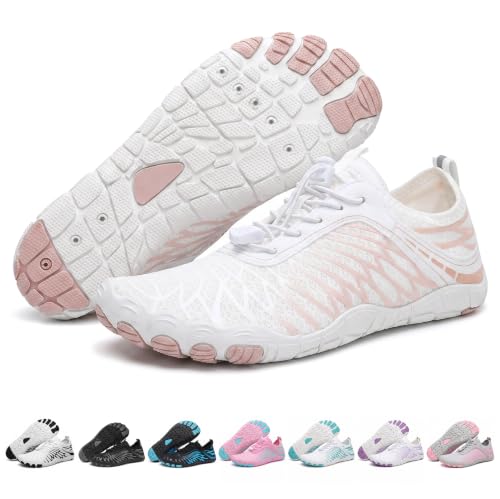
ELETON Barefoot Shoes Women Men Hiking Water Shoes Wide Toe Box Zero Drop | Non-Slip Lightweight Running Walking Grounding Workout Footwear, Quick-Dry Beach Pool Swim River Gym Sneakers Unisex
Check price on Amazon
MIFAWA Barefoot Shoes Men Wide Toe Box Zero Drop Water Shoes Men for Gym Workout Minimalist Weightlifting Cross-Trainer Running Hike Grounded Footwear Black
Check price on AmazonFinal Thoughts: Is a Lightweight Shoe Right for You?
Lightweight shoes are more than just a trend—they're a practical choice for anyone who values comfort, performance, and mobility. Whether you're a runner, a traveler, or someone who simply wants to feel lighter on their feet, there's a lightweight shoe out there for you.
Remember to consider your foot shape, arch type, and intended activity when making your choice. And don't forget that proper care can extend the life of even the lightest shoes. If you're ready to explore more, check out our shoe categories overview to find the perfect pair for your needs.
Ready to make a purchase? Browse our recommended lightweight shoes above. These picks are selected based on performance, comfort, and value. Happy stepping!