
Leather Cleaning: The Complete Guide to Restoring and Protecting Your Leather Shoes
Master the art of leather cleaning with proven techniques, the right tools, and expert tips that keep your favorite leather shoes looking rich, supple, and new for years.
Leather shoes are an investment. A well-made pair of leather shoes can last a decade or more with proper care, aging gracefully into a patina that no synthetic material can replicate. But leather is also skin — it dries out, absorbs stains, and deteriorates when neglected. Whether you own Oxford shoes for the office, loafers for weekends, or rugged leather boots for the outdoors, understanding how to clean leather properly is the single most important skill you can develop to protect your footwear investment.
This guide walks you through the entire leather cleaning process, from assessing the type of leather you own to removing stubborn stains and conditioning the material so it stays flexible and resilient. By the end, you'll have a repeatable routine that takes less than 30 minutes and dramatically extends the life of every leather shoe in your closet.
Why Leather Cleaning Matters More Than You Think
Leather is a porous material made from animal hide. Its fibers are packed with natural oils that keep it soft and strong. Over time, those oils migrate and evaporate, and dirt particles work their way into the pores. If left untreated, this leads to cracking, stiffness, and irreversible damage. Regular cleaning does more than make your shoes look good — it replenishes what daily wear strips away.
There's also a practical side beyond aesthetics. Dirt and grit act like sandpaper inside the leather structure, slowly abrading the surface every time the shoe flexes. Salt stains from winter roads, water rings from rain, and oil splashes from the kitchen all chemically attack the material. Cleaning removes these contaminants before they bond permanently. For anyone who owns leather sole shoes or welted footwear, the stakes are even higher — a damaged upper on a resoleable shoe is a tragedy, because the sole can be replaced but the leather cannot.
Know Your Leather Type Before You Clean
Not all leather is the same, and using the wrong cleaning method can ruin a pair instantly. Before you touch any product, identify what you're working with.
Full-Grain Leather
The highest quality, with the full grain intact. Durable and develops a rich patina. Clean with mild soap and condition regularly. This is the most forgiving leather to work with.
Top-Grain Leather
Slightly sanded to remove imperfections. Common in dress shoes and Derby shoes. Treat similarly to full-grain but be gentler with abrasive tools.
Corrected-Grain Leather
Heavily sanded and stamped with a pattern, then coated. Very durable but less breathable. Wipe clean; avoid heavy conditioning that can't penetrate the coating.
Patent Leather
High-gloss lacquered finish. Never use traditional leather cleaners. Wipe with a damp cloth and buff with a soft cloth only.
Nubuck & Suede
These are NOT cleaned like smooth leather. If your shoes are suede, follow our dedicated suede cleaning guide instead.
Bonded Leather
Reconstituted from leather scraps. Low durability. Clean gently with a damp cloth and avoid soaking, which causes delamination.
Quick test: Press a drop of water on an inconspicuous area. If it beads up, your leather is treated or coated — clean gently. If it absorbs and darkens, it's untreated and will need conditioning after cleaning.
Essential Tools and Supplies for Leather Cleaning
You don't need a professional kit, but you do need the right basics. Assembling these items costs between $40 and $120 and will last for dozens of cleanings.
The Starter Kit
- Horsehair brush — for dusting and applying product. Soft bristles won't scratch the surface.
- Cotton or microfiber cloths — at least three: one for cleaning, one for conditioning, one for buffing.
- Mild leather soap or saddle soap — pH-balanced, never dish soap or detergent.
- Leather conditioner or cream — restores oils after cleaning. Essential step, not optional.
- Cedar shoe trees — not for cleaning, but critical for drying and shape retention. See our shoe storage covers guide for more on storage.
- Leather-safe stain eraser — a gum eraser works for light scuffs on smooth leather.
- Warm water — never hot, never soaking wet.
Optional but useful: a protective spray for after cleaning, and a dedicated leather balm for very dry or vintage leather. Avoid silicone-based products, which clog pores and attract more dirt over time.
Step-by-Step: How to Clean Leather Shoes
Follow this sequence every time. Rushing any step — especially drying — undermines the whole process.
Remove Laces and Insoles
Pull the laces out completely and set aside. If your insoles are removable, take them out. This gives you full access to the tongue and interior. Laces themselves can be hand-washed separately with mild soap and air-dried. If your laces are frayed, this is a good time to consider lace replacement.
Dry-Brush the Entire Shoe
Using your horsehair brush, brush off loose dirt, dust, and dried mud. Work in small circles, paying attention to the welt area and any stitching where grit accumulates. Do this over a trash bin. This step prevents you from grinding dirt into the leather when you introduce moisture.
Wipe with a Damp Cloth
Dampen — don't soak — a microfiber cloth with warm water. Wipe down the entire upper surface. This removes surface residue and prepares the leather to accept soap. Rinse the cloth and repeat if the shoe is heavily soiled.
Apply Leather Soap with a Brush
Work a small amount of leather soap into a lather using a damp brush. Apply to the leather in gentle circular motions. Don't scrub aggressively — you're lifting dirt from the pores, not scouring a pan. Spend extra time on the toe box and heel, where grime concentrates. For shoes with intricate detailing like brogues, use a soft toothbrush to reach into the perforations.
Wipe Away the Soap Residue
Use a clean, damp cloth to remove all soap. Leftover soap attracts dirt and can leave a dull film. Rinse your cloth frequently. If the leather darkens slightly, that's normal — it will lighten as it dries.
Air Dry Naturally — Never Use Heat
Stuff the shoes with crumpled newspaper or insert cedar shoe trees to maintain shape and absorb moisture. Let them dry at room temperature, away from direct sunlight, radiators, or hair dryers. Heat cracks leather and causes it to shrink. Allow 6 to 12 hours.
Condition the Leather
Once completely dry, apply a small amount of leather conditioner with a cloth or your fingertips. Massage it into the leather in thin, even layers. The leather will absorb what it needs; wipe off any excess after 10 minutes. Conditioning restores flexibility and prevents cracking — it's the step most people skip and the one that matters most.
Buff to a Natural Shine
Take a clean, dry cloth and buff the entire shoe using rapid back-and-forth motions. This removes residual conditioner and brings up a soft, healthy glow. For a higher polish, use a horsehair brush in quick strokes. Re-lace and replace insoles.
This full routine is best performed every 4 to 8 weeks depending on wear frequency. For shoes worn daily in harsh conditions, clean every 2 to 3 weeks. A quick dry-brush and damp wipe can be done weekly as maintenance between deep cleanings.
Removing Common Leather Stains
Different stains require different approaches. Always test any method on a hidden area first, such as inside the heel or under the tongue.
For ongoing protection between cleanings, a stain guard product creates a barrier that buys you time to wipe spills before they set. This is especially valuable for light-colored leather, which shows every mark.
Mistakes That Ruin Leather Shoes
Even well-intentioned care can backfire. Avoid these common errors:
- Soaking leather in water. Leather is not waterproof. Submerging it causes the fibers to swell, then stiffen and crack as they dry.
- Using dish soap, detergent, or all-purpose cleaners. These strip natural oils and leave leather brittle.
- Drying near heat sources. Radiators, direct sun, and hair dryers all cause irreversible cracking.
- Skipping conditioner. Cleaning removes oils. If you don't put them back, the leather dries out.
- Over-conditioning. More is not better. Excess conditioner clogs pores and attracts dirt. Once every 4 to 8 weeks is plenty.
- Using a washing machine. Never, under any circumstances, put leather shoes in a washing machine. For washable materials, see our canvas cleaning and mesh cleaning guides instead.
Building a Long-Term Leather Care Routine
Consistency beats intensity. A few small habits, practiced regularly, will keep your leather shoes in excellent condition for years.
After every wear: Brush off dust with a horsehair brush and insert cedar shoe trees. This takes 60 seconds and prevents most problems before they start. Rotate your shoes — never wear the same pair two days in a row. Leather needs 24 hours to dry fully from foot moisture.
Monthly: A quick wipe with a damp cloth followed by a light condition keeps the leather supple. This is also a good time to inspect stitching, soles, and heels for early signs of wear. If you spot sole damage, address it before it spreads — see our guides on sole replacement and heel repair.
Seasonally: Perform the full deep-clean routine described above. Before storing, condition thoroughly and apply a protective spray. Store in a cool, dry place with shoe trees. For humid climates, add a moisture absorber — learn more in our moisture control guide.
When to call a professional: Deep cracks, structural damage, or expensive exotic leathers are best handled by a cobbler or leather specialist. If a shoe has sentimental or high monetary value, don't experiment — the cost of professional cleaning is far less than replacement. If your shoes develop odors despite cleaning, our odor control guide covers safe deodorizing methods.
Leather care is a skill, and like any skill it improves with practice. Start with a pair you're not too precious about, learn the feel of the material, and gradually build confidence. Your leather shoes will reward you with years of comfortable, stylish service — and a patina that tells your story.
Recommended Leather Cleaning Products
⚠️ AFFILIATE DISCLOSURE: This website contains affiliate links. As an affiliate Associate, we earn from qualifying purchases. If you make a purchase through these links, we may receive a small commission at no additional cost to you. Read our full affiliate policy.

Weiman Leather Cleaner, Conditioner & Protector, Car Interior & Furniture | Cleans Conditions and Restores Leather Surfaces, UV Protectants Help Prevent Cracking or Fading
Check price on Amazon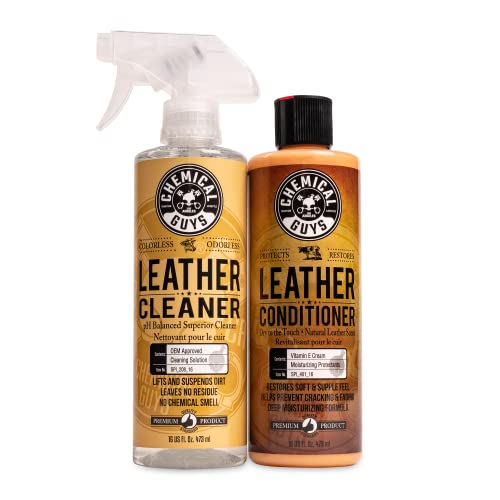
Chemical Guys, Leather Cleaner & Conditioner Kit for Cars & Home, 2 x 16 oz | Two-step kit cleans then conditions seats, furniture, bags and boots, pH-balanced for natural and sealed leather
Check price on Amazon
Leather Honey Leather Cleaner – Non-Toxic & Made in the USA Since 1968 | Deep Cleans Leather, Faux Leather & Vinyl – Restore Couches, Car Seats, Purses, Shoes & Bags. For Any Color, Including White
Check price on Amazon
Leather Boot Care Kit, Mink Oil & Saddle Soap for Leather Cleaner & Boots | 6-in-1 Leather Shoe Care Kit, Leather Cleaner and Conditioner for Purses, Shoes, Boots, Couch, Car
Check price on Amazon
Leather CPR Cleaner and Conditioner 18oz. Bring Leather Back To Life on Furniture, Car Seats, Handbags, Jackets, Boots, Saddles, Purses & Shoes. Restores Shine, Softness & Color to Real Leather
Check price on Amazon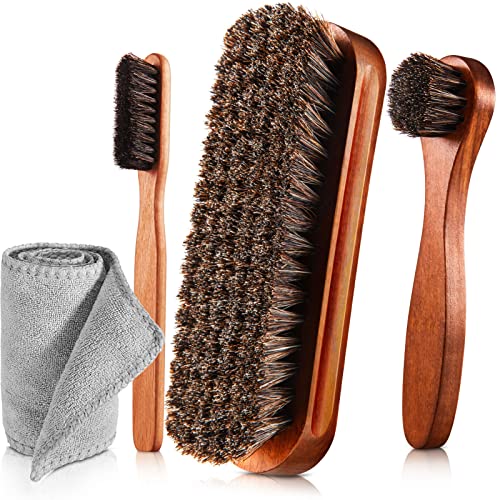
4 Pcs Horsehair Shine Shoes Brush Kit Polish Dauber Applicators Cleaning Leather Shoes Boots Care Brushes Suede Cleaner Brush with Microfiber Shoe Cloth(4 Pcs Style A)
Check price on Amazon
Leather Honey Complete Leather Care Kit – Non-Toxic, Made in USA | Trusted Since 1968. Complete Kit Includes Cleaner, Conditioner and Cloths. Clean & Restore Couches, Car Seats, Shoes & Boots.
Check price on Amazon
Armor All Car Leather Cleaner Spray with Beeswax, 16 Fl Oz | Cleans, Conditions, Protects, Beeswax Leather Care Spray for Cars, Trucks, Motorcycles, Furniture, Shoes
Check price on AmazonContinue Your Shoe Care Journey
Leather cleaning is one piece of a complete footwear maintenance system. Explore our shoe care and repair hub for related guides, or dive into specific topics like waterproofing, insole replacement, and shoe storage covers. If you're still building your collection, our material and build hub explains how to identify quality leather before you buy, while the shopping and reviews hub helps you find the best value on your next pair.
For related cleaning methods on other materials, see our guides on suede cleaning and rubber shoe wash. And if you're just starting out with leather footwear, the first shoe checklist covers everything you need to know before your first purchase.