Oxford Shoes
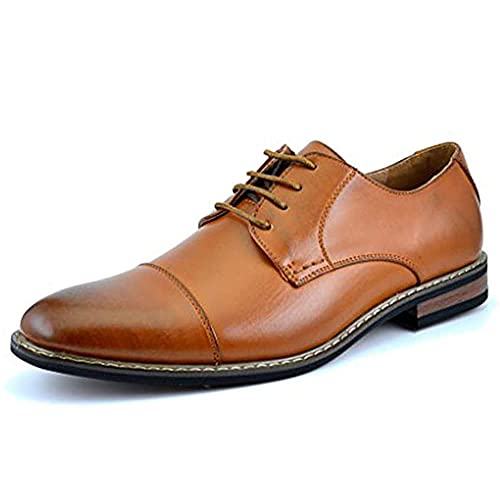
The most formal leather shoe, characterized by its closed lacing system. Perfect for business and formal events. Learn more about Oxfords.

Discover everything you need to know about leather shoes — from full-grain vs. corrected grain to proper care, fit, and styling. Make an informed purchase for work, formal, or everyday wear.
Explore Leather TypesWhy Leather Shoes? Leather remains the gold standard in footwear for its durability, breathability, and ability to mold to your feet over time. Whether you're looking for Oxford shoes for the boardroom or loafers for weekend wear, understanding leather quality is the key to a smart investment.
Leather shoes have been a staple of men's and women's wardrobes for centuries, and for good reason. Unlike synthetic materials, high-quality leather breathes, adapts to the shape of your foot, and develops a rich patina that only improves with age. A well-cared-for pair of leather shoes can last a decade or more, making them far more cost-effective than fast-fashion alternatives.
When you invest in leather footwear, you're not just buying shoes — you're buying comfort, style, and longevity. From the boardroom to a casual weekend outing, the right pair of leather shoes can elevate any outfit. If you're new to building a shoe collection, start with our first shoe checklist to ensure you cover all the essentials.
Not all leather is created equal. The type of leather used dramatically affects the shoe's appearance, durability, and price. Here are the most common types you'll encounter:
The highest quality leather, retaining the full grain of the hide. It's the most durable, breathable, and develops a beautiful patina over time. Found in premium leather shoes and Oxfords.
Slightly sanded to remove imperfections, making it more uniform but less breathable than full-grain. Still a high-quality choice for Derby shoes and loafers.
Sandpapered and stamped with a fake grain pattern. More affordable but less durable. Often used in budget-friendly leather footwear.
Made from the lower layers of the hide. It's weaker and often used for suede or less expensive shoes. Not ideal for long-term wear.
Made from leather scraps glued together. The lowest quality and least durable. Avoid if you want shoes that last.
Leather with a glossy, mirror-like finish. Perfect for formal occasions and dress shoes. Requires special care to maintain its shine.
When shopping, always check the label for "full-grain" or "top-grain" if you want the best quality. For a deeper dive into materials, explore our material and build hub.
Leather is versatile and used in a wide range of shoe styles. Here are the most popular categories:
The most formal leather shoe, characterized by its closed lacing system. Perfect for business and formal events. Learn more about Oxfords.
Slightly less formal than Oxfords due to their open lacing. A versatile choice for both office and casual wear. Explore Derby shoes.
Slip-on leather shoes that offer a smart-casual look. Ideal for business casual and weekend outfits. See loafer styles.
Distinctive leather shoes with a strap and buckle instead of laces. A stylish alternative to traditional lace-ups. Discover Monk Straps.
Leather shoes with decorative perforations. They range from formal to casual depending on the design. Read the brogues guide.
Durable and stylish, leather boots are perfect for outdoor and casual wear. Pair them with jeans or chinos for a rugged look.
Leather shoes have a unique characteristic: they stretch and mold to your feet over time. However, this doesn't mean you should buy them too tight. A proper fit is crucial for comfort and foot health. Always measure your feet at the end of the day when they're at their largest, and consider the width of the shoe as well as the length.
If you have wide feet, look for wide width shoes. For narrow feet, narrow shoes are a better fit. Those with high arches may benefit from arch support footwear, while people with flat feet should consider flat feet shoes. Our fit and sizing hub offers detailed guides, including men's shoe sizes and women's shoe sizes.
Remember, leather shoes will stretch slightly with wear, so if they feel snug but not painful, they'll likely break in perfectly. For tips on breaking in new shoes, see our break-in guide.
Proper care is essential to extend the life of your leather shoes. Here's a quick overview:
For a comprehensive guide, visit our shoe care and repair hub. You can also explore specific topics like odor control, moisture control, and shoe freshening.
For more guidance on finding the best value, check our best value guide and budget-friendly shoes section. If you're considering a luxury purchase, see our luxury shoes page.
⚠️ AFFILIATE DISCLOSURE: This website contains affiliate links. As an affiliate Associate, we earn from qualifying purchases. If you make a purchase through these links, we may receive a small commission at no additional cost to you. Read our full affiliate policy.




Leather shoes are more than just footwear — they're an investment in style, comfort, and durability. By understanding the different types of leather, knowing your fit, and committing to proper care, you can enjoy your leather shoes for years to come. Whether you're shopping for work shoes, dress shoes, or casual sneakers, the principles remain the same: prioritize quality, fit, and maintenance.
Ready to explore more? Browse our shoe categories overview or dive into our shopping and reviews hub for expert recommendations.
The information provided on ShoesTruth is for educational and informational purposes only. We are not professional footwear specialists or cobblers, and our content should not replace professional advice. Always consult with a qualified expert regarding fit, safety, or material-related concerns. Some content may use AI assistance. Always check product warranties and safety standards before purchasing. If you do not agree, please do not use this website. Read the full disclaimer.