
Leather Sole Shoes: The Complete Guide to Craftsmanship, Comfort & Style
Explore the timeless appeal of leather sole shoes. Understand construction methods, care routines, and how to choose the perfect pair for formal and everyday wear.
START EXPLORINGShoesTruth Philosophy: Leather sole shoes represent the pinnacle of traditional shoemaking. This guide will help you understand why they remain a cornerstone of refined footwear and how to get the most from your investment.
Recommended Leather Sole Shoes
⚠️ AFFILIATE DISCLOSURE: This website contains affiliate links. As an affiliate Associate, we earn from qualifying purchases. If you make a purchase through these links, we may receive a small commission at no additional cost to you. Read our full affiliate policy.

Bruno Marc Men's Dress Oxfords Casual Derby Sneakers,Brown,9.5 | Breathable Perforated Synthetic Leather, Cushioned Insole, Shock-absorbent Outfit, Fit Boardrooms Bars Daily Wear & Events
Check price on Amazon
Women's Leather Soft Bottom Flat Slip-on Loafers Fashion Handmade Floral Embroidery Walking Shoes Comfort Orthopedic 4D Pain Relief Casual Shoes (Green,9,Women,9)
Check price on Amazon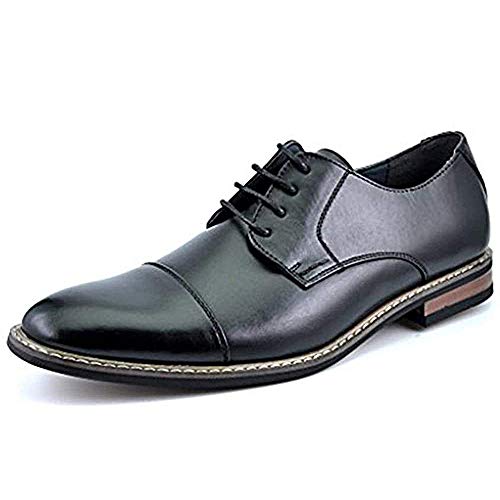
Bruno Marc Men's Dress Shoes,Black,12 | Smooth PU Upper,Breathable Lining,Sweat-Wicking Latex Insole for Office & Daily Occasions
Check price on Amazon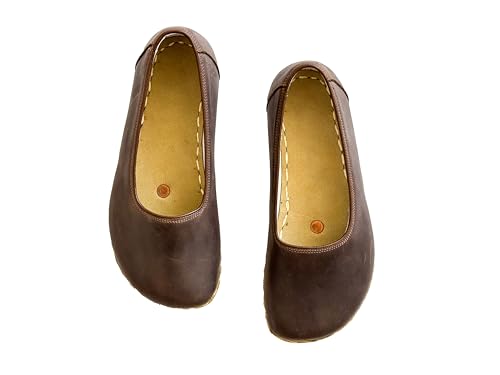
Grounding Shoes for Women, Barefoot Leather Shoes,Earthing with Copper Rivet, Wide Toe Box, Minimalistic Shoes, Gifts for Him | Bitter Brown (Women 9.5 US)
Check price on Amazon
Ballet Shoes for Women Leather Full Sole Mesh Dance Shoes Women for Beginner
Check price on Amazon
PROJECT CLOUD 100% Genuine Leather Moccasin Clogs for Women Fall Shoes | Memory Foam Insole Clogs for Comfortability - Fall Shoes for Women Durable Womens Clogs - Water-Resistant Mules for Women
Check price on Amazon
Clarks Men's Tilden Cap Oxford Shoe Dark Tan Leather 11 M
Check price on Amazon
HOBIBEAR Barefoot Shoes Lightweight Wide Toe Box Zero Drop Slip-on Shoes for Women(W-Beige Brown, Women 7)
Check price on AmazonWhat Are Leather Sole Shoes?
Leather sole shoes are footwear featuring soles made from tanned animal hides, typically cowhide. Unlike rubber or synthetic soles, leather soles offer a unique combination of breathability, flexibility, and timeless elegance. They are most commonly found on formal shoes such as Oxford shoes, Derby shoes, and loafers, but can also appear on certain boots and casual styles.
The appeal of leather soles lies in their ability to mold to the wearer's foot over time, providing a custom-like fit. They also allow feet to breathe, reducing moisture and odor. However, they require more care than rubber soles and are less suited to wet or rough terrain. For those who appreciate traditional craftsmanship, leather sole shoes are a worthwhile investment.
Did You Know? High-quality leather sole shoes often feature a closed-channel stitch, where the stitching is hidden within a channel cut into the sole. This protects the thread from abrasion and extends the shoe's life.
Construction Methods for Leather Soles
The way a leather sole is attached to the upper significantly impacts durability, comfort, and repairability. Here are the most common methods:
- Goodyear Welted: A strip of leather (the welt) is sewn to the upper and insole, then the sole is stitched to the welt. This method allows for easy resoling and is highly durable. Explore welted construction shoes for more details.
- Blake Stitched: The sole is sewn directly to the upper using a single stitch. This creates a sleeker profile but offers less water resistance and is harder to resole. See stitched shoes for related styles.
- Cemented: The sole is glued to the upper. This is the least expensive method and is common in mass-produced footwear. While not as durable, it can be found in some cemented shoes.
- Vibram or Rubber Overlay: Some leather sole shoes come with a thin rubber pad added to the sole for extra traction and protection. This is a practical compromise for those who want the look of leather with added durability.
Comfort and Fit Considerations
Leather sole shoes have a distinct feel. Initially, they can be stiff and slippery, but they break in beautifully. Here's what to expect:
Break-In Period: Leather soles require a break-in period. Start by wearing them indoors on carpeted surfaces to scuff the soles and begin molding them to your feet. Our break-in guide offers a step-by-step approach.
Flexibility: Over time, leather soles become incredibly flexible, adapting to your walking style. This is a key reason why many people prefer them for dress shoes.
Arch Support: Leather soles themselves offer minimal arch support. If you need additional support, consider shoes with removable insoles or look for styles with built-in arch support footwear. For those with specific foot shapes, our guides on flat feet shoes and high arch shoes can help.
Sizing: Always ensure a proper fit. Leather shoes may stretch slightly, so choose a size that feels snug but not tight. Refer to our fit and sizing hub and men shoe sizes or women shoe sizes guides for accurate measurements.
Caring for Leather Sole Shoes
Proper care is essential to maximize the lifespan of leather sole shoes. Here are key practices:
- Cleaning: Wipe the upper with a damp cloth and use a leather cleaner. For deep cleaning, follow our leather cleaning guide.
- Conditioning: Apply a quality leather conditioner regularly to prevent drying and cracking.
- Protecting the Sole: Avoid wearing leather sole shoes in wet conditions. If they get wet, dry them naturally away from direct heat. Consider applying a sole guard or having a thin rubber pad added by a cobbler. See sole replacement for resoling options.
- Storage: Use shoe trees to maintain shape and absorb moisture. Store in a cool, dry place. Shoe storage covers can protect against dust.
- Odor and Moisture: Leather soles are breathable, but if odor develops, use odor control products and allow shoes to air out. Moisture control is also important.
Leather Sole vs. Rubber Sole: A Comparison
Choosing between leather and rubber soles depends on your needs. Here's a quick comparison:
| Feature | Leather Sole | Rubber Sole |
|---|---|---|
| Formality | High (ideal for dress shoes) | Low to medium (casual, athletic) |
| Durability | Good, but requires care; can be resoled | Excellent, especially for wet/rough conditions |
| Traction | Low on wet/smooth surfaces | High, with various tread patterns |
| Breathability | Excellent | Poor to moderate |
| Comfort | Molds to foot, but break-in needed | Immediate cushioning |
| Cost | Higher ($200–$800+) | Lower ($50–$300) |
For formal occasions, leather soles are unmatched. For everyday wear or inclement weather, rubber sole shoes may be more practical. Many people own both types for different purposes. You can also explore crepe sole shoes and gum sole shoes for alternative options.
Styling Leather Sole Shoes
Leather sole shoes are versatile within their formal and semi-formal niche. Here are some styling tips:
- Formal: Pair black leather sole Oxfords with a dark suit for business or evening events. Brown leather sole Derbies work well with navy or grey suits.
- Business Casual: Leather sole loafers or monk straps can be worn with chinos and a blazer. See our monk strap shoes and loafers guides.
- Smart Casual: Some leather sole boots or brogues can be styled with dark jeans and a sweater. Explore brogues for detailed styles.
- Color Matching: Match leather soles to your belt and watch strap. Our brown shoes guide and black shoes guide offer color coordination advice.
What to Look for When Buying Leather Sole Shoes
When shopping for leather sole shoes, consider these factors:
- Leather Quality: Full-grain leather is the most durable and develops a rich patina. Avoid corrected-grain or bonded leather. See leather shoes for more on materials.
- Sole Thickness: A thicker sole indicates better durability but may require more break-in. Thin soles are elegant but wear faster.
- Construction: Goodyear welted is best for longevity. Check for even stitching and a solid feel.
- Fit: Ensure the shoe fits well from the start. Leather will stretch slightly, but not dramatically. Use our fit measurement guide.
- Brand Reputation: Research brands known for quality leather soles. Our brand-free comparison and spec comparison can help.
- Price: Expect to pay $200–$800 for quality leather sole shoes. Luxury brands can exceed $1,500. See our luxury shoes and budget-friendly shoes guides for options across price ranges.
Frequently Asked Questions
- Are leather sole shoes comfortable? Yes, after a break-in period. They mold to your feet and become very comfortable. However, they offer less immediate cushioning than rubber soles.
- Can I wear leather sole shoes in the rain? It's not recommended. Water can damage the leather sole. If caught in rain, dry them naturally and avoid direct heat.
- How often should I resole leather sole shoes? Depending on wear, every 1–3 years. A cobbler can assess if resoling is needed. See sole replacement.
- Do leather soles provide good traction? No, they can be slippery on wet or smooth surfaces. Consider adding a rubber pad or choosing slip-resistant shoes for better grip.
- Are leather sole shoes worth the investment? For those who value craftsmanship and formal style, yes. They can last decades with proper care and resoling.
Final Thoughts
Leather sole shoes are more than just footwear; they are a testament to traditional craftsmanship and timeless style. Whether you're building a formal wardrobe or simply appreciate the feel of a well-made shoe, understanding the nuances of leather soles will help you make an informed decision. Remember to care for them properly, and they will serve you well for years. For more guidance, explore our shoe care and repair hub and material and build hub.
Explore More: If you're interested in other sole types, check out our guides on EVA sole shoes, crepe sole shoes, and gum sole shoes. For broader footwear topics, visit our shoe categories overview.