
Canvas Cleaning: The Complete Guide to Reviving Your Canvas Shoes
Master the art of canvas cleaning with our step-by-step methods. Learn how to safely remove stains, eliminate odors, and keep your canvas footwear looking fresh for years.
START CLEANING GUIDEWhy Canvas Cleaning Matters: Canvas shoes are durable, breathable, and stylish — but their woven fabric traps dirt and moisture more than leather or synthetic materials. Proper canvas cleaning not only restores appearance but also extends the lifespan of your favorite canvas shoes and prevents permanent staining.
Understanding Canvas Material Before You Clean
Canvas is a plain-woven fabric made from cotton or linen, known for its breathability, flexibility, and casual appeal. Unlike leather shoes that can be wiped clean with a damp cloth, canvas fibers absorb liquids and trap particles deep within the weave. This means improper cleaning can push dirt further into the fabric or cause color bleeding, especially on dyed or printed canvas.
Before you begin any canvas cleaning routine, identify your shoe's construction. Most canvas sneakers feature a rubber sole attached with cement or vulcanized construction. Check whether your shoes have glued-on embellishments, leather trim, or suede accents — these require extra caution. If your shoes also contain mesh panels, you may need a separate mesh cleaning approach for those sections.
The good news: canvas is one of the most forgiving materials when cleaned correctly. With the right tools and technique, you can remove everything from mud and grass stains to oil marks and yellowing. This guide covers manual cleaning, machine washing, stain-specific treatments, and protective measures to keep your canvas looking new.
Essential Tools and Supplies for Canvas Cleaning
Gathering the right supplies before you start prevents mid-cleaning improvisation that could damage your shoes. Here is what you need for effective canvas cleaning:
- Soft-bristle brush: An old toothbrush or dedicated shoe brush works best for gentle agitation without fraying the canvas.
- Mild detergent or shoe cleaner: Avoid harsh chemicals, bleach, or colored detergents that can fade or stain the fabric.
- Warm water: Cold water may not dissolve oils effectively, while hot water can shrink or warp canvas.
- Microfiber cloths or towels: For blotting and drying without leaving lint.
- Baking soda or cornstarch: Excellent for absorbing odors and lifting oil stains.
- White vinegar: A natural deodorizer and mild stain remover for stubborn marks.
- Magic eraser or melamine sponge: Effective on rubber soles and toe caps, not on canvas itself.
- Shoe trees or crumpled paper: To maintain shape while drying.
If you plan to machine wash your canvas shoes, you will also need a mesh laundry bag and a few old towels to cushion the drum. However, hand washing remains the safest method for most canvas footwear, especially those with delicate trim or vulcanized construction.
Step-by-Step Canvas Cleaning Method
Follow these steps in order for the best results. Rushing or skipping steps can lead to set-in stains or misshapen shoes.
Step 1: Remove Laces and Insoles
Always remove laces and insoles before cleaning. Laces can be washed separately in a pillowcase or by hand with mild soap. Insoles should be sprinkled with baking soda and left to sit for at least 30 minutes before brushing off. If your insoles are heavily worn or odorous, consider replacing them entirely — see our insole replacement guide for options.
Step 2: Dry Brush Away Loose Dirt
Before introducing any moisture, use a dry soft-bristle brush to remove loose dirt, dust, and dried mud. This prevents mud from turning into a muddy paste that works deeper into the fabric. Pay attention to the crevices where the upper meets the sole, as debris tends to accumulate there.
Step 3: Prepare Your Cleaning Solution
Mix one teaspoon of mild liquid detergent with one cup of warm water. For extra deodorizing power, add one tablespoon of white vinegar. If you are dealing with oil stains, add a small amount of baking soda to create a paste. Never use bleach on colored canvas — it will cause irreversible fading. For white canvas shoes, a diluted oxygen-based cleaner can help restore brightness without the harshness of chlorine bleach.
Step 4: Apply and Agitate Gently
Dip your brush into the solution and gently scrub the canvas in circular motions. Work on small sections at a time, starting from the toe and moving toward the heel. Avoid saturating the fabric — you want the canvas damp, not soaked. If your shoes have embroidery or printed graphics, scrub around them rather than directly over them to prevent damage.
For stubborn stains, let the solution sit on the area for 5–10 minutes before scrubbing again. Do not use abrasive scrubbing pads, which can pill the canvas surface and create fuzzy patches that attract more dirt.
Step 5: Rinse Thoroughly
Wipe away the soapy residue with a clean damp cloth, rinsing the cloth frequently. Soap left in the fabric can attract dirt and cause yellowing over time. If your shoes are heavily soiled, you may need to repeat the cleaning and rinsing process. For deep cleaning, you can hold the shoes under a gentle stream of cool water, but avoid soaking the entire shoe if it has leather or suede accents.
Step 6: Air Dry Properly
Stuff your shoes with crumpled white paper or shoe trees to absorb moisture and maintain shape. Never use newspaper, as the ink can transfer to damp canvas. Place the shoes in a well-ventilated area away from direct sunlight and heat sources. Direct heat can shrink canvas, warp the sole, and cause yellowing. Allow at least 24 hours for complete drying. If you need to speed up the process, use a fan on low setting, but never a hair dryer or radiator.
Once dry, re-lace your shoes and reinsert the insoles. If the canvas feels stiff, gently flex the shoe to restore flexibility.
Targeting Specific Stains on Canvas
Different stains require different approaches. Here is how to handle the most common canvas cleaning challenges:
Oil and Grease Stains
Act quickly by sprinkling cornstarch or baking soda over the stain to absorb as much oil as possible. Let it sit for 30 minutes, then brush off. Apply a small amount of dish soap directly to the stain and work it in with a soft brush. Rinse with a damp cloth. Repeat if necessary. For set-in oil stains, a commercial stain guard treatment after cleaning can prevent future absorption.
Mud and Dirt
Let mud dry completely before attempting to clean. Trying to wipe wet mud only pushes it deeper into the weave. Once dry, brush off as much as possible, then follow the standard cleaning steps. For ground-in dirt, a paste of baking soda and water applied with a toothbrush works wonders.
Grass and Plant Stains
Grass stains contain chlorophyll, which binds to canvas fibers. Apply white vinegar directly to the stain, let it sit for 10 minutes, then scrub with a mild detergent solution. Rinse thoroughly. For stubborn green stains, a diluted oxygen-based cleaner can help break down the pigments.
Yellowing and Discoloration
Yellowing often results from improper rinsing, sun exposure, or age. Create a paste of baking soda and hydrogen peroxide (3% solution) and apply it to the affected areas. Let it sit for 20–30 minutes, then rinse thoroughly. For white canvas, this method can restore brightness. After cleaning, apply a UV protection spray to prevent future yellowing from sun exposure.
Odors and Bacteria
Canvas shoes trap moisture and bacteria, leading to unpleasant smells. After cleaning, sprinkle baking soda inside the shoes and leave overnight. For persistent odors, use a mixture of white vinegar and water (1:1 ratio) as a spray. Allow to dry completely. Regular use of shoe deodorizing products can keep odors at bay between cleanings.
Can You Machine Wash Canvas Shoes?
Yes, but with significant caveats. Machine washing is convenient but can damage canvas shoes if not done carefully. Here is how to minimize risk:
- Remove laces and insoles before washing.
- Pre-treat heavy stains with a stain remover or baking soda paste.
- Place each shoe in a separate mesh laundry bag.
- Add old towels to the drum to cushion the shoes and reduce noise.
- Use a gentle cycle with cold water and mild detergent.
- Skip the spin cycle or use the lowest setting to prevent deformation.
- Never machine dry — always air dry.
Keep in mind that machine washing accelerates wear on glued soles and can loosen stitching. Shoes with welted construction or leather trim should never go in the washing machine. For most canvas shoes, hand washing is safer and nearly as effective. If your shoes are valuable or have sentimental worth, hand washing is always the better choice.
Drying and Post-Cleaning Protection
Proper drying is just as important as cleaning. Here is how to dry canvas shoes without causing damage:
- Stuff with white paper: This absorbs moisture and helps the shoe hold its shape. Change the paper if it becomes damp.
- Air dry at room temperature: Place shoes in a well-ventilated area. Avoid direct sunlight, radiators, and hair dryers.
- Allow 24–48 hours: Canvas needs time to dry completely, inside and out. Wearing damp shoes can cause odors and stretch the fabric.
- Rotate shoes: If you wear canvas shoes daily, rotate between pairs to give each pair time to dry completely.
Once your shoes are clean and dry, protect them from future stains and moisture. A fabric protector spray creates an invisible barrier that repels water and oil-based stains. Reapply every few weeks or after each deep cleaning. For shoes that see heavy use, consider using shoe guard sprays designed specifically for fabric. Storing your shoes in a cool, dry place — ideally in shoe storage covers or a breathable bag — prevents dust accumulation and moisture damage.
Common Canvas Cleaning Mistakes to Avoid
Even well-intentioned cleaning can go wrong. Avoid these frequent errors:
- Using bleach on colored canvas: Bleach causes permanent fading and weakens fibers.
- Soaking shoes in water: Excessive moisture can break down adhesives and cause soles to separate.
- Drying in direct sunlight: UV rays yellow white canvas and fade colors.
- Using a washing machine for delicate shoes: Embellishments, leather trim, and glued soles can be damaged.
- Skipping the rinse: Soap residue attracts dirt and causes yellowing.
- Scrubbing too hard: Aggressive brushing pills the canvas surface and creates fuzzy patches.
- Wearing shoes while damp: This stretches the fabric, encourages odor-causing bacteria, and accelerates breakdown.
If your canvas shoes have significant structural damage — such as a separating sole or torn stitching — cleaning alone will not restore them. Consult our guides on sole replacement and stitching repair for repair options, or consider whether replacement is more cost-effective.
When Canvas Cleaning Is Not Enough
Canvas shoes are durable, but they do not last forever. Consider replacement when:
- The sole is worn through or separating from the upper.
- The canvas has permanent stains that cleaning cannot remove.
- The fabric is torn or has holes that affect structure.
- The shoes no longer provide adequate support or cushioning.
- Odors persist despite thorough cleaning and deodorizing.
If you decide to replace your canvas shoes, explore our guides on budget-friendly shoes and best value guide to find quality options without overspending. For those looking to upgrade, our luxury shoes section covers premium canvas and designer options. And if you are building a versatile wardrobe, a clean pair of canvas sneakers pairs well with nearly everything — see our style and outfit hub for inspiration.
Final Thoughts on Canvas Cleaning
Canvas cleaning is a skill that pays off in extended shoe life and consistent style. By following the steps in this guide — removing laces, dry brushing, using mild solutions, rinsing thoroughly, and air drying properly — you can keep your canvas shoes looking fresh through countless wears. Remember that prevention is easier than correction: apply protective sprays, rotate your shoes, and clean spills promptly.
Whether you prefer classic white sneakers, colorful canvas slip-ons, or rugged canvas boots, proper care ensures they remain comfortable and presentable. For more detailed care guides across different materials, explore our shoe care and repair hub. With the right approach, your canvas footwear can remain a reliable part of your rotation for years to come.
Recommended Canvas Cleaning Products
⚠️ AFFILIATE DISCLOSURE: This website contains affiliate links. As an affiliate Associate, we earn from qualifying purchases. If you make a purchase through these links, we may receive a small commission at no additional cost to you. Read our full affiliate policy.

Shoe Cleaner Kit for Sneakers, Leather, Suede, Canvas & Washable Fabrics | Cleaning Solution for Whites, Mesh, Vinyl, Knit and Cloth. Gentle Saddle Soap Formula for Boots, Sandals, Hats and Bags
Check price on Amazon
303 Marine Multi-Surface Cleaner for Vinyl & Canvas, 32 oz | Removes dirt, grime, and stains from vinyl, canvas, upholstery, and other marine surfaces.
Check price on Amazon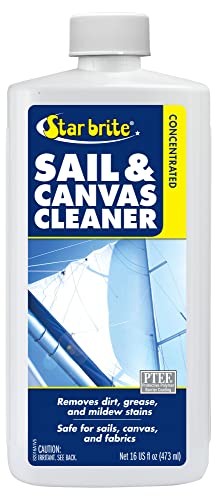
STAR BRITE Concentrated Sail & Canvas Cleaner - Specially Formulated for All Natural & Synthetic Fabrics - Deep Cleans, Protects, Deodorizes - 16 Oz Concentrate Makes 64 OZ of Cleaner (082016)
Check price on Amazon
Shoe Cleaner, No-Rinse Deep-Cleaning Foam, Revives White Sneaker Fast | 6.76 oz Shoe Cleaning Kit with Soft Brush and Microfiber Towel for Leather, Canvas, Mesh, Knit and Rubber & More
Check price on Amazon
Jevvu Shoe Cleaner, 6.76fl.oz Sneaker Cleaner Foam for Removing Stains and Dirt, Shoe Cleaning Kit for White Shoes, Leather, Knit, Boots, Canvas, Fabric, Tennis
Check price on Amazon
BFWood Laundry Stain Brush, Natural Soft Boar Bristles, Removes Tough Stains from Delicate Fabrics Like Knits, Cotton, and Linens, Gentle on Fabrics, No Damage
Check price on Amazon
Tarrago Fabric Cleaner for Microfiber and Canvas bags, shoes, boots, & More- With Applicator 2.45oz
Check price on Amazon