
Slip Resistant Shoes: The Complete Guide to Safety & Traction
Discover how slip resistant footwear prevents workplace accidents. Learn about outsole compounds, tread patterns, safety ratings, and how to select the right pair for your environment.
SHOP SLIP RESISTANT SHOESWhy Slip Resistance Matters: According to workplace safety data, slips, trips, and falls account for a significant portion of industrial injuries. The right slip resistant shoes are not just a comfort choice—they are a critical piece of personal protective equipment that can prevent serious accidents.
What Are Slip Resistant Shoes?
Slip resistant shoes are footwear engineered with specialized outsoles that maximize friction between the shoe and the walking surface. Unlike standard footwear, which may use hard rubber or plastic compounds, slip resistant shoes utilize softer, more pliable rubber blends that grip wet, oily, or contaminated floors.
The key difference lies in the outsole design. A true slip resistant shoe features a tread pattern with deep grooves and channels that actively push liquids away from the contact area, allowing the rubber to maintain direct contact with the floor surface. This is why rubber sole shoes are often the foundation of slip resistant designs.
It is important to understand that slip resistance is not a binary feature. Different shoes offer varying levels of traction depending on the specific compounds and patterns used. If you are exploring broader footwear categories, our shoe categories overview provides context on where slip resistant models fit within the wider market.
The Science Behind Slip Resistance
Slip resistance is measured by the coefficient of friction (COF) between the shoe outsole and the floor surface. A higher COF indicates greater resistance to slipping. Testing standards such as ASTM F2913 and SATRA TM144 evaluate footwear under both dry and contaminated conditions.
Three factors determine a shoe's slip resistance:
- Outsole Material: Soft rubber compounds with high natural gum content provide superior grip. Gum sole shoes are a classic example of this principle in action.
- Tread Pattern: Directional grooves, siping (small slits), and open channels prevent hydroplaning by allowing liquids to escape.
- Surface Contact Area: A broader, flatter contact patch increases friction, though it must be balanced with flexibility for natural movement.
For environments where both slip resistance and electrical safety are concerns, safety shoes with specialized outsoles offer comprehensive protection.
Types of Slip Resistant Shoes by Work Environment
Not all slip resistant shoes are created equal. The ideal choice depends heavily on the specific hazards of your workplace.
1. Kitchen & Food Service
Kitchen floors present a combination of water, grease, and oils. Shoes for this environment need aggressive tread patterns with wide channels and rubber compounds resistant to oil degradation. Work shoes designed for culinary settings often feature sealed seams and easy-to-clean materials.
2. Healthcare & Hospitals
Medical environments require slip resistance on wet floors combined with quiet soles and often electrical hazard protection. Slip-on shoes are popular in healthcare for their convenience and clean appearance.
3. Industrial & Manufacturing
Factories and warehouses may have oil, coolant, or metal shavings on the floor. Here, slip resistance must be paired with abrasion-resistant shoes properties and often reinforced toe shoes for impact protection.
4. Outdoor & Construction
Wet mud, gravel, and uneven terrain demand deep lug patterns and durable construction. Water-resistant shoes are essential in these conditions to keep feet dry and maintain traction.
Key Features to Look For in Slip Resistant Shoes
When evaluating slip resistant footwear, prioritize these features:
- ASTM F2913 Certification: This standard specifically tests footwear slip resistance on wet and contaminated surfaces. Look for this rating on product specifications.
- Oil-Resistant Outsole: Rubber compounds that resist swelling and degradation when exposed to oils and grease maintain their grip longer.
- Self-Cleaning Tread: Tread patterns that shed debris as you walk prevent buildup that reduces traction.
- Comfort & Support: A slip resistant shoe is only effective if you can wear it all day. Features like cushioned shoes midsoles and arch support footwear reduce fatigue.
- Proper Fit: An ill-fitting shoe can cause instability. Consult our fit and sizing hub to ensure you select the correct size, especially if you need wide width shoes.
Materials & Construction That Enhance Slip Resistance
The materials used in slip resistant footwear directly impact performance and longevity.
Outsole Compounds: Nitrile rubber, natural gum rubber, and specialized thermoplastic rubber (TPR) blends offer the best wet traction. Avoid shoes with hard, shiny plastic soles. For more on sole construction, see our material and build hub.
Upper Materials: While the upper does not directly affect slip resistance, it influences comfort and durability. Leather shoes offer durability and water resistance, while mesh shoes provide breathability for hot environments.
Construction Methods: Cemented shoes are common in slip resistant designs because the construction allows for a variety of outsole shapes. Welted construction shoes offer superior durability and can be resoled, extending the life of the slip resistant feature.
Maintaining Slip Resistance Over Time
Slip resistance degrades as outsoles wear down and treads become clogged. Regular maintenance is essential:
- Clean Treads Regularly: Remove embedded debris with a stiff brush. Our guide to rubber shoe wash provides step-by-step instructions.
- Inspect for Wear: Replace shoes when tread depth is less than 2mm or when smooth patches appear.
- Address Odor & Moisture: Wet interiors can compromise foot health. Explore odor control and moisture control solutions.
- Consider Resoling: High-quality shoes can be resoled through sole replacement, restoring slip resistance at a fraction of the cost of new footwear.
- Protect When Not in Use: Use shoe storage covers to prevent dust and UV damage that can degrade rubber compounds.
For comprehensive care techniques, visit our shoe care and repair hub.
How to Choose the Best Slip Resistant Shoes for Your Needs
Follow this decision framework to select the right pair:
- Identify Your Hazard: Is the primary risk water, oil, grease, or a combination? Match the outsole compound to the hazard.
- Verify Certification: Look for ASTM F2913 or equivalent safety ratings. Do not rely on marketing claims alone.
- Prioritize Fit: Use our fit measurement guide and check international size chart if ordering online. Consider half size guide if you are between sizes.
- Consider Comfort Features: Breathable shoes and lightweight shoes reduce fatigue during long shifts.
- Evaluate Durability: Compare long-lasting shoes options and read our durability comparison to make a cost-effective choice.
- Check Value: Our best value guide and budget-friendly shoes resources help you balance cost and performance.
Recommended Slip Resistant Shoes
⚠️ AFFILIATE DISCLOSURE: This website contains affiliate links. As an affiliate Associate, we earn from qualifying purchases. If you make a purchase through these links, we may receive a small commission at no additional cost to you. Read our full affiliate policy.

IQYNAM Slip Resistant Work Shoes for Men Women Tennis Workout Gym Black 12 | Breathable,Comfortable,Slip on Sneakers,Running,Athletic,Sport,Walking,Standing,Zapatos,Unisex
Check price on Amazon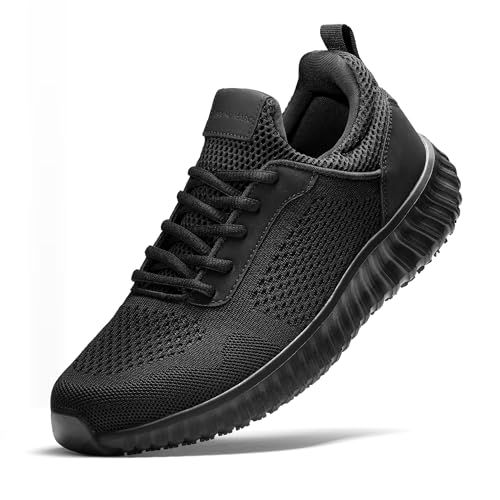
Bruno Marc Men's Non Slip Work Shoes,Black,11 | Walking Slip Resistance Food Service Chef Kitchen Restaurant Sneakers Comfortable Lightweight
Check price on Amazon
Skechers Women's Work Squad Sr Food Service Shoe, Black, 7.5
Check price on Amazon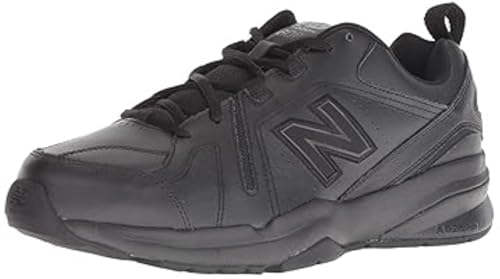
New Balance Men's 608 V5 Casual Comfort Cross Trainer, Black/Black, 9.5
Check price on Amazon
Brooks Men’s Ghost Max Slip Resistant Shoe - Black/Black - 10.5 Medium
Check price on Amazon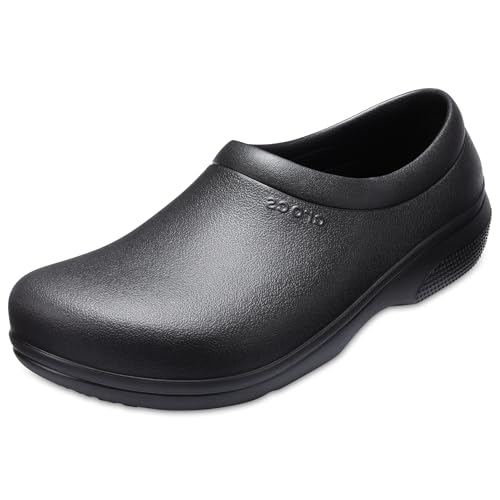
Crocs Unisex-Adult On The Clock Work Clog, Black, 10 Women/8 Men | All Day Comfort at Work, Slip Resistant, Healthcare, Hospitality, Food Service Workers, Easy to Wipe Clean, ASTM Certified
Check price on Amazon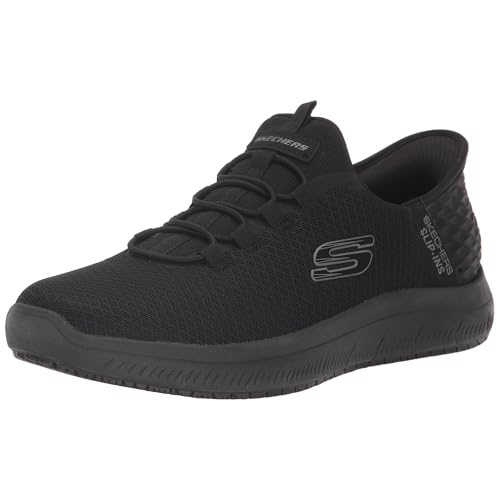
Skechers Men's Summits Colsin Sr Hands Free Slip -Ins, BBK, 12
Check price on AmazonCommon Mistakes When Buying Slip Resistant Shoes
Even experienced buyers make these errors:
- Assuming All "Non-Slip" Shoes Are Equal: Marketing terms like "non-slip" are unregulated. Always check for specific safety certifications.
- Ignoring the Specific Hazard: A shoe that excels on wet ceramic tile may fail on oily concrete. Match the shoe to the environment.
- Neglecting Replacement: Slip resistance diminishes with wear. Set a replacement schedule based on usage intensity.
- Overlooking Comfort: Discomfort leads to fatigue, which increases accident risk. Prioritize padded collar shoes and proper support.
- Skipping Break-In: New shoes need time to adapt. Follow our break-in guide to avoid blisters and discomfort.
Understanding Slip Resistance Safety Standards
Several standards govern slip resistant footwear globally. The most common in the United States is ASTM F2913, which tests footwear on a variety of contaminated surfaces. In Europe, EN ISO 20345 includes slip resistance as a required safety feature for certain classifications.
When shopping, look for explicit mention of these standards in product descriptions. If you also need impact protection, explore steel toe shoes and composite toe shoes, which can be combined with slip resistant outsoles.
Frequently Asked Questions
What makes a shoe slip resistant?
A slip resistant shoe features an outsole made from specialized rubber compounds with a tread pattern designed to channel liquids away from the contact surface, maximizing friction on wet or oily floors.
Are slip resistant shoes the same as safety shoes?
Not necessarily. Slip resistance is one specific feature. Safety shoes may include slip resistance plus additional protection like steel toes, metatarsal guards, or electrical hazard resistance.
How long do slip resistant shoes last?
With daily wear in demanding environments, quality slip resistant shoes typically last 6 to 12 months before the outsole tread wears down and traction performance decreases. Rotating between two pairs can extend overall lifespan.
Can I use slip resistant shoes for running?
While some running shoes offer enhanced traction, they are not designed for the specific hazards of workplace slip resistance. Dedicated slip resistant shoes prioritize traction over the cushioning and energy return needed for running.
Final Thoughts: Investing in Safety & Comfort
Slip resistant shoes are a critical investment for anyone working in environments where floors may be wet, oily, or contaminated. By understanding outsole materials, tread patterns, and safety certifications, you can select footwear that protects you without compromising comfort.
Remember to maintain your shoes properly, replace them when tread wears down, and prioritize fit above all else. A slip resistant shoe that does not fit correctly can actually increase accident risk by causing instability.
For more guidance on building a complete footwear collection, explore our shopping and reviews hub and first shoe checklist. Your safety and comfort are worth the investment.