
Injection Molded Shoes: Complete Guide to Durable Footwear
Discover why injection molded construction is the gold standard for durable, waterproof, and cost-effective footwear. Learn how this technology shapes the shoes you rely on every day.
EXPLORE SHOE CATEGORIESShoesTruth Philosophy: We believe that understanding how your shoes are made is the first step to buying the right pair. Injection molded footwear offers a unique blend of durability, comfort, and value that makes it a top choice for work, safety, and everyday wear.
What Are Injection Molded Shoes?
Injection molded shoes are a type of footwear where the sole is directly bonded to the upper using a high-pressure injection molding process. In this method, molten plastic or rubber is injected into a mold that contains the shoe upper, creating a permanent, seamless bond between the sole and the upper. This is in stark contrast to traditional cemented shoes, where the sole is glued on, or stitched shoes, where the sole is sewn.
This manufacturing technique is widely used for work shoes, safety shoes, and many types of casual and outdoor footwear. The result is a shoe that is incredibly durable, water-resistant, and often more affordable than its traditionally constructed counterparts. If you're looking for footwear that can withstand tough conditions without breaking the bank, injection molded shoes are an excellent choice. You can learn more about different construction methods in our Material & Build hub.
How the Injection Molding Process Works
The injection molding process is a marvel of modern manufacturing. Here’s a simplified breakdown of how it works:
- Preparation: The shoe upper (the part that covers your foot) is placed over a last (a foot-shaped mold) and secured into a larger mold cavity.
- Injection: Molten thermoplastic or rubber is injected at high pressure into the mold cavity, filling the space around the bottom of the upper to form the sole.
- Bonding: As the material cools and solidifies, it creates a strong, permanent mechanical and chemical bond with the upper. This bond is often stronger than the materials themselves.
- Finishing: The completed shoe is removed from the mold and undergoes finishing touches like trimming, adding insoles, and lacing.
This process allows for precise control over the sole's shape, density, and tread pattern. It also enables the use of different materials for different parts of the sole, such as a rigid rubber sole for traction and a softer EVA sole for cushioning.
Key Benefits of Injection Molded Footwear
Advantages
- Exceptional Durability: The sole and upper are bonded at a molecular level, making separation nearly impossible. This is why they are a top choice for long-lasting shoes.
- Water Resistance: The seamless bond creates a waterproof barrier, keeping your feet dry in wet conditions. Many are also treated to be water-resistant.
- Cost-Effective: The process is highly automated and efficient, reducing labor costs and making the final product more affordable for consumers.
- Lightweight: Materials like EVA and polyurethane are lightweight, making these shoes comfortable for all-day wear. Look for them in our lightweight shoes section.
- Shock Absorption: The molded sole can be designed with complex cushioning systems that absorb impact, which is great for cushioned shoes.
- Design Flexibility: Complex shapes, textures, and multi-density soles are easy to create, leading to innovative designs in sneakers and training shoes.
Limitations
- Less Breathability: The materials used are often non-porous, which can lead to sweaty feet. This is less of an issue in breathable shoes designed with mesh uppers.
- Limited Repairability: Because the sole is permanently bonded, it cannot be easily replaced. This makes sole replacement difficult or impossible.
- Aesthetic Limitations: While improving, injection molded shoes can sometimes look less refined than traditional leather shoes or welted construction shoes.
- Environmental Impact: The process uses significant energy and plastics, though many brands are now using recycled materials.
Common Types of Injection Molded Shoes
Injection molding is used across a wide spectrum of footwear. Here are some of the most common categories where you'll find this construction method:
- Work & Safety Shoes: This is the most prominent category. The durability and water resistance are essential for jobsites. You'll find many steel toe shoes and composite toe shoes made this way. They are also often slip-resistant.
- Casual Sneakers: Many everyday sneakers and canvas shoes use injection molding for the sole, providing a comfortable and durable base.
- Clogs & Mules: The classic clog is a prime example of injection molding, often made from a single piece of EVA or rubber.
- Outdoor & Hiking Footwear: The rugged soles needed for trails are frequently injection molded for superior grip and durability.
- Kids' Shoes: The durability and low cost make them ideal for children's footwear. Check our kids shoe sizes guide for more.
Injection Molded vs. Other Construction Methods
| Feature | Injection Molded | Cemented | Welted (Goodyear) |
|---|---|---|---|
| Durability | Excellent (permanent bond) | Good (glue can fail) | Excellent (stitched, repairable) |
| Water Resistance | Excellent (seamless) | Moderate | Good (if maintained) |
| Repairability | Poor | Moderate | Excellent |
| Cost | Low to Moderate | Low to Moderate | High |
| Breathability | Low (depends on upper) | Moderate | High (leather) |
| Typical Use | Work, Safety, Casual | Casual, Dress | Dress, Formal |
Price Guide for Injection Molded Shoes
Injection molded shoes are generally very affordable. Here’s a rough idea of what you can expect to pay:
- Basic Casual/Clogs: $20–$50
- Everyday Sneakers: $40–$100
- Work & Safety Shoes: $60–$150
- Premium Outdoor/Hiking: $100–$200
For a deeper dive into getting the best value, read our Best Value Guide.
What to Look For When Buying
When shopping for injection molded shoes, keep these factors in mind to ensure you get the best pair for your needs:
- Fit is Crucial: Since the sole is rigid, a proper fit is essential. Refer to our Fit & Sizing hub and consider your arch support needs.
- Intended Use: Are you buying for a construction site or a weekend walk? For work, prioritize safety features. For casual wear, focus on comfort and style.
- Upper Material: The upper dictates breathability and comfort. Look for mesh shoes or knit shoes for better airflow.
- Insole Quality: A good insole can make or break comfort. Look for cushioned shoes with removable insoles, which can be replaced with custom orthotics. You can learn more in our insole replacement guide.
- Safety Standards: If for work, ensure they meet the necessary safety certifications. This is non-negotiable for safety shoes.
Caring for Your Injection Molded Shoes
While incredibly durable, injection molded shoes still benefit from proper care. The good news is that they are generally very easy to clean and maintain.
- Cleaning: Most can be cleaned with warm water, mild soap, and a soft brush. For specific instructions, see our guides on rubber shoe wash and mesh cleaning.
- Odor Control: Because they can be less breathable, odor can be an issue. Use our odor control tips and consider shoe deodorizing products.
- Moisture Management: Allow them to dry completely between wears. Our moisture control guide has more tips.
- Protection: While water-resistant, you can enhance their protection with a shoe guard spray or stain guard.
- Storage: Keep them in a cool, dry place. Use shoe storage covers to protect them from dust.
For a complete overview of shoe maintenance, visit our Shoe Care & Repair hub.
Recommended Injection Molded Shoes
⚠️ AFFILIATE DISCLOSURE: This website contains affiliate links. As an affiliate Associate, we earn from qualifying purchases. If you make a purchase through these links, we may receive a small commission at no additional cost to you. Read our full affiliate policy.

Neat Feet Boot Brush & Boot Scraper | Mountable Shoe Cleaner w/Screws, Injection Molded Plastic Mud Scrubber for Work Boots, Hiking & Outdoor Footwear, Weather-Resistant for Garage, Porch & Entryway
Check price on Amazon
Tingley Profile 51154 Plain Toe Knee Boot, Mens 6 / Womens 8, Brown/Crepe | Dark Brown Upper/Beige Outsole, Injection molded seamless construction is 100% liquidproof
Check price on Amazon
TINGLEY 35141 Workbrutes 14-Inch Height PVC Overshoe Work Boot | Cleated outsole, Chemical Resistant, Small (Men's 6.5 - 8 / Women's 8.5 - 10), Injection molded
Check price on Amazon
Giro Stylus Men's Road Cycling Shoe, Black, US 9.5 / EU 43
Check price on Amazon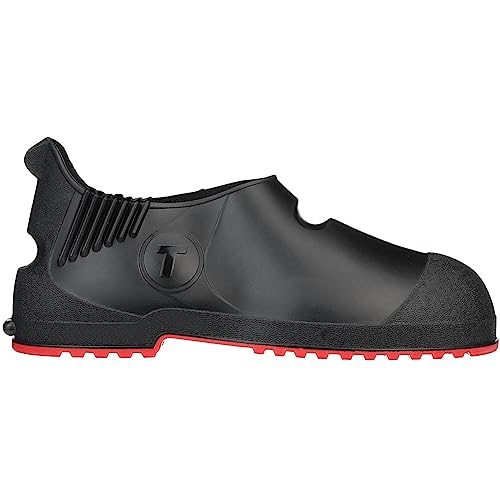
Tingley 45811.XS Workbrutes G2 Overshoe, XS, Black/Red
Check price on Amazon
Tingley 45850.XL Workbrutes G2 17-Inch Overshoe Work Boot, XL, Black | Unique thumb pocket, No-slip grip for easy donning, Injection molded
Check price on Amazon
TINGLEY mens Rubber Workboot Rain Boot, Black, 12 US | Injection molded construction for 100% waterproof protection, 15-inch height
Check price on Amazon
HAZPROOF BOOTS 82330-13
Check price on AmazonFinal Thoughts: Are Injection Molded Shoes Right for You?
Injection molded shoes are a fantastic choice for anyone who prioritizes durability, water resistance, and value. They are the workhorses of the footwear world, excelling in environments where toughness is paramount. If you're in the market for reliable work shoes, dependable safety shoes, or simply a comfortable and long-lasting pair of everyday sneakers, injection molded footwear deserves a top spot on your list.
While they may lack the breathability of a fine leather shoe or the repairability of a welted boot, they more than make up for it with their ruggedness and affordability. By understanding the construction, benefits, and limitations, you can make an informed decision and find the perfect pair for your needs. For more guidance on making your next purchase, explore our Shopping & Reviews hub.