Price to Quality: The Smart Shopper's Guide to Footwear Value
Understand what you're really paying for. Learn how to evaluate shoes based on materials, construction, and long-term value — so every dollar you spend is a step toward better footwear.
START YOUR VALUE JOURNEYThe Core Truth: A higher price tag doesn't automatically mean better quality — and a lower price doesn't always mean poor value. True value lies in the balance between what you pay and what you get in return: durability, comfort, versatility, and craftsmanship. This guide will help you decode that balance.
Why Price-to-Quality Matters More Than Ever
In today's footwear market, consumers are bombarded with options ranging from budget-friendly $40 sneakers to luxury $2,500+ dress shoes. The assumption that "you get what you pay for" is often true — but not always. Some affordable shoes outperform their price point, while some expensive pairs underdeliver on durability and comfort.
Understanding the price-to-quality relationship empowers you to make informed decisions. Whether you're building a capsule wardrobe or searching for the perfect dress shoes, knowing where your money goes helps you avoid overpaying for branding and underpaying for essentials.
This guide breaks down the factors that influence shoe pricing, how to assess quality objectively, and how to calculate the true cost of ownership. By the end, you'll be equipped to spot genuine value — whether you're shopping for hiking shoes, sneakers, or orthopedic shoes.
What Actually Drives Shoe Prices?
1. Materials: The Foundation of Quality
The materials used in a shoe's upper, lining, insole, and sole account for a significant portion of its cost. Full-grain leather, for example, is more expensive than synthetic leather because it's more durable, breathes better, and develops a unique patina over time. Similarly, Vibram outsoles command a premium due to their superior traction and longevity.
- Premium Materials: Full-grain leather, suede, genuine shearling, cork insoles, Vibram or Dainite soles. These add cost but often extend the shoe's lifespan dramatically.
- Mid-Tier Materials: Split-grain leather, quality synthetics, EVA foam, rubber outsoles. These offer a balance of performance and affordability.
- Budget Materials: Bonded leather, cheap plastics, low-density foam. These reduce cost but often compromise breathability, comfort, and durability.
For a deeper dive into how materials impact performance, explore our durability comparison guide.
2. Construction: The Hidden Cost
How a shoe is put together matters as much as what it's made of. Welted construction (Goodyear, Blake, or hand-welted) is more labor-intensive and expensive than cemented construction, but it allows for resoling — dramatically extending the shoe's life. Cemented shoes, common in budget footwear, are glued together and often can't be repaired once the sole wears out.
If longevity is your priority, welted shoes often deliver better long-term value despite a higher upfront cost. This is especially relevant for men's shoes and loafers for women where classic styles benefit from resoling.
3. Brand Positioning and Marketing
A portion of every shoe's price goes toward branding, marketing, and retail overhead. Luxury brands like Gucci or Prada charge a premium for exclusivity and status. Performance brands like Nike or Adidas invest heavily in R&D and athlete endorsements. Understanding this helps you separate genuine quality from marketing hype.
That said, some premium brands do deliver exceptional quality. The key is to evaluate each shoe on its own merits — not just the logo on the box. Our designer shoes guide explores this balance further.
4. Labor and Manufacturing Location
Shoes made in countries with higher labor costs (e.g., Italy, Portugal, USA) typically cost more than those made in lower-cost regions. However, "Made in Italy" doesn't automatically guarantee superior quality — it's a signal, not a guarantee. What matters more is the brand's quality control and commitment to craftsmanship.
Price Tiers: What to Expect at Each Level
Below is a general breakdown of what you can expect at different price points. Keep in mind that sales, seasonality, and brand positioning can shift these ranges.
| Price Tier | Typical Materials | Construction | Expected Lifespan |
|---|---|---|---|
| $40 – $100 | Bonded leather, synthetics, basic mesh | Cemented, glued | 6–18 months |
| $100 – $250 | Split-grain leather, quality synthetics, EVA | Cemented, some stitched | 1–3 years |
| $250 – $600 | Full-grain leather, suede, cork, Vibram | Blake stitch, Goodyear welt | 3–7 years (resolable) |
| $600 – $1,500 | Premium full-grain, shell cordovan, hand-finished | Goodyear welt, hand-welted | 5–15+ years (resolable) |
| $1,500 – $2,500+ | Exotic leathers, bespoke craftsmanship | Hand-welted, bespoke | 10–20+ years |
For most people, the $100–$300 range offers the best balance of quality and affordability for everyday wear. If you're looking for walking shoes for women or men's running shoes, this tier typically delivers excellent performance.
The Cost-Per-Wear Formula: True Value Revealed
One of the most powerful tools for evaluating price-to-quality is the cost-per-wear (CPW) calculation. Instead of looking at the upfront price, you divide it by the number of times you'll wear the shoe.
Formula: Cost Per Wear = Total Price ÷ Estimated Number of Wears
Example: A $300 pair of loafers worn 150 times per year for 3 years = 450 wears. $300 ÷ 450 = $0.67 per wear. A $60 pair of cheap shoes worn 50 times before falling apart = $1.20 per wear. The more expensive shoe is actually the better value.
This is why investing in quality footwear often pays off — especially for items you wear frequently, like everyday shoe looks or workwear shoe looks.
💡 Pro Tip: When calculating CPW, factor in potential repair costs. A resolable shoe might cost $80 to resole every 2–3 years, but that's still far cheaper than replacing a glued shoe every year.
How to Spot Quality Before You Buy
In-Person Inspection Checklist
- Leather Check: Press the leather — it should crease naturally, not crack or flake. Full-grain leather feels supple and has visible pores.
- Stitching: Look for tight, even stitching. Loose or uneven stitches indicate poor quality control.
- Sole Attachment: Check if the sole is stitched (good) or glued (less durable). A welted sole is the gold standard.
- Insole: A removable, cushioned insole is a good sign. Leather insoles mold to your feet over time.
- Heel Counter: A firm heel counter provides stability. If it collapses easily, the shoe may not offer enough support.
- Weight: Quality shoes often have a substantial feel. Extremely lightweight shoes may skimp on materials — though this isn't always true for performance footwear like lightweight running shoes.
For a more detailed breakdown of comfort and support features, see our ergonomic guide.
Online Shopping Strategies
When buying online, you can't physically inspect the shoe. Instead, rely on:
- Detailed Reviews: Look for reviews that mention durability after months of wear, not just initial impressions.
- Material Specs: Check the product description for specific materials (e.g., "full-grain leather" vs. "genuine leather" — the latter is often lower quality).
- Return Policy: A generous return policy reduces risk. Some brands offer free returns, allowing you to test the fit and feel.
- Brand Reputation: Research the brand's track record. Our top rated shoes and editor's picks sections can help.
Red Flags: When Price Doesn't Match Quality
Watch out for these warning signs that indicate poor value:
- "Genuine Leather" at a Very Low Price: This term often refers to bonded leather (leather scraps glued together), which is far less durable than full-grain.
- No Resole Option: If the sole is glued and the brand doesn't offer repairs, the shoe is disposable.
- Vague Descriptions: Phrases like "premium materials" without specifics are often marketing fluff.
- Extremely Lightweight at a High Price: Unless it's a technical performance shoe, excessive lightness may indicate cheap materials.
- No Warranty or Guarantee: Quality brands stand behind their products.
If you're unsure, start with our user favorites or trending now lists for crowd-vetted options.
Price-to-Quality by Shoe Category
Running and Athletic Shoes
Running shoes typically have a shorter lifespan (300–500 miles) due to foam degradation. The sweet spot for value is often $120–$180. Shoes above $200 may offer marginal performance gains but aren't necessary for most runners. For trail running, expect to pay slightly more for durability. Check our trail running shoes and stability running shoes guides.
Dress Shoes and Formal Footwear
This is where price-to-quality is most pronounced. A $100 glued dress shoe may last a year, while a $300 Goodyear-welted shoe can last a decade with proper care. For wedding shoes or bridal shoes, investing in quality ensures comfort throughout a long day. Explore our dressy shoe outfits for styling inspiration.
Casual Sneakers and Everyday Wear
Casual sneakers like white sneakers or sneakers for women vary widely in quality. The $80–$150 range often offers the best balance. Premium leather sneakers ($200–$400) can be worth it if they're resolable and use high-quality materials.
Boots and Outdoor Footwear
Boots are an investment. A $200–$400 pair of Goodyear-welted boots can last 10+ years with resoling. For hiking shoes, prioritize traction and waterproofing — expect to pay $150–$300. Our outdoor shoe looks guide can help you style them.
Sandals, Slippers, and Seasonal
For sandals and slippers, quality matters for comfort and durability. Leather sandals ($80–$200) often outperform cheap synthetic ones. For men's slippers and women's slippers, look for genuine shearling or memory foam — they're worth the extra cost.
Smart Buying Strategies for Maximum Value
- Buy Off-Season: Purchase platform sandals in winter and boots in summer for significant discounts.
- Check Sales and Outlets: Previous-season models are often just as good as current ones. Our new arrivals section can help you spot trends, but don't overlook last year's styles.
- Invest in Classics: Timeless styles like loafers, Oxford shoes, and ballet flats rarely go out of style, making them better long-term investments.
- Prioritize Fit: A well-fitting shoe is worn more often, lowering cost per wear. Use our fit measurement guide to get it right.
- Consider Resoling: Shoes with welted construction can be repaired, extending their life. This is especially valuable for men's shoes and shoes for women.
- Read Our Comparisons: Our durability comparison and performance guide offer side-by-side insights.
Frequently Asked Questions
Is it worth spending more than $200 on shoes?
It depends on the category. For dress shoes and boots, yes — the difference in materials and construction is substantial. For running shoes, diminishing returns kick in after $180. For casual sneakers, $150–$250 often hits the sweet spot.
How can I tell if a shoe is good quality online?
Look for specific material descriptions (full-grain leather, Vibram soles), detailed customer reviews mentioning durability, and a generous return policy. Avoid vague terms like "premium materials."
Are expensive shoes always better?
No. Brand name and price don't guarantee quality. Some mid-range brands offer excellent value, while some luxury brands rely on marketing. Evaluate each shoe on its materials, construction, and fit.
What is cost-per-wear and why does it matter?
Cost-per-wear divides the price by the number of times you wear the shoe. It reveals the true value — a $300 shoe worn 500 times costs $0.60 per wear, while a $60 shoe worn 50 times costs $1.20 per wear.
Which shoe categories offer the best value?
Dress shoes and boots with welted construction offer the best long-term value due to resoling. Running shoes offer good value in the $120–$180 range. Casual sneakers in the $80–$150 range are often the sweet spot.
Final Thoughts: Value Is Personal
Price-to-quality isn't about finding the cheapest or most expensive shoe — it's about finding the shoe that delivers the most value for you. A $500 boot might be overkill for someone who wears boots twice a year, but a smart investment for someone who wears them daily.
Use this guide as a framework, not a rulebook. Consider your lifestyle, your budget, and your priorities. And remember: the best shoe is the one that fits well, feels comfortable, and brings you joy every time you wear it.
Ready to explore? Start with our shoes starter hub or dive into specific categories like arch support explained and heel cushions for comfort-focused choices.
Best Value Shoes: Top Picks for Price-to-Quality
⚠️ AFFILIATE DISCLOSURE: This website contains affiliate links. As an affiliate Associate, we earn from qualifying purchases. If you make a purchase through these links, we may receive a small commission at no additional cost to you. Read our full affiliate policy.
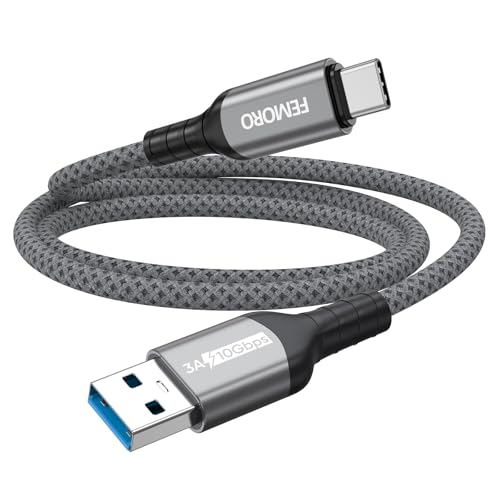
USB A to USB C Data Cable 3ft, 10Gbps High Speed Transfer & 3A Charging | USB 3.1/ 3.2 Type A to USBC Android Auto/CarPlay Cord for iPhone17/16/15 Galaxy Phones External SSDs Laptop Computer PC
Check price on Amazon
The Lean Six Sigma Pocket Toolbook: A Quick Reference Guide to 100 Tools for Improving Quality and Speed
Check price on Amazon
1400 PCS Colored Dot Stickers Round Color Coding Labels Classroom Must Haves, Circle Dots Labels Price Stickers Polka Circle Dot Stickers Label Stickers for Kids Office, Classroom Decor, Papers Etc
Check price on Amazon
2940 Pcs Matte Small White Labels Stickers Blank Labels Removable Price Tags Labels Stickers for Jars Boxes File Folders Envelopes School Office Kitchen (13 X 9 mm)
Check price on Amazon
Quality Investing: Owning the best companies for the long term
Check price on Amazon
Financial Shenanigans, Fourth Edition: How to Detect Accounting Gimmicks and Fraud in Financial Reports
Check price on Amazon
GILLRAJ® Price Tagging Gun【Not-a-Stitch-Gun】 Hangtag Attacher with 4000pcs 2" Long Barbs Fasteners & 6 Needles, Retail Pricing Tag Gun for Stores Consignment Garage Yard Sale
Check price on Amazon