
Training Shoes: The Ultimate Guide to Cross-Trainers & Gym Footwear
Whether you're lifting heavy, doing HIIT, or mastering functional fitness, the right training shoes provide the stability, grip, and support your workout demands. Learn how to choose the perfect pair for your training regimen.
SHOP TRAINING SHOESWhy Training Shoes Matter: Unlike running shoes, which prioritize forward motion and cushioning, training shoes are engineered for lateral movements, weight distribution, and ground feel. Wearing the wrong footwear can lead to instability, reduced performance, and even injury. This guide will help you understand the key features to look for.
Best Training Shoes for Gym, HIIT & CrossFit
⚠️ AFFILIATE DISCLOSURE: This website contains affiliate links. As an affiliate Associate, we earn from qualifying purchases. If you make a purchase through these links, we may receive a small commission at no additional cost to you. Read our full affiliate policy.
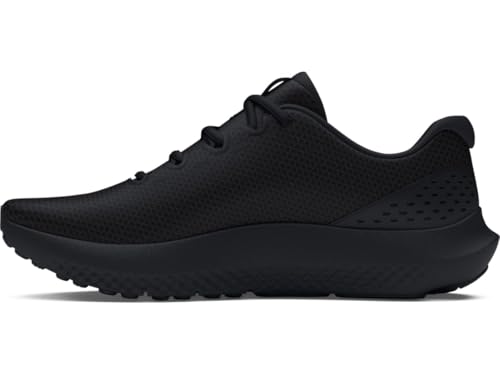
Under Armour Men's Charged Surge 4, 002 Black, 10.5
Check price on Amazon
Nike Men's Air Monarch IV Training/Workout Shoes, Dark Grey/Black, 11
Check price on Amazon
Under Armour Men's Charged Assert 10 Shoes, (002) Black/Black/Black, 9.5
Check price on Amazon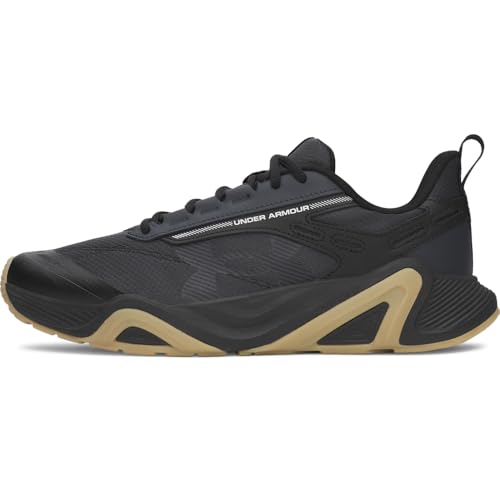
Under Armour Men's Charged Commit Trainer 5, 016 Gray, 12
Check price on Amazon
Brooks Men’s Adrenaline GTS 25 Supportive Running & Walking Shoe - Primer Grey/Ebony/Jasmin - 11 Medium
Check price on Amazon
New Balance Men's 608 V5 Casual Comfort Cross Trainer, White/Navy, 10.5 Wide
Check price on Amazon
Puma Mens Voltaic Evo Cross Trainer, Puma Mens Black-Stormy Slate-for All Time Red, 10
Check price on AmazonWhat Are Training Shoes and Why Do You Need Them?
Training shoes, often called cross-trainers, are designed to handle a wide variety of exercises. Unlike running shoes that are built for linear movement, training shoes excel in multi-directional activities. They provide a stable base for lifting, enough cushioning for jumping, and durable outsoles for rope climbs and sled pushes.
If your workout includes strength training, plyometrics, agility drills, or functional fitness, a dedicated pair of training shoes is essential. They differ from casual sneakers because they prioritize performance over fashion, though many modern designs blur the line between gym and street style.
Key Features to Look for in Training Shoes
Stability & Support
The foundation of any good training shoe is a stable base. Look for a firm heel and a wider platform to prevent rolling during lateral movements. Shoes with a TPU heel counter or a raised midsole provide extra stability for heavy lifts.
- Firm heel for lifting
- Wide base for lateral support
- TPU heel counters
Cushioning & Responsiveness
While you need stability, you also need enough cushioning for jumping and sprinting. Look for responsive foam that returns energy without feeling mushy. For heavy lifting, a firmer midsole is preferred; for HIIT, a slightly softer ride works better.
- Responsive foam for energy return
- Firm midsole for lifting
- Balanced cushioning for HIIT
Grip & Traction
A durable rubber outsole with a sticky grip is crucial for gym floors, turf, and outdoor surfaces. Look for multi-directional tread patterns that provide traction for both forward and lateral movements. This is especially important for slip-resistant shoes used in functional training.
- Sticky rubber outsole
- Multi-directional tread
- Durable for rope climbs
Breathability & Comfort
Training sessions can be intense. Breathable materials like mesh or knit uppers keep your feet cool and dry. A padded collar and tongue add comfort, while a secure lacing system ensures a locked-in fit. For those with specific foot shapes, consider wide width shoes or arch support footwear for added comfort.
- Breathable mesh or knit uppers
- Padded collar and tongue
- Secure lacing system
Types of Training Shoes: Which One Is Right for You?
Not all training shoes are created equal. Depending on your primary activity, you'll want to choose a shoe that matches your workout style.
| Type | Best For | Key Features | Price Range |
|---|---|---|---|
| Cross-Trainers | General fitness, gym workouts, light lifting, cardio | Balanced cushioning, stable base, versatile grip | $80–$150 |
| Weightlifting Shoes | Olympic lifting, powerlifting, heavy squats | Raised heel, firm sole, metatarsal strap | $100–$250 |
| HIIT & Functional Shoes | HIIT, CrossFit, plyometrics, agility training | Responsive cushioning, durable outsole, breathable upper | $90–$180 |
| Minimalist Training Shoes | Balance training, barefoot-style workouts, ground feel | Zero drop, flexible sole, wide toe box | $70–$130 |
How to Choose the Perfect Training Shoes
Choosing the right training shoes involves understanding your foot type, workout routine, and personal preferences. Here's a step-by-step approach:
1. Identify Your Primary Activity
Are you lifting heavy weights, doing CrossFit, or mostly cardio? If you lift heavy, prioritize stability. If you do HIIT, look for a balance of cushioning and stability. If you're into basketball or tennis, those sports have specific footwear needs.
2. Know Your Foot Type
Understanding your arch type is crucial. If you have flat feet, look for flat feet shoes with extra support. If you have high arches, consider high arch shoes with ample cushioning. A proper fit can prevent discomfort and injury.
3. Get the Right Fit
Training shoes should fit snugly but allow room for your toes to move. Always try shoes on later in the day when your feet are largest. Use our fit measurement guide to ensure accuracy. Consider half sizes if you're between sizes.
4. Consider Durability
Training shoes take a beating. Look for models with abrasion-resistant materials and reinforced stitching. If you train frequently, investing in a durable pair from our long-lasting shoes guide will save you money in the long run.
Ready to Upgrade Your Training Footwear?
Explore our top-rated training shoes and find the perfect pair for your fitness journey. Whether you're a beginner or a seasoned athlete, we've got you covered.
Browse Training ShoesTraining Shoe Care & Maintenance
To keep your training shoes performing at their best, proper care is essential. Regularly clean your shoes based on their material—whether it's mesh, knit, or synthetic. Use a stain guard to protect against dirt and sweat. For odor control, consider shoe deodorizing products and let your shoes air out after each workout.
If your insoles wear out, you can replace them using our insole replacement guide. For more comprehensive care, visit our shoe care and repair hub.
Frequently Asked Questions About Training Shoes
Can I use running shoes for training?
While you can, it's not ideal. Running shoes are designed for forward motion and have softer cushioning, which can be unstable for lateral movements and heavy lifting. Training shoes provide the stability and support needed for multi-directional activities. For running-specific needs, check our running shoes guide.
How often should I replace my training shoes?
It depends on how often you train. Generally, training shoes last between 6 to 12 months if used 3-4 times a week. Signs it's time to replace include worn-out outsoles, compressed cushioning, and discomfort during workouts. Our long-lasting shoes guide can help you find durable options.
Are training shoes good for walking?
Training shoes can be used for walking, but dedicated walking shoes are often more comfortable for long distances. Training shoes are designed for gym activities, so they may feel stiffer or less cushioned for extended walking.
What's the difference between training shoes and sneakers?
Training shoes are performance-focused, with features like stability, grip, and support for specific workouts. Sneakers are more about casual style and everyday wear. While some sneakers can be used for light exercise, they lack the specialized features of true training shoes.
Final Thoughts
Investing in the right training shoes is an investment in your performance and safety. Whether you're lifting, jumping, or sprinting, the right pair will provide the stability, comfort, and durability you need to reach your fitness goals. Explore our recommended training shoes above, and don't forget to check out our shopping and reviews hub for more buying advice.