
Reinforced Toe Shoes: Complete Guide to Protection & Durability
Everything you need to know about reinforced toe footwear — from safety standards and materials to comfort features and buying advice for work, industrial, and everyday use.
SHOP RECOMMENDED PAIRSWhy Reinforced Toe Shoes Matter: Whether you work in construction, manufacturing, warehousing, or simply want extra protection for your feet, reinforced toe shoes are a critical investment. They shield your toes from impact, compression, and punctures — preventing serious injuries that can change your life. This guide will help you understand the technology, choose the right type, and find the perfect pair for your needs.
What Are Reinforced Toe Shoes?
Reinforced toe shoes are footwear designed with an extra layer of protection over the toe box area. This reinforcement can take many forms — from a simple abrasion-resistant cap to a full safety toe that meets industry standards. Unlike standard shoes, reinforced toe footwear is engineered to withstand impacts, compression, and punctures that would otherwise injure your feet. These shoes are essential in environments where heavy objects, sharp materials, or rolling equipment pose a risk to your toes.
The concept of toe protection has evolved significantly. Modern reinforced toe shoes are no longer clunky, uncomfortable bricks. Today's options combine advanced materials like composite toe and alloy caps with athletic-inspired designs, making them suitable for all-day wear. Whether you need safety shoes for a construction site or work shoes for light industrial use, there's a reinforced toe option for you.
Types of Toe Protection: Steel, Composite, Alloy & More
Not all reinforced toe shoes are created equal. The type of toe cap you choose affects weight, comfort, conductivity, and protection level. Here's a breakdown of the most common options:
Steel Toe
The traditional choice. Steel toe caps offer excellent impact and compression resistance at an affordable price. They're incredibly durable and meet rigorous safety standards. However, they're heavier than alternatives and can conduct cold or electricity, making them less ideal for extreme temperatures or electrical work.
Composite Toe
Made from materials like carbon fiber, plastic, or Kevlar. Composite toes are lightweight, non-conductive, and don't transfer heat or cold. They're ideal for electrical work, airports, and anyone who wants a lighter shoe. They meet the same safety standards as steel but are typically more expensive.
Alloy Toe
A lighter alternative to steel, alloy toes are made from materials like aluminum or titanium. They're thinner than steel, providing more room in the toe box, and won't rust. They offer the same protection level but at a higher cost. Good for those who want steel-level protection without the weight.
Reinforced (Non-Safety) Toe
Not all reinforced toes are safety-rated. Some shoes feature a reinforced toe cap made of rubber, leather, or polymer for abrasion resistance and light impact protection. These are common in skate shoes and certain work shoes where full safety certification isn't required but extra durability is desired.
Understanding Safety Standards: ASTM, ANSI & EN ISO
When shopping for reinforced toe shoes, you'll encounter various safety certifications. Understanding these standards ensures you're getting the protection you need:
| Standard | Region | What It Covers |
|---|---|---|
| ASTM F2413 | USA | Impact (I) and Compression (C) resistance for toe caps. Ratings like I/75 and C/75 indicate protection up to 75 ft-lbs impact and 2,500 lbs compression. |
| ASTM F2412 | USA | Test methods for footwear protection. Often paired with F2413 to indicate compliance. |
| EN ISO 20345 | Europe | European standard for safety footwear. Ratings like S1, S2, S3 indicate increasing levels of protection and features. |
| CSA Z195 | Canada | Canadian standard for protective footwear. Includes ratings for toe protection, puncture resistance, and electrical shock resistance. |
Always check the label or product description for these certifications. If you're unsure which standard applies to your workplace, consult your employer's safety officer. For a broader look at safety footwear, explore our guide to safety shoes.
Key Features to Look For in Reinforced Toe Shoes
Beyond the toe cap itself, several features determine comfort, durability, and overall value. Here's what to prioritize:
- Fit and Sizing: Reinforced toe shoes fit differently than regular shoes. The toe box may feel roomier or stiffer. Always try before you buy, or check the brand's sizing guide. Our fit and sizing hub can help you get it right.
- Weight: Steel toes are heavy; composite and alloy are lighter. If you're on your feet all day, consider a lighter option like lightweight shoes with composite toe protection.
- Slip Resistance: Essential for workplaces with wet or oily floors. Look for shoes with slip-resistant ratings and deep tread patterns. See our guide to slip-resistant shoes for more.
- Puncture Resistance: Some reinforced toe shoes include a puncture-resistant plate in the sole. This protects against nails, glass, and other sharp objects.
- Comfort Features: Look for cushioned shoes with memory foam insoles, breathable shoes with moisture-wicking linings, and padded collar shoes to prevent blisters.
- Durability: Reinforced toe shoes should be built to last. Look for abrasion-resistant materials, stitched construction, and long-lasting soles.
- Water Resistance: If you work outdoors or in wet environments, consider water-resistant shoes or boots with reinforced toes.
Who Needs Reinforced Toe Shoes?
Reinforced toe shoes are not just for construction workers. Here are some of the professions and activities that benefit from toe protection:
Construction & Industrial
Heavy machinery, falling objects, and rolling equipment make toe protection mandatory on most job sites. Steel toe shoes and composite toe shoes are standard here.
Warehousing & Logistics
Forklifts, pallets, and heavy boxes pose constant risks. Reinforced toe shoes with slip resistance are essential for warehouse workers.
Landscaping & Agriculture
Working with tools, rocks, and heavy equipment means your toes need protection. Water-resistant reinforced toe boots are ideal.
Skateboarding & Extreme Sports
Skate shoes often feature reinforced toe caps for durability against grip tape and impact. These aren't safety-rated but offer extra abrasion resistance.
DIY & Home Improvement
Even weekend warriors benefit from reinforced toe shoes when moving furniture, using power tools, or doing yard work.
Healthcare & Hospitality
Some nurses, chefs, and service workers choose reinforced toe shoes for protection against dropped items and spills.
How to Choose the Right Reinforced Toe Shoes
Selecting the perfect pair involves balancing protection, comfort, and price. Here's a step-by-step approach:
- Assess Your Environment: Identify the specific hazards you face — impact, compression, punctures, electrical, or slips. This determines the safety rating you need.
- Determine Your Toe Cap Type: Steel for maximum durability and value, composite for lightweight and non-conductive, alloy for thinness and strength.
- Prioritize Comfort: You'll wear these shoes for hours. Look for cushioned insoles, breathable materials, and a proper fit. Consider arch support footwear if you have foot concerns.
- Check the Sole: Rubber sole shoes offer excellent grip. EVA sole shoes are lightweight and cushioned. Choose based on your terrain.
- Set a Budget: Reinforced toe shoes range from around $80 for basic models to $250+ for premium brands with advanced features. Our budget-friendly shoes guide can help you find value.
- Read Reviews: Check our shopping and reviews hub for insights on top-rated models and brand-free comparisons.
Price Guide: What to Expect
Typical Price Ranges (USD):
- Budget: $80–$120 — Basic steel toe work shoes, entry-level composite options.
- Mid-Range: $120–$180 — Better comfort features, reputable brands, improved durability.
- Premium: $180–$250+ — Top-tier materials, advanced comfort technology, specialized features (electrical hazard, metatarsal guards).
Prices vary by brand, features, and retailer. Always check for deals using our sales and deals guide.
Caring for Your Reinforced Toe Shoes
Proper maintenance extends the life of your investment and ensures continued protection. Here are essential care tips:
- Clean Regularly: Remove dirt and debris after each use. Different materials require different cleaning methods — see our guides for leather cleaning, canvas cleaning, and mesh cleaning.
- Protect Against Moisture: Use waterproofing sprays and shoe guard sprays to keep water out and extend material life.
- Control Odor: Use odor control products and shoe deodorizing techniques to keep your shoes fresh.
- Inspect for Damage: Regularly check the toe cap for cracks or separation. If the reinforcement is compromised, replace the shoes immediately.
- Replace Insoles: If your shoes have removable insoles, consider insole replacement for continued comfort.
- Store Properly: Use shoe storage covers and keep shoes in a dry, cool place away from direct sunlight.
Common Mistakes to Avoid When Buying Reinforced Toe Shoes
- Ignoring Fit: A loose or tight fit reduces protection and comfort. Always prioritize proper sizing over brand or style.
- Choosing Style Over Safety: Not all "reinforced toe" shoes are safety-rated. If you need certified protection, check the ASTM or EN ISO label.
- Overlooking Weight: Heavy shoes can cause fatigue. If you're on your feet all day, consider lighter composite or alloy options.
- Skipping Break-In: New reinforced toe shoes may need a break-in period. Wear them gradually to avoid blisters.
- Neglecting Maintenance: Even the toughest shoes need care. Regular cleaning and protection keep them performing longer.
Recommended Reinforced Toe Shoes
⚠️ AFFILIATE DISCLOSURE: This website contains affiliate links. As an affiliate Associate, we earn from qualifying purchases. If you make a purchase through these links, we may receive a small commission at no additional cost to you. Read our full affiliate policy.

Steel Toe Shoes for Men Women , Wide Black Women Size 12 / Men 10.5 | ASTM Safety Steel Toe, Kevlar Puncture-Proof, Breathable, Lightweight, Wide Fit, Walking, Construction, Industrial, Warehouse
Check price on Amazon
Steel Toe Shoes for Men and Women Comfy Work Safety Shoes, Black M13 | Comfortable, Lightweight, Puncture Proof, Slip Resistant, Indestructible Construction Work Utility Factory Warehouse Sneakers
Check price on Amazon
DRRHINO Steel Toe Shoes for Men Women Lightweight Safety Work Sneakers | ASTM Certificated Work Shoes, Width Option, Lightweight Comfortable Slip Resistant Safety Sneakers for Construction Jobs
Check price on Amazon
Skechers Men's Cankton Steel Toe Construction Shoe - Electrical Hazard Rated, Memory Foam, Black/Charcoal, 11
Check price on Amazon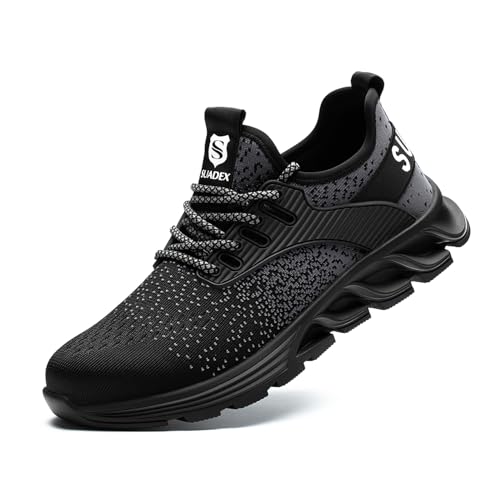
SUADEX Steel Toe Sneakers for Men Women Indestructible Work Safety Shoes Lightweight Comfortable Slip Resistant Composite Toe Black
Check price on Amazon
LARNMERN Slip On Steel Toe Shoes Men Loafers Work Safety Sneakers, Black 12 | Lightweight, Comfortable, Tennis, Hands Free, Walking, Lounging, House, Mechanic, Construction, Casual, Dress, 0utdoor
Check price on Amazon
BAIYIJIA Steel Toe Work Shoes for Men Lightweight Safety Shoes | Puncture Resistant, ASTM, Comfortable, Construction Industrial, Warehouse, Logistics, Factory, Workshop, Packing, Maintenance
Check price on Amazon
New Balance Cremorne Composite Toe Work Shoes for Men - Fresh Foam | Non-Slip Work Safety Shoes - ASTM F2413 - Comp Toe Lighter than Steel - Electrical Hazard - Black/Grey, Low Rise, Wide Fit
Check price on AmazonFinal Thoughts: Invest in Protection That Lasts
Reinforced toe shoes are more than just footwear — they're a critical piece of personal protective equipment. Whether you're on a construction site, in a warehouse, or working on a DIY project, the right pair can prevent painful and costly injuries. By understanding the different types of toe protection, safety standards, and comfort features, you can make an informed decision that balances protection, durability, and value.
Remember to consider your specific work environment, prioritize fit and comfort, and maintain your shoes properly. With the right reinforced toe shoes, you'll stay safe, comfortable, and productive all day long. For more guidance on building your footwear collection, explore our first shoe checklist and shoe categories overview.