
Odor Control for Shoes: Complete Guide to Fresh, Dry Feet
Stop embarrassing shoe odor for good. Learn proven odor control methods, moisture management, and anti-bacterial care to keep your footwear fresh all day.
Find Your SolutionWhy Shoe Odor Happens: Foot odor is not just a hygiene issue—it is a biological process. Your feet contain over 250,000 sweat glands, and when sweat mixes with bacteria in a dark, warm shoe environment, the result is odor. The good news: with the right odor control strategy, you can eliminate the problem at its source.
Understanding the Science of Shoe Odor
Before you can fix the problem, you need to understand what causes it. Shoe odor is the byproduct of bacteria breaking down sweat and dead skin cells. The primary culprits are Brevibacterium and Micrococcus—bacteria that thrive in moist, dark environments. When you wear breathable shoes, you allow air circulation that disrupts this process. But when you wear non-breathable materials, the bacteria multiply rapidly.
Moisture is the enemy. If your feet stay damp for hours, bacteria have a perfect breeding ground. This is why moisture control is the foundation of any effective odor strategy. Without managing sweat, no amount of deodorizing spray will solve the problem permanently.
Proven Odor Control Solutions
1. Moisture Management
Control sweat before it becomes a problem. Use moisture-wicking socks, rotate your shoes daily, and consider moisture control inserts. Materials like mesh shoes and knit shoes allow better airflow than leather or synthetic options.
- Change socks daily (or twice daily in summer)
- Use moisture-wicking socks (wool or synthetic blends)
- Rotate shoes—never wear the same pair two days in a row
- Remove insoles to dry overnight
2. Anti-Bacterial Care
Kill the bacteria that cause odor. Regular anti-bacterial care is essential. Use sprays, powders, or UV shoe sanitizers to eliminate bacteria inside your footwear. This step is especially important for work shoes and safety shoes that are worn for long hours.
- Apply anti-bacterial spray after each wear
- Use cedar shoe trees—they absorb moisture and inhibit bacteria
- Consider UV shoe sanitizers for deep cleaning
- Wash removable insoles regularly
3. Shoe Deodorizing
Neutralize existing odors with shoe deodorizing products. From charcoal bags to baking soda, there are many natural and commercial options. For leather shoes, use leather-safe deodorizers to avoid damage.
- Charcoal bags absorb odor overnight
- Baking soda sprinkled inside shoes absorbs moisture and odor
- Tea tree oil sprays provide natural anti-bacterial action
- Commercial shoe deodorizers are convenient and effective
4. Shoe Freshening
Maintain freshness with regular shoe freshening routines. This includes cleaning, drying, and storing your shoes properly. Use shoe storage covers to protect against dust and moisture when not in use.
- Clean shoes regularly with appropriate methods
- Use leather cleaning or canvas cleaning based on material
- Store in a cool, dry place
- Use shoe storage covers for long-term protection
Odor Control Methods Compared
Not all odor control methods are created equal. Here is a comparison of the most effective options based on cost, effort, and results.
| Method | Best For | Cost | Effectiveness |
|---|---|---|---|
| Moisture-Wicking Socks | Daily prevention | $15–$40 per pack | High |
| Anti-Bacterial Sprays | Quick treatment | $10–$25 | Medium-High |
| Cedar Shoe Trees | Leather & dress shoes | $20–$50 | High |
| Charcoal Bags | Overnight absorption | $10–$20 | Medium |
| UV Sanitizers | Deep sanitization | $40–$100 | Very High |
| Shoe Rotation | All footwear | Free | Very High |
Material Matters: Choosing Odor-Resistant Footwear
The material of your shoes plays a massive role in odor control. Breathable materials like mesh and knit allow air to circulate, reducing moisture buildup. Natural materials like leather and suede are naturally more resistant to bacteria than synthetic alternatives.
For athletic activities, choose running shoes or training shoes with engineered mesh uppers. For work, consider work shoes with moisture-wicking linings. If you need safety footwear, look for safety shoes with breathable membranes.
If you have specific foot conditions like flat feet or high arches, your footwear choices may affect airflow. Consult our fit and sizing hub for guidance on choosing the right shoes for your foot type.
Your Daily Odor Control Routine
Consistency is key. Here is a simple daily routine that takes less than five minutes but delivers powerful results:
Morning
- Apply anti-bacterial powder or spray to feet
- Put on fresh moisture-wicking socks
- Choose breathable footwear when possible
Evening
- Remove shoes immediately after use
- Take out insoles to dry
- Apply shoe deodorizing spray inside
- Insert cedar shoe trees or charcoal bags
Weekly
- Clean shoes using appropriate methods
- Wash removable insoles
- Check for moisture buildup in rarely-worn shoes
- Replace charcoal bags or refresh sprays
When to Seek Professional Help
If you have tried all odor control methods and the problem persists, it may be a medical issue. Conditions like hyperhidrosis (excessive sweating) or fungal infections require professional treatment. Consult a dermatologist or podiatrist if:
- Odor persists even with proper hygiene and shoe care
- You experience excessive sweating unrelated to heat or exercise
- You notice signs of fungal infection (itching, peeling, discoloration)
- Odor is accompanied by pain or discomfort
For more information on foot health and shoe care, explore our shoe care and repair hub.
Ready to Eliminate Shoe Odor for Good?
Our recommended odor control products are tested and proven to keep your footwear fresh. Browse our top picks below.
Shop Odor Control ProductsRecommended Odor Control Products
⚠️ AFFILIATE DISCLOSURE: This website contains affiliate links. As an affiliate Associate, we earn from qualifying purchases. If you make a purchase through these links, we may receive a small commission at no additional cost to you. Read our full affiliate policy.

Amazon Basics Gel Odor Eliminator, Activated Charcoal, Fragrance Free, 17 Oz, 1-Pack
Check price on Amazon
Activated Charcoal Odor Absorber for Strong Odors in Car, Closet, Shoe, Basement. 10 Activated Charcoal Bags Odor Absorbers for Home. Bamboo Charcoals Air Purifying Bag Charcoals Deodorizer Eliminator
Check price on Amazon
Zep ZUAIR32 Air and Fabric Odor Eliminator 32 oz
Check price on Amazon
Arm & Hammer Clean Burst Moisture Absorber and Odor Eliminator Tubs, 14 oz., 3 Pack, Attract and Trap Excess Moisture, Eliminate Musty Odors, Convenient and Effective
Check price on Amazon
ARM & HAMMER Fresh Effects Odor Neutralizing Baking Soda Pouches, 5 Count | Long-Lasting, Fragrance-Free, For Shoes, Cars, Small Spaces, Odor Absorber
Check price on Amazon
Zep Odor Control Concentrate 128 Ounce ZUOCC128 (1 Bottle), 1 Gallon Concentrate, No Scent
Check price on Amazon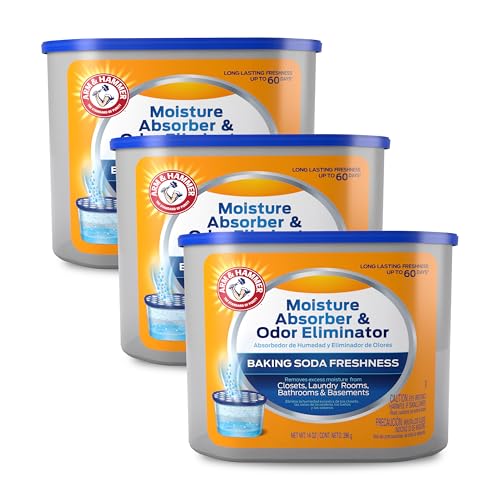
Arm & Hammer Fragrance Free Refillable Moisture Absorber and Odor Eliminator 14 oz. Tub
Check price on Amazon
Bright Air 14 oz. Super Odor Eliminator, For Medium-Size Spaces, Cool & Clean Scent, Case of 6,Air Freshener, Natural Essential Oils, Lasts Up to 90 Days Each
Check price on AmazonFrequently Asked Questions
How often should I replace my shoes?
Even with proper care, shoes accumulate bacteria over time. Athletic shoes should be replaced every 300–500 miles, while daily wear shoes typically last 6–12 months. Look for long-lasting shoes made with quality materials.
Can I use regular deodorant on my feet?
Yes, but foot-specific products are more effective. Regular deodorant can help, but anti-bacterial foot powders and sprays are formulated to address the unique environment of footwear.
Are expensive shoes less likely to smell?
Not necessarily. Price does not guarantee odor resistance. What matters is material quality and breathability. A well-made canvas shoe may outperform a poorly ventilated expensive leather shoe.
Does shoe odor mean I have bad hygiene?
No. Shoe odor is a natural biological process. Even people with excellent hygiene can experience it. The key is consistent odor control and moisture management.
Final Thoughts
Odor control is not about masking smells—it is about addressing the root causes: moisture and bacteria. By implementing a consistent routine that includes moisture control, anti-bacterial care, and proper shoe deodorizing, you can keep your footwear fresh and comfortable all day long.
Remember to choose breathable materials, rotate your shoes, and replace them when they wear out. For more guidance on shoe care and maintenance, explore our shoe care and repair hub and shoe freshening guides.