
Breathable Shoes: Complete Guide to Cool, Dry & Comfortable Feet
Discover how ventilated footwear transforms comfort, prevents odor, and keeps your feet fresh all day. From mesh to knit, we break down everything you need to know before buying.
SEE TOP PICKSWhy Breathability Matters: Your feet contain over 250,000 sweat glands and can produce up to half a pint of moisture daily. Without proper ventilation, that moisture becomes a breeding ground for bacteria, fungi, and odor. Breathable shoes are not a luxury—they are a fundamental requirement for foot health and all-day comfort.
What Are Breathable Shoes and Why Do They Matter?
Breathable shoes are footwear engineered to allow air to circulate freely around your feet while simultaneously allowing moisture vapor to escape. Unlike traditional shoes that trap heat and perspiration, breathable designs use advanced materials and construction techniques to create a microclimate inside the shoe that keeps your feet dry, cool, and comfortable.
The science behind breathability is straightforward: air moves through the upper material, carrying heat and moisture away from your skin. This process, known as moisture vapor transmission, is measured in grams per square meter per 24 hours (g/m²/24h). The higher the rating, the more effectively the material allows sweat vapor to escape.
When you walk into a shoe store, the difference between a breathable pair and a non-breathable one is immediately noticeable. Breathable shoes feel lighter, more flexible, and significantly cooler. Over time, they also stay fresher—because without trapped moisture, bacteria and fungi cannot thrive. If you're building a footwear collection, understanding breathability is as important as knowing your proper fit and sizing or choosing the right arch support footwear.
Materials That Breathe: Mesh vs Knit vs Leather
The breathability of any shoe depends primarily on its upper material. Here's how the most common options compare:
🔹 Mesh Uppers
Engineered mesh is the gold standard for breathability. Thousands of tiny perforations allow maximum airflow while maintaining structural integrity. Perfect for running shoes and training shoes where heat buildup is intense. Modern meshes can be engineered for specific zones—denser where you need support, more open where you need ventilation.
🔹 Knit Uppers
Knit fabrics offer a sock-like fit with excellent breathability, especially in knit shoes designed for casual and athletic wear. The interlocking yarn structure creates natural air channels. Knit is generally more durable than mesh and provides better conformity to the foot shape, though it may absorb more moisture in wet conditions.
🔹 Leather (Perforated)
While solid leather shoes are not inherently breathable, perforated leather (often called broguing) changes the equation. Tiny holes punched into the leather allow air exchange while retaining the material's premium look and durability. This is common in Oxford shoes and Derby shoes for warmer climates.
🔹 Synthetic Textiles
Modern synthetic textiles like mesh shoes and engineered polymers can be engineered for specific breathability ratings. They are often lighter and more affordable than natural materials, though they may have a shorter lifespan. Look for textiles with visible ventilation channels or laser-cut perforations.
For a deeper dive into how materials affect performance and durability, explore our material and build hub.
Ventilation Systems: How Shoes Manage Airflow
Beyond the upper material, shoe designers use several construction techniques to enhance breathability:
| Ventilation Feature | How It Works | Best For | Typical Price Range |
|---|---|---|---|
| Perforated Uppers | Holes or laser cuts in the upper material allow direct air exchange. | Casual wear, dress shoes, warm climates | $80–$250 |
| Mesh Panels | Strategic placement of mesh in high-heat zones (toe box, midfoot). | Running, training, gym use | $100–$200 |
| Ventilated Insoles | Insoles with air channels or perforations that allow moisture to escape downward. | Work shoes, long-standing wear | $15–$60 |
| Breathable Linings | Moisture-wicking linings (often mesh or synthetic) pull sweat away from the foot. | All-day wear, sensitive skin | $80–$300 |
| Airflow Channels | Molded channels in the midsole or outsole that direct air through the shoe. | Performance footwear, hiking | $120–$280 |
For shoes that combine breathability with water protection, consider water-resistant shoes that use breathable membranes. If odor is your primary concern, our odor control guide explains how breathability and hygiene work together.
Who Needs Breathable Shoes?
While everyone benefits from breathable footwear, certain groups should prioritize it above all other features:
- Runners and athletes: High-intensity activity generates significant heat. Breathable running shoes and training shoes are non-negotiable for performance and blister prevention.
- Workers on their feet: Whether you're in construction or healthcare, work shoes with breathable uppers keep you comfortable through long shifts. For safety-critical environments, look for safety shoes that incorporate ventilation without compromising protection.
- People with hyperhidrosis: Excessive sweating requires maximum moisture management. Combine breathable shoes with moisture control products for best results.
- Warm climate residents: If you live in a hot, humid environment, breathability is more important than insulation. Consider canvas shoes and slip-on shoes for casual wear.
- Anyone prone to foot odor: Bacteria thrive in dark, moist environments. Breathable shoes deny them that environment. Pair with shoe deodorizing techniques for comprehensive freshness.
How to Choose the Right Breathable Shoes
Not all breathable shoes are created equal. When evaluating options, consider these factors:
1. Check the Upper Material
Look for visible mesh, knit, or perforations. If the material feels plasticky and non-porous, it won't breathe. For a deeper understanding of materials, see our mesh shoes guide and knit shoes guide.
2. Examine the Lining
A breathable upper means nothing if the lining is solid synthetic. Look for mesh or moisture-wicking linings. Some premium shoes use antimicrobial linings for added freshness.
3. Test the Insole
Removable insoles should have perforations or air channels. If you need extra cushioning, consider cushioned shoes that also prioritize breathability, or upgrade with replacement insoles designed for airflow.
4. Consider the Sole
Some soles have built-in ventilation channels. EVA sole shoes are often lighter and more breathable than solid rubber, though rubber sole shoes offer better durability.
5. Evaluate Fit
A proper fit ensures air can circulate. Too tight, and you compress the ventilation channels. Too loose, and you create friction. Use our fit measurement guide to get it right.
6. Read the Specs
Some manufacturers publish breathability ratings (g/m²/24h). Higher is better for hot conditions. Use our spec comparison guide to evaluate options objectively.
Maintaining Breathability Over Time
Breathable shoes require proper care to maintain their ventilation properties. Dirt, sweat residue, and debris can clog mesh and perforations, reducing airflow. Here's how to keep them performing:
- Clean regularly: Follow our mesh cleaning guide and canvas cleaning guide for material-specific instructions.
- Use protective sprays carefully: Some shoe guard sprays can clog ventilation pores. Choose breathable-friendly formulas or apply sparingly.
- Rotate your shoes: Giving shoes 24 hours to dry between wears prevents moisture buildup and preserves materials.
- Replace insoles: Insoles lose their breathability over time. Consider insole replacement annually for heavily used shoes.
- Store properly: Use shoe storage covers in a cool, dry place. Avoid plastic bags that trap moisture.
- Manage odor: Even breathable shoes can develop odors. Regular shoe freshening and anti-bacterial care keep them fresh.
For comprehensive shoe care, visit our shoe care and repair hub.
Best Breathable Shoes for Cool, Dry Comfort
⚠️ AFFILIATE DISCLOSURE: This website contains affiliate links. As an affiliate Associate, we earn from qualifying purchases. If you make a purchase through these links, we may receive a small commission at no additional cost to you. Read our full affiliate policy.

Mens Tennis Shoes Running Sneaker Slip On Walking Shoe Black Size 9.5 | Gym Workout丨Athletic丨Breathable Material丨Lightweight丨Jogging丨Casual Sport丨Non Slip
Check price on Amazon
Bruno Marc Men's KnitFlex Breeze Casual Dress Sneakers,Black,10.5 | Breathable Lightweight Mesh Lace-Up Derby Walking Shoes for Work & Weekend
Check price on Amazon
Bruno Marc Men's KnitFlex Breeze Casual Dress Sneakers,Dark Grey,10.5 | Breathable Lightweight Mesh Lace-Up Derby Walking Shoes for Work & Weekend
Check price on Amazon
AIVEJE Men's Hiking Shoes Breathable Non-Slip Sneakers Mesh Walking Shoes for Outdoor Trekking 11.5 Grey
Check price on Amazon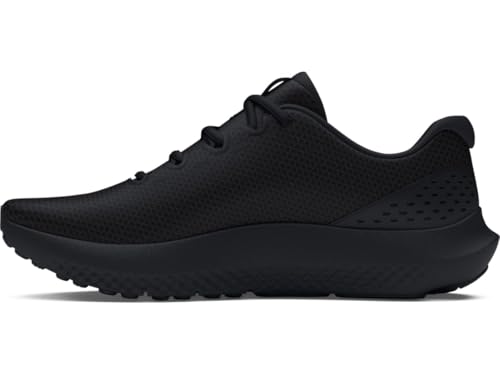
Under Armour Men's Charged Surge 4, 002 Black, 11
Check price on Amazon
SHULOOK Womens Slip on Walking Shoes Comfort Lightweight Casual Sneakers | Non-Slip Breathable Sock Work Shoes Mesh Sport Casual Fashion Tennis Running Sneakers
Check price on Amazon
VLHGCG Running Shoes Men Slip Ins Tennis Gym Sneakers Black Size 9.5 | Breathable Mesh Athletic Sneakers | Wear-Resistant Non-Slip Rubber Outsole | Casual Fashion Sports Shoes for Daily Workout
Check price on AmazonReady to Upgrade Your Footwear?
Breathable shoes are an investment in comfort, hygiene, and foot health. Whether you need performance running shoes, all-day work footwear, or casual sneakers, prioritizing breathability ensures your feet stay cool, dry, and fresh.
View Top RecommendationsFinal Thoughts: Breathe Easy with the Right Shoes
Breathable shoes are more than a comfort feature—they are a foundation for foot health. By allowing air to circulate and moisture to escape, they prevent odor, reduce blister risk, and keep you comfortable through the longest days. When shopping, prioritize mesh, knit, or perforated uppers, check the lining and insole for ventilation features, and maintain your shoes properly to preserve their breathability.
For a broader understanding of how to build a complete footwear collection, start with our first shoe checklist and explore shoe categories overview. If you're shopping on a budget, our budget-friendly shoes guide shows you how to get breathable quality without overspending. And for those comparing options, our best value guide helps you make informed decisions.
Your feet deserve to breathe. Choose wisely, care diligently, and step into a world of cool, dry, healthy comfort.