
Fit & Sizing Hub: Your Ultimate Guide to Perfect Shoe Fit
Stop guessing your shoe size. Learn how to measure your feet accurately, understand width and arch profiles, and discover the perfect fit for every pair you buy.
Start MeasuringWhy Getting the Right Fit Matters More Than You Think
We've all been there: you find a pair of shoes you love, order your usual size, and when they arrive, they're either too tight, too loose, or just plain uncomfortable. This common frustration is why understanding your true shoe fit is so important. The right fit isn't just about comfort—it's about foot health, performance, and getting the most value from your footwear investment.
At ShoesTruth, we believe that the foundation of any great shoe collection starts with knowing your unique foot dimensions. Whether you're looking for running shoes for your daily jog, work shoes for long shifts, or a pair of leather shoes for formal occasions, the fit will determine how much you actually wear and enjoy them.
This comprehensive hub will walk you through everything you need to know about shoe fit and sizing. From measuring your feet at home to understanding international size conversions, we've got you covered. By the end of this guide, you'll be equipped to make confident, informed decisions every time you shop for shoes online or in-store.
How to Measure Your Feet Accurately at Home
Before you can find your perfect fit, you need accurate measurements. Most people assume they know their shoe size, but studies show that a significant percentage of people are wearing the wrong size. The good news? Measuring your feet at home is simple and takes only a few minutes.
What You'll Need
- A piece of paper larger than your foot (A4 or letter size works well)
- A pencil or pen
- A ruler or measuring tape
- A wall or flat surface to place the paper against
Step-by-Step Measuring Process
- Measure in the evening: Your feet tend to swell throughout the day, so measuring at the end of the day gives you the most accurate reading for when your feet are at their largest.
- Wear your typical socks: If you plan to wear specific socks with the shoes, wear them during measurement.
- Place the paper against a wall: Stand on the paper with your heel touching the wall.
- Mark your longest toe: Have someone help you mark the tip of your longest toe (which may not be your big toe) on the paper.
- Measure the length: Use the ruler to measure from the edge of the paper (at the wall) to the mark. This is your foot length.
- Measure the width: Measure across the widest part of your foot, typically at the ball of your foot.
- Repeat for both feet: Always measure both feet and use the larger measurement for sizing.
Pro Tip: For the most accurate results, you can use a Brannock Device at a shoe store, or use our detailed fit measurement guide for more precise instructions.
Understanding International Shoe Size Systems
One of the biggest challenges when buying shoes online is navigating the different sizing systems used around the world. A US size 9 is not the same as a UK size 9 or an EU size 42. This is why understanding the conversion between systems is crucial for online shopping.
Common Sizing Systems
- US (United States): Used primarily in the United States. Men's and women's sizes differ significantly.
- UK (United Kingdom): Used in the UK and some Commonwealth countries. Often runs about 1 size smaller than US sizing.
- EU (European Union): Used across Europe and many international brands. Based on the Paris point system.
- CM (Centimeters): Used by many athletic brands like Nike, Adidas, and New Balance. Based on actual foot length in centimeters.
For a complete reference, check out our international size chart that covers conversions for men, women, and children.
Quick Size Conversion Reference
| US Men | US Women | UK | EU | CM (Foot Length) |
|---|---|---|---|---|
| 6 | 7.5 | 5.5 | 39 | 24.0 |
| 7 | 8.5 | 6.5 | 40 | 25.0 |
| 8 | 9.5 | 7.5 | 41 | 26.0 |
| 9 | 10.5 | 8.5 | 42.5 | 27.0 |
| 10 | 11.5 | 9.5 | 44 | 28.0 |
| 11 | 12.5 | 10.5 | 45 | 29.0 |
| 12 | 13.5 | 11.5 | 46 | 30.0 |
Remember that this is a general guide. Brands can vary, so always check the specific brand's sizing recommendations. For detailed guides, visit our men's shoe sizes, women's shoe sizes, and kids' shoe sizes pages.
The Importance of Shoe Width and Shape
Length is only half the story. The width and shape of your foot play an equally important role in determining comfort and fit. A shoe that's the right length but too narrow will cause pinching, while one that's too wide will cause slipping and blisters.
Understanding Width Sizes
Shoe widths are typically denoted by letters. The most common system uses:
- D (or M): Standard or Medium width for men. For women, it's typically B.
- B: Narrow width for men. For women, it's typically A or AA (Extra Narrow).
- 2E (or EE): Wide width for men. For women, it's typically D.
- 4E (or EEEE): Extra Wide width for men. For women, it's typically 2E.
If you have wide feet, finding the right shoes can be challenging. Our guide to wide width shoes covers everything you need to know. Conversely, if you have narrow feet, check out our guide to narrow shoes. For those who need even more room, extra wide shoes are available from many specialized brands.
Toe Box Shapes
The shape of the toe box affects how your toes sit within the shoe. Two common shapes are:
- Round Toe Shoes: The most common and generally the most comfortable, offering plenty of room for your toes to spread naturally.
- Square Toe Shoes: A more modern, fashion-forward option that can be comfortable if properly fitted, but may not suit all foot shapes.
Arch Support and Foot Type: Finding Your Match
Your arch type is a crucial factor in determining which shoes will provide the best support and comfort for you. There are three main arch types: neutral, flat, and high. Understanding yours will help you choose the right footwear for your needs.
Determining Your Arch Type
A simple way to determine your arch type is the "wet test." Wet your feet and step onto a piece of cardboard or a dark surface. Look at the imprint:
- Neutral Arch: You see about half of your arch. You have a normal arch and can wear a wide variety of shoes.
- Flat Arch (Flat Feet): You see almost your entire foot. You likely need shoes with good stability and motion control. Explore our flat feet shoes guide.
- High Arch: You see only your heel and the ball of your foot, with a very thin line connecting them. You need shoes with excellent cushioning. Check out our high arch shoes recommendations.
For a deeper understanding of how arch support works in footwear, visit our arch support footwear page.
Matching Shoes to Your Foot Type
- Neutral Shoes: If you have a neutral arch, you can choose neutral shoes that offer a balance of cushioning and support.
- Stability Shoes: For those with flat arches or mild overpronation, stability shoes provide additional support to control the foot's motion.
- Cushioned Shoes: For high arches, cushioned shoes provide the extra shock absorption needed.
Comfort Features That Enhance Fit
Beyond the basic dimensions, certain features can significantly impact how a shoe fits and feels. When shopping, look for these comfort-enhancing elements:
- Breathable Shoes: Made with mesh or knit uppers that allow air to circulate, keeping your feet cool and dry.
- Lightweight Shoes: Reduce fatigue, especially important for running or walking long distances.
- Flexible Sole Shoes: Allow your foot to move naturally, promoting a more comfortable stride.
- Padded Collar Shoes: Feature extra padding around the ankle to prevent rubbing and blisters.
Additionally, if you need extra room, consider a pair of half size up, especially for athletic shoes where feet tend to swell during activity. For those who want a snug, comfortable fit without laces, slip-on shoes are a great option.
Fit for Different Activities
The perfect fit for a dress shoe is different from the perfect fit for a running shoe. Here's how to adjust your sizing strategy based on how you'll use the shoes:
Running and Athletic Shoes
For running shoes, you typically want about a thumb's width of space between your longest toe and the front of the shoe. This allows for foot expansion and prevents toe bang. If you're into training shoes or basketball shoes, a snug fit is important for stability, but make sure you still have room to wiggle your toes.
Work and Safety Shoes
For work shoes, comfort and safety are paramount. Ensure you have a proper fit that doesn't allow your foot to slide around, especially if you're on your feet all day. For industrial environments, steel toe shoes and composite toe shoes need to be sized carefully to accommodate the protective toe box without being too tight.
Casual and Dress Shoes
For sneakers and leather shoes, the fit should be snug but not tight. Leather will stretch slightly over time, so it's okay if they feel a bit snug initially. For Oxford shoes, Derby shoes, and loafers, a proper fit is essential for a polished look and all-day comfort.
Recommended Shoes for Optimal Fit & Comfort
⚠️ AFFILIATE DISCLOSURE: This website contains affiliate links. As an affiliate Associate, we earn from qualifying purchases. If you make a purchase through these links, we may receive a small commission at no additional cost to you. Read our full affiliate policy.

2 Sets 3500LB Trailer Hub Kit 5 Bolt 4.5 Fits 1-1/16"–1-3/8" Spindles
Check price on Amazon
1 Set 3500LB Trailer Hub Kit 5 Bolt 4.5 Fits 1-1/16"–1-3/8" Spindles
Check price on Amazon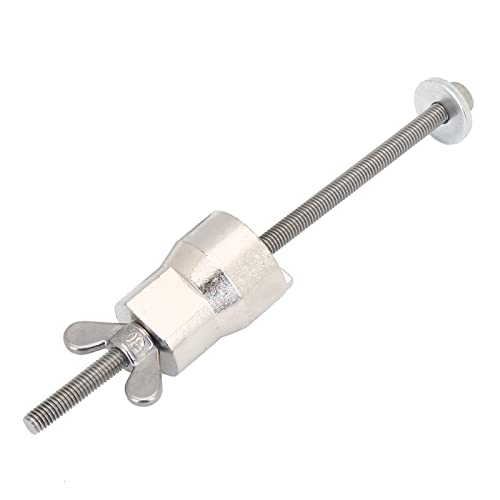
Bicycle Hub Repair Tool, Stainless Steel Removal Kit for Mountain Road
Check price on Amazon
36-Hole Bicycle Hub for Front or Rear Wheel, Silver Steel Disc Hub
Check price on Amazon
36-Hole Bicycle Hub for Front or Rear Wheel, Silver Steel Disc Hub
Check price on Amazon
Deep for impact Socket for Suzuki Front Wheel Hub Deep for impact
Check price on Amazon
4Pcs Aluminum Alloy Hub Centric Rings for Wheel Center Bore | 67.1mm to 56.1mm Sizing, Silver Finish, Rust Resistant Fit for Cars
Check price on Amazon
XiKe 1/2" Flanged Bearing, Replacement Lawn Mower Wheel Bearings, 10 Pack | Fits for Wheelbarrows, Carts & Hand Trucks Wheel Hub, Replacement for Marathon, Exmark, Stens, Prime Line & Sunbelt.
Check price on AmazonReady to Find Your Perfect Fit?
Use our guides to measure your feet, understand your arch type, and choose the right shoes for your needs.
Check Out Our First Shoe ChecklistExplore More Fit & Sizing Guides
Wide Width Shoes
Find comfortable shoes designed for wider feet.
Narrow Shoes
Discover stylish options for narrow foot shapes.
Arch Support Footwear
Learn how proper arch support can improve comfort.
Kids Shoe Sizes
A complete guide to sizing shoes for children.
International Size Chart
Convert shoe sizes across US, UK, EU, and CM systems.
Fit Measurement Guide
Detailed instructions for measuring your feet accurately.