
Laces Replacement: Complete Guide to Replacing & Restoring Shoelaces
Everything you need to know about replacing shoelaces for sneakers, boots, dress shoes, and casual footwear. Learn lace types, sizing, step-by-step replacement, and expert care tips to extend the life of your favorite shoes.
EXPLORE SHOE CAREWhy Laces Replacement Matters: Shoelaces are one of the most overlooked components of footwear, yet they play a critical role in fit, comfort, and safety. Worn, stretched, or broken laces can compromise support, cause tripping hazards, and make even premium shoes look shabby. Replacing laces is one of the simplest and most cost-effective ways to restore function and appearance—often for just a few dollars.
Whether you need to replace laces on your daily white sneakers, your dependable work shoes for plantar fasciitis, or a pair of brown dress shoes, this guide will walk you through the entire process. From choosing the right lace material and length to mastering replacement techniques for different shoe types, you'll find everything here.
When Should You Replace Your Shoelaces?
Shoelaces don't last forever. Even high-quality laces degrade over time due to friction, moisture, UV exposure, and repeated tightening. Knowing when to replace them prevents discomfort and extends the life of your shoes. Here are the key signs it's time for a laces replacement:
Signs Your Laces Need Replacing
- Fraying or Fuzziness: When the outer weave breaks down and the lace becomes fuzzy, it's structurally weakened and prone to snapping.
- Broken or Missing Aglets: The plastic or metal tips (aglets) prevent fraying and make threading easy. Once they're gone, the lace unravels quickly.
- Stretched or Elastic Laces That No Longer Recover: Elastic laces lose their stretch over time, compromising fit—especially problematic for people who stand all day.
- Discoloration or Stains: Laces absorb sweat, dirt, and oils. If washing doesn't restore them, replacement is the cleanest solution.
- Laces That Won't Stay Tied: Slippery or stretched laces that constantly come undone are a safety hazard, particularly for those wearing non-slip shoes in workplace environments.
- Uneven Wear: One lace breaking more often than the other suggests a quality issue or an uneven lacing pattern that puts excess stress on one side.
Types of Shoelaces: Choose the Right Material
The material and shape of your laces affect durability, comfort, and appearance. Here's a breakdown of the most common types:
| Lace Type | Best For | Durability | Typical Price |
|---|---|---|---|
| Flat Cotton | Sneakers, casual shoes, white sneakers | Moderate | $3–$8 per pair |
| Flat Polyester | Athletic shoes, running shoes, gym shoes | High | $4–$10 per pair |
| Round Cotton | Dress shoes, brown dress shoes, oxfords | Moderate | $3–$7 per pair |
| Waxed Cotton | Boots, leather shoes, long-lasting shoes | Very High | $5–$12 per pair |
| Elastic / No-Tie | Slip-on sneakers, shoes for standing all day | Moderate | $6–$15 per pair |
| Kevlar / Reinforced | Work boots, tactical shoes, heavy-duty use | Extreme | $10–$25 per pair |
| Leather Laces | Dress boots, formal shoes, men's shoes | High | $8–$20 per pair |
Lace Shape: Flat vs. Round vs. Oval
- Flat Laces: The most common style for sneakers. They lie flat against the shoe, distribute pressure evenly, and stay tied well. Ideal for casual and athletic shoes.
- Round Laces: Typically found on dress shoes and boots. They slide easily through eyelets and look more formal. Waxed round laces are excellent for boots because they grip and stay tied.
- Oval Laces: A hybrid shape that combines the low-profile look of flat laces with the smooth threading of round laces. Common on performance sneakers.
How to Measure Shoelace Length Correctly
Buying the wrong length is the most common mistake in laces replacement. Laces that are too short won't tie properly, while laces that are too long create tripping hazards and look untidy. Use this guide to find your size:
| Eyelet Pairs | Recommended Length | Common Shoe Types |
|---|---|---|
| 2–3 pairs | 24–30 inches (60–75 cm) | Children's shoes, boys' shoes, girls' shoes |
| 4–5 pairs | 36–45 inches (90–115 cm) | Casual sneakers, low-top shoes, ballet flats |
| 5–6 pairs | 45–54 inches (115–137 cm) | Standard sneakers, white sneakers, chunky sneakers |
| 6–7 pairs | 54–63 inches (137–160 cm) | Running shoes, gym shoes, mid-top shoes |
| 7–8 pairs | 63–72 inches (160–183 cm) | Boots, high-tops, work shoes for plantar fasciitis |
| 8+ pairs | 72+ inches (183+ cm) | Tall boots, tactical footwear, hiking boots |
How to Measure Your Existing Laces
- Remove one lace from your shoe completely.
- Lay it flat on a table without stretching it.
- Measure from tip to tip using a tape measure or ruler.
- Round up to the nearest standard size if needed.
- If you can't measure, count the eyelet pairs and use the table above as a reference.
Step-by-Step: How to Replace Shoelaces
Replacing laces is a straightforward process that takes just a few minutes. Follow these steps for a clean, secure result:
What You'll Need
- New shoelaces (correct length and type)
- Scissors (optional, for trimming)
- A small bowl of warm water and mild soap (for cleaning eyelets)
- A soft brush or cloth
Replacement Steps
- Remove the old laces: Untie your shoes completely and pull the old laces out of all eyelets. Set them aside for measuring if needed.
- Clean the eyelets: Use a damp cloth or soft brush to remove dirt, dust, and debris from the eyelets. This prevents the new laces from getting dirty immediately and ensures smooth threading.
- Choose your lacing pattern: The standard criss-cross pattern is the most secure and adjustable. For a cleaner look, try straight-bar lacing (popular for white sneakers and men's white shoes). For boots, consider the over-under pattern for better grip.
- Thread the first eyelet: Start at the bottom (closest to the toe) on one side. Insert the lace from the top down, so the lace end goes into the eyelet and comes out underneath.
- Criss-cross to the top: Bring the lace across the tongue and thread it through the opposite eyelet from underneath. Repeat this pattern, alternating sides, until you reach the top eyelets.
- Adjust tension: Before tying, adjust the lace tension from bottom to top. You want even pressure across the entire foot—not too tight at the bottom and loose at the top.
- Tie and test: Tie your preferred knot (standard bow, double knot, or Ian's secure knot). Walk around for a minute to ensure comfort and that the laces stay tied.
- Trim if needed: If your laces are excessively long, you can trim them and melt the tips with a lighter to create new aglets. Be careful not to burn the lace material.
Laces Replacement for Different Shoe Types
Different shoes require different lacing approaches. Here's how to handle the most common types:
Sneakers & Athletic Shoes
Sneakers use flat or oval laces, typically 45–54 inches for standard low-tops. For chunky sneakers and platform sneakers, you may need longer laces (54–63 inches) due to the thicker tongue and more eyelet pairs. Use a criss-cross pattern for the best fit.
Dress Shoes & Formal Footwear
Dress shoes like oxfords and derbies use thin round or flat laces, usually 27–36 inches. For a polished look, use straight-bar lacing (also called "formal lacing") where the lace runs straight across the top of the shoe and hides underneath. This is popular for brown dress shoes and black loafers.
Boots & Work Shoes
Boots require longer, more durable laces—typically 54–72 inches. Waxed cotton or Kevlar laces are ideal for boots because they resist moisture and stay tied. For shoes for concrete floors and shoes for standing all day, consider elastic laces for convenience and pressure relief.
Casual & Slip-On Shoes
Slip-on styles like clog-style shoes and mules for women may have decorative laces that aren't meant to be replaced. Check the construction before attempting replacement. For comfortable sandals for walking, laces are typically not replaceable.
Shoelace Maintenance: Make Your Laces Last Longer
Proper care can double or triple the lifespan of your laces. Here's how to maintain them:
- Wash laces regularly: Remove laces and hand-wash them in warm water with mild soap. Air dry—never put them in a dryer, as heat damages elastic and cotton fibers.
- Rotate laces: If you have multiple pairs of shoes, rotate your laces to distribute wear evenly.
- Avoid over-tightening: Pulling laces too tight stretches them and puts excess stress on eyelets. Tighten just enough for a secure fit.
- Protect aglets: If the plastic tips start to crack, you can reinforce them with clear nail polish or a small piece of heat-shrink tubing.
- Store shoes properly: Use shoe storage covers to protect laces from dust and UV damage.
- Address eyelet damage: Rough or rusted eyelets will shred new laces quickly. If you notice eyelet damage, consider heel repair or a professional shoe repair service.
Best Shoelaces for Replacement
⚠️ AFFILIATE DISCLOSURE: This website contains affiliate links. As an affiliate Associate, we earn from qualifying purchases. If you make a purchase through these links, we may receive a small commission at no additional cost to you. Read our full affiliate policy.

VSUDO 54" Flat White Shoe Laces for Sneakers, White Shoelaces for Sneakers | 1 Pair 8mm 137 cm Men Women Replacement Shoe Strings, Cordones para Tenis, Tennis Running Gym Athletic White Shoe Strings
Check price on Amazon
Birch Oval Shoelaces 27 Colors Half Round 1/4" Shoe Laces 4 Different Lengths (37" (94cm) - M, Black)
Check price on Amazon
VSUDO 55 Inches Round Black Boot Laces, 5/32" Diameter Shoe Laces for Boots, Heavy Duty Work Shoestrings, Hiking Shoelaces for Men or Women (2Pairs-Black-140CM)
Check price on Amazon
RJ-Sport Tieless Elastic Shoe Laces - Heavy Duty No Tie Shoelaces for Kids and Adult with Strong Lock and Speed Shoestrings (Black)
Check price on Amazon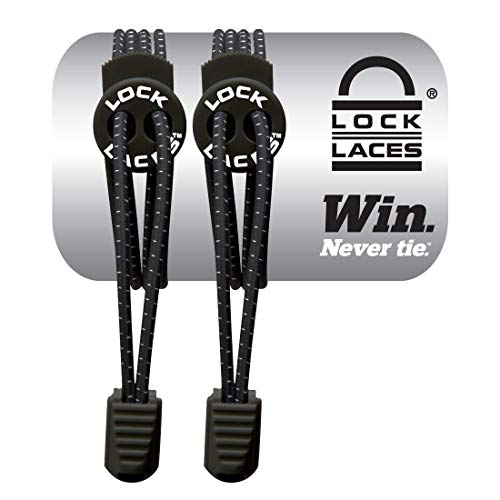
LOCK LACES (Elastic Shoelace and Fastening System) (Black)
Check price on Amazon
UpUGo 3 Pair Flat Shoe laces, 5/16" Wide Shoelaces | Athletic Running Sneakers Shoes Boot Strings
Check price on Amazon
VGUBLG Shoelaces for Sneakers 1 Pair Athletic Shoelace Flat Shoe laces forKids and Adults in 24"-79" Shoe String White 54"
Check price on Amazon
UpUGo Elastic Shoe Laces, No Tie Shoe Laces for All Ages, One Size Fit All | Comfortable for Men, Women, Seniors
Check price on AmazonFrequently Asked Questions About Laces Replacement
How do I know what length shoelaces I need?
Shoelace length depends on the number of eyelet pairs and the type of lacing pattern. As a general rule: 2–3 eyelet pairs need 24–30 inches, 4–5 pairs need 36–45 inches, 6–7 pairs need 45–54 inches, and 8+ pairs need 54–72 inches. Always measure your old laces or count eyelets for accuracy. If you're unsure, check the international size chart or measure the lace path on your shoe.
When should I replace my shoelaces?
Replace shoelaces when you notice fraying, discoloration, stretched elastic, broken aglets (the plastic tips), or if the lace no longer stays tied. For athletic shoes, replacing laces every 6–12 months is recommended. For dress shoes, laces can last several years with proper care. For long-lasting shoes, quality laces are essential.
What are the best shoelaces for sneakers?
Flat cotton or polyester laces are standard for most sneakers. For athletic performance, consider waxed or elastic laces. For a clean look, flat laces work best. For boots, round or waxed laces provide better durability and grip. If you're looking for comfortable sneakers for standing all day, elastic laces can provide extra convenience.
Can I replace shoelaces on any type of shoe?
Most lace-up shoes can have their laces replaced, including sneakers, boots, dress shoes, and casual shoes. Some slip-on styles and certain designer shoes may have decorative or non-replaceable laces, so check the construction first. For orthopedic shoes with specialized lacing systems, consult the manufacturer's guidelines before replacing.
How do I keep my new laces from coming untied?
Use a secure knot like the Ian Knot or double-knot. Waxed laces also hold knots better than unwaxed cotton. For athletic shoes, consider elastic no-tie laces if you struggle with traditional laces. For non-slip shoes, ensure laces are properly tied to prevent tripping.
Related Guides & Resources
Final Thoughts: Laces replacement is a simple, inexpensive way to refresh your shoes, improve comfort, and enhance safety. By choosing the right lace type and length, mastering proper lacing techniques, and maintaining your laces regularly, you can extend the life of your footwear significantly. Whether you're caring for white sneakers, work shoes, or dress shoes, a fresh pair of laces makes a noticeable difference.
Ready to upgrade your footwear? Explore our recommended shoelaces below or browse our shoe care and repair hub for more maintenance tips.