
Sole Replacement: The Complete Guide to Resoling Your Shoes
Discover when and how to replace shoe soles, explore different sole types, understand costs, and learn how resoling can extend the life of your favorite footwear by years.
Find Resoling SuppliesYour favorite pair of shoes has served you faithfully for years. The leather upper is still in great condition, the fit is perfect, but the sole is worn thin. Before you toss them out and buy a new pair, consider sole replacement—a cost-effective and sustainable way to breathe new life into quality footwear. Whether you own leather shoes, work shoes, or sneakers, understanding the resoling process can save you hundreds of dollars and keep comfortable, broken-in shoes on your feet for many more years.
This comprehensive guide covers everything you need to know about sole replacement: when it's worth doing, the different types of soles available, the resoling process, associated costs, and how to choose the right repair approach for your specific footwear. By the end, you'll be equipped to make informed decisions about your shoe repair investments.
Why Consider Sole Replacement?
Sole replacement is more than just a repair—it's an investment in comfort, sustainability, and value. Here are the primary reasons to consider resoling your shoes:
- Cost Savings: Resoling typically costs $40–$150, far less than replacing quality shoes that may cost $200–$600 or more. For premium leather shoes or work shoes, resoling can save you significant money.
- Preserved Comfort: A broken-in shoe upper molds to your foot over time. Resoling preserves that custom fit, unlike new shoes that require a break-in period.
- Sustainability: Extending the life of your footwear reduces waste and environmental impact. Quality shoes are resource-intensive to produce, so resoling is an eco-friendly choice.
- Quality Preservation: If your shoes feature welted construction, they are designed for resoling. This traditional craftsmanship allows multiple sole replacements over the shoe's lifetime.
- Customization: Resoling lets you change sole types—swap a leather sole for a rubber sole for better traction, or upgrade to a cushioned option for comfort.
When Should You Replace Your Shoe Soles?
Timing is critical. Resoling too early wastes money; waiting too long can cause irreversible damage to the upper or midsole. Watch for these signs that indicate it's time for sole replacement:
Signs Your Shoes Need Resoling
- Worn Tread: The tread pattern is smooth or has disappeared in high-wear areas, reducing traction and safety. This is especially critical for slip-resistant shoes.
- Holes or Cracks: Visible holes, deep cracks, or separation between the sole and upper. Once you see holes, water and debris can damage the interior.
- Uneven Wear: The sole wears unevenly, causing instability or discomfort. This may also indicate a need for arch support footwear adjustments.
- Heel Wear: The heel is worn down significantly, affecting posture and gait. This often accompanies the need for heel repair as well.
- Discomfort: You feel every pebble or the sole feels thin and unsupportive. Cushioning has likely degraded.
- Separation: The sole is peeling away from the upper, especially at the toe or heel.
Pro Tip: For welted construction shoes, resole before the midsole is damaged. Once the midsole is compromised, the repair becomes more complex and expensive. Inspect your soles every 6–12 months depending on wear frequency.
Types of Shoe Soles: Which Replacement Is Right for You?
The type of sole you choose affects comfort, durability, traction, and style. Here's a breakdown of common sole materials and their ideal applications:
| Sole Type | Best For | Durability | Cost Range |
|---|---|---|---|
| Leather Soles | Dress shoes, formal occasions, breathability | Moderate (requires care) | $80–$200 |
| Rubber Soles | Everyday wear, wet conditions, traction | High | $40–$100 |
| EVA Soles | Athletic shoes, lightweight comfort | Moderate | $30–$80 |
| Crepe Soles | Casual shoes, desert boots, soft comfort | Moderate | $50–$120 |
| Gum Soles | Sneakers, casual wear, non-marking | Moderate–High | $40–$90 |
| Vibram Soles | Outdoor, hiking, heavy-duty work | Very High | $60–$150 |
When choosing a replacement sole, consider your primary use. For work shoes or safety shoes, prioritize durability and slip resistance. For Oxford shoes or Derby shoes, a leather sole maintains formal aesthetics. For walking shoes or running shoes, cushioning and flexibility are key.
The Sole Replacement Process: What to Expect
Understanding the resoling process helps you communicate effectively with your cobbler and set realistic expectations. Here's a step-by-step overview:
- Assessment: A cobbler inspects the shoe's upper, midsole, and welt (if present) to determine if resoling is viable. Shoes with welted construction are ideal candidates.
- Sole Removal: The old sole is carefully removed using specialized tools. For cemented shoes, heat or solvents may be used. For welted shoes, the stitching is cut.
- Midsole Preparation: The midsole is cleaned, leveled, and prepared for the new sole. If the midsole is damaged, it may need replacement—this increases cost.
- New Sole Attachment: Depending on construction, the new sole is either stitched (welted), cemented (glued), or both. Stitched shoes offer superior durability.
- Finishing: The sole is trimmed, sanded, and finished. Edges are polished, and the heel may be replaced or repaired (see heel repair).
- Quality Check: The cobbler ensures the sole is properly aligned, secure, and comfortable.
For cemented shoes, the process is faster but less durable. Vulcanized shoes and injection-molded shoes may have limited resoling options due to their construction.
How Much Does Sole Replacement Cost?
Costs vary based on shoe type, sole material, construction method, and cobbler expertise. Here's a general price guide:
- Basic Rubber Sole Replacement: $40–$80 for casual or sneakers.
- Leather Sole Replacement: $80–$200 for dress shoes or Oxford shoes.
- Welted Construction Resole: $100–$250+ for premium leather shoes; includes stitching and often heel repair.
- Specialty Soles (Vibram, etc.): $60–$150 for work shoes or outdoor footwear.
- Full Restoration: $150–$400+ if midsole replacement, heel repair, or stitching repair is needed.
Compare these costs to buying new: quality leather shoes often cost $200–$600, work shoes $100–$300, and premium sneakers $150–$400. Resoling is almost always more economical for quality footwear.
DIY vs. Professional Sole Replacement
While DIY sole replacement kits exist, professional resoling is recommended for most quality shoes. Here's why:
Professional Resoling
- Access to specialized tools and high-quality sole materials.
- Expertise in welted construction and complex repairs.
- Proper adhesion and stitching for durability.
- Ability to address related issues like heel repair or insole replacement.
- Warranty on workmanship.
DIY Resoling
- Only suitable for simple cemented shoes or temporary fixes.
- Risk of improper adhesion, leading to sole separation.
- Limited to basic rubber soles; not suitable for leather or welted shoes.
- May void manufacturer warranties.
For valuable leather shoes, work shoes, or any welted footwear, invest in professional resoling. The results are superior and longer-lasting.
How to Extend the Life of Your Shoe Soles
Proper care delays the need for sole replacement. Follow these tips to maximize sole longevity:
- Rotate Your Shoes: Avoid wearing the same pair daily. Rotation allows soles to dry and recover, extending life.
- Use Shoe Trees: Cedar shoe trees absorb moisture and maintain shape, reducing stress on soles.
- Clean Regularly: Remove dirt and debris that can abrade soles. Follow guides for leather cleaning, suede cleaning, or canvas cleaning.
- Protect with Sprays: Use shoe guard sprays or waterproofing to repel water and stains.
- Avoid Extreme Heat: Heat degrades sole materials. Never dry shoes near radiators or in direct sunlight.
- Address Wear Early: Repair small issues like heel wear or stitching damage before they worsen.
- Use Insoles: Cushioned insoles or arch support can redistribute pressure and reduce sole wear.
- Store Properly: Use shoe storage covers and keep shoes in a cool, dry place.
For rubber soles, periodic cleaning with a rubber shoe wash maintains grip and appearance. For leather soles, condition regularly to prevent drying and cracking.
Recommended Sole Replacement Supplies & Tools
⚠️ AFFILIATE DISCLOSURE: This website contains affiliate links. As an affiliate Associate, we earn from qualifying purchases. If you make a purchase through these links, we may receive a small commission at no additional cost to you. Read our full affiliate policy.
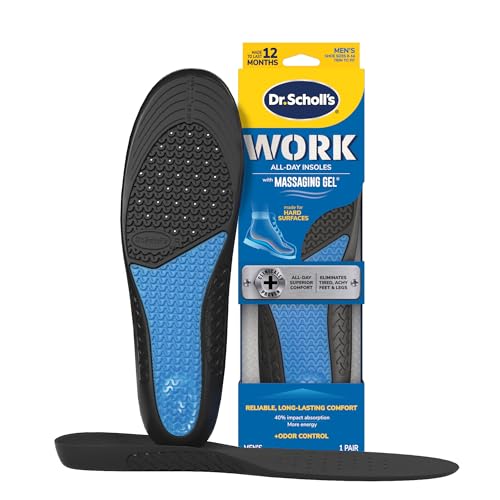
Dr. Scholl's Work All-Day Superior Comfort Insoles (with) Massaging Gel, Men, 1 Pair, Trim to Fit
Check price on Amazon
Shoe Sole Repair Rubber Anti-Slip Soles, Boot Sole Replacement 4mm Thick, Cut to Size (1 Pair)
Check price on Amazon
Shoe Rubber Sole Sheet, 1.2MM Thick Shoe Sole Repair Rubber, Non-Slip Soling Sheet for Bottom of Shoe, Black
Check price on Amazon
Shoe Insoles, Memory Foam Insoles, Providing Excellent Shock Absorption and Cushioning for Feet Relief, Comfortable Insoles for Men and Women for Everyday Use, M(US M: 6.5-9/W: 7.5-10)
Check price on Amazon
KANEIJI Shoe Replacement Rubber Full Out Sole,4mm Thickness, one Pair (Black)
Check price on Amazon
Shoe Insoles for Men Women, Memory Foam Insoles, Best Replacement Shoe Inserts, Providing Great Shock Absorption and Cushioning for Feet Relief, Prevent Foot Odor (Men 10-10.5 / Women 11-11.5)
Check price on Amazon
GULELAYAR Full Soles Rubber Replacement Anti-Slip Shoe Bottom Repair Material Shoe Repair Sheet Anti-Skid Sheet for Sole Repair (Yellow)
Check price on Amazon
Tarpop 10 Pcs Non Slip Shoe Pads Adhesive Rubber Sole Bottom Replacement | Shoe Sole Protector, Noise Reduction, 9.84 x 3.94 Inch, 5.12 x 3.15 Inch, Anti Slip, High Heel Leather Shoes
Check price on AmazonFinal Thoughts: Is Sole Replacement Worth It?
Absolutely—for quality footwear, sole replacement is one of the smartest investments you can make. It saves money, preserves comfort, reduces waste, and keeps your favorite shoes in service for years longer. Whether you're resoling leather shoes, work shoes, or sneakers, the key is to act before irreversible damage occurs and to choose a skilled cobbler for the job.
Before your next shoe purchase, explore our shoe categories overview and shopping and reviews hub to find footwear built for longevity. And when your soles wear down, remember: resoling is not just a repair—it's a renewal.
Ready to resole? Browse our recommended sole replacement supplies above, or consult a local cobbler for professional service. Your shoes—and your wallet—will thank you.