
Cemented Shoes: Complete Guide to Construction & Durability
Discover how cemented shoe construction works, its advantages and limitations, and whether this manufacturing method is right for your footwear needs.
START EXPLORINGShoesTruth Philosophy: Understanding shoe construction is the first step toward making smarter buying decisions. Cemented shoes represent one of the most common manufacturing methods in modern footwear. This guide will help you evaluate whether cemented construction aligns with your comfort, durability, and budget priorities.
What Are Cemented Shoes?
Cemented shoes refer to footwear where the upper is attached to the sole using a strong adhesive or cement. This construction method, also known as cemented construction, involves applying industrial-grade glue to the bottom of the upper and the top of the sole, then pressing them together under high pressure to create a durable bond. Unlike welted construction, which uses stitching to connect the upper to the sole, cemented shoes rely primarily on adhesive strength.
This method has become the dominant manufacturing technique in the modern footwear industry, accounting for the majority of shoes produced today. From everyday sneakers and casual shoes to athletic footwear and even many dress shoes, cemented construction is everywhere. Understanding this method helps you evaluate quality, predict longevity, and make informed purchasing decisions.
If you are new to footwear terminology, our shoes starter hub provides a comprehensive overview of construction methods and other essential buying considerations.
How Cemented Construction Works: Step by Step
The cemented construction process involves several precise steps that ensure a strong, lasting bond between the upper and the sole. Understanding this process helps you appreciate the engineering behind your footwear and recognize quality indicators when shopping.
Step 1: Upper Preparation
The upper is stretched over a last (a foot-shaped mold) to achieve the desired shape and fit. The lasting allowance, the excess material around the bottom edge, is pulled tightly and secured. This step determines the final shape and fit of the shoe.
Step 2: Roughing the Surfaces
Both the bottom of the lasted upper and the top of the sole are roughened using a wire brush or grinding wheel. This creates a textured surface that allows the adhesive to penetrate and form a stronger mechanical bond. Skipping or rushing this step is a common cause of premature sole separation.
Step 3: Applying Adhesive
A specialized cement, typically a polyurethane or neoprene-based adhesive, is applied to both surfaces. The adhesive is allowed to become tacky before the parts are joined. Some manufacturers apply multiple thin layers to ensure complete coverage and maximum bond strength.
Step 4: Pressing and Bonding
The upper and sole are pressed together under high pressure, often using a pneumatic press. This pressure ensures the adhesive spreads evenly and creates a uniform bond across the entire surface area. The shoe is then left to cure, allowing the adhesive to reach full strength.
Step 5: Finishing
Once the bond has cured, the shoe undergoes finishing processes such as trimming excess material, attaching heels, and adding any decorative elements. Quality control inspections ensure the bond is secure before the shoe is packaged.
Advantages and Disadvantages of Cemented Shoes
Like any construction method, cemented shoes offer distinct advantages and limitations. Understanding these helps you determine whether they align with your needs and expectations.
✓ Advantages
- Lightweight: Cemented construction adds minimal weight compared to welted methods.
- Flexible: The adhesive bond allows for natural flex, enhancing comfort from day one.
- Cost-effective: Lower labor and material costs make cemented shoes more affordable.
- Water-resistant: The adhesive creates a barrier that reduces water penetration.
- Wide availability: Used in everything from budget to premium footwear.
- Quick break-in: Typically requires minimal break-in time compared to stitched alternatives.
✗ Disadvantages
- Limited repairability: Resoling is difficult and often not cost-effective.
- Shorter lifespan: Adhesive can degrade over time, especially with heat and moisture.
- Less breathable: The adhesive layer can reduce airflow compared to stitched construction.
- Environmental concerns: Adhesives may contain volatile organic compounds.
- Heat sensitivity: Excessive heat can soften the adhesive and cause separation.
For those prioritizing longevity and repairability, long-lasting shoes with stitched or welted construction may be a better investment. However, for everyday wear and athletic purposes, cemented shoes offer an excellent balance of comfort, performance, and value.
Cemented vs. Other Construction Methods
To make an informed decision, it helps to compare cemented construction with other common methods. The table below highlights key differences.
| Feature | Cemented | Welted (Goodyear) | Vulcanized |
|---|---|---|---|
| Attachment Method | Adhesive | Stitching | Heat & Pressure |
| Repairability | Limited | Excellent | Moderate |
| Water Resistance | Good | Moderate | Excellent |
| Weight | Light | Heavy | Moderate |
| Cost | Low to Moderate | High | Moderate |
| Typical Lifespan | 1–3 years | 5–10+ years | 2–4 years |
| Best For | Athletic, casual, budget | Formal, long-term wear | Outdoor, rugged use |
When selecting footwear, consider how you plan to use it. For comfortable shoes for people who stand all day, cemented construction often provides the lightweight flexibility needed for extended wear. For formal occasions where longevity matters, welted alternatives may be preferable.
How to Identify Quality Cemented Shoes
Not all cemented shoes are created equal. The quality of materials, adhesive, and workmanship varies significantly across price points. Here are key indicators of well-made cemented footwear:
1. Clean Adhesive Lines
Inspect the junction between the upper and sole. Quality cemented shoes have clean, even adhesive lines with no excess glue visible. Sloppy adhesive application often indicates rushed manufacturing and may lead to premature separation.
2. Even Sole Attachment
Check that the sole is attached evenly around the entire perimeter. Any gaps, lifting, or misalignment suggests poor quality control and increases the risk of water penetration and sole detachment.
3. Quality Upper Materials
The upper material should be appropriate for the intended use. Brown suede shoes and other premium materials often indicate higher overall quality. Similarly, white sneakers made from full-grain leather typically outlast synthetic alternatives.
4. Comfort and Fit
Proper fit is crucial regardless of construction method. Use our fit measurement guide to ensure you select the correct size. A well-fitting cemented shoe should feel comfortable from the first wear with minimal break-in required.
5. Brand Reputation
Established brands with positive track records for quality control are generally safer choices. Check user favorites and reviews to gauge real-world durability and satisfaction.
Caring for Your Cemented Shoes
Proper care extends the life of cemented footwear and helps maintain the integrity of the adhesive bond. Follow these guidelines to maximize longevity:
- Avoid excessive heat: Never leave cemented shoes in hot cars or near radiators. Heat softens adhesives and accelerates separation.
- Keep them dry: While cemented construction offers water resistance, prolonged exposure to moisture can degrade the adhesive. Dry wet shoes at room temperature, away from direct heat.
- Clean regularly: Dirt and grime can work into the bond line and weaken adhesion. Clean your shoes according to the material type.
- Rotate your footwear: Giving shoes time to rest between wears allows moisture to dissipate and extends their lifespan.
- Use shoe trees: Cedar shoe trees absorb moisture and help maintain shape, reducing stress on the cemented bond.
- Address issues early: If you notice slight separation, consult a cobbler promptly. Early intervention can sometimes save the shoe, though major heel repair or resoling is often not feasible for cemented construction.
For storage, consider using shoe storage covers to protect your footwear from dust and moisture. When laces wear out, laces replacement is a simple way to refresh your shoes and extend their usable life.
When Should You Choose Cemented Shoes?
Cemented shoes are an excellent choice for many situations. Consider them when:
- You need lightweight comfort: Athletic shoes, walking shoes, and casual sneakers benefit from the flexibility and low weight of cemented construction.
- You are budget-conscious: Cemented shoes offer the best value for those who prefer to replace footwear periodically rather than invest in long-term repairs.
- You want variety: The lower cost of cemented construction allows you to own multiple pairs for different occasions, from city shoe looks to weekend casual wear.
- You prioritize immediate comfort: Minimal break-in time means cemented shoes feel comfortable right out of the box.
- You need water resistance: For rainy climates or outdoor activities, cemented construction provides better water resistance than stitched alternatives.
Conversely, if you seek footwear that can be resoled multiple times and last for many years, welted or stitched construction is worth the investment. For most consumers, however, cemented shoes deliver an excellent balance of performance, comfort, and value.
Ready to Find Your Perfect Pair?
Explore our curated selection of high-quality cemented shoes, from everyday sneakers to comfortable work footwear.
Browse Recommended Shoes →Recommended Cemented Shoes
⚠️ AFFILIATE DISCLOSURE: This website contains affiliate links. As an affiliate Associate, we earn from qualifying purchases. If you make a purchase through these links, we may receive a small commission at no additional cost to you. Read our full affiliate policy.

Cemented Shoes
Check price on Amazon
Cemented Shoes (Album Version)
Check price on Amazon
Nautica Slip On Black Non Slip Work Shoes, Safety Water Resistant Chef Kitchen Trabajo Zapatos Restaurant or Food Service Sneakers - Comfortable and Lightweight for Men and Women-Leda-Black 1-9.5
Check price on Amazon
Cemented Shoes
Check price on Amazon
Saucony Women's Peregrine 12 Running Shoe, Black/Charcoal, 6.5 US
Check price on Amazon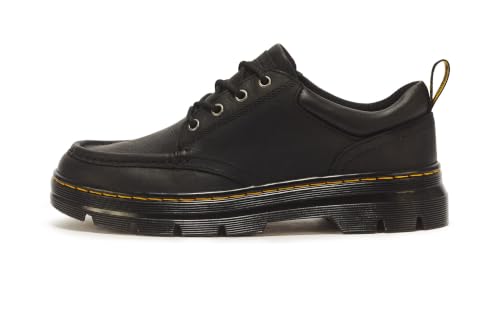
Dr. Martens Unisex Bridwell Lo 4 Eye Lace Up Shoe, Black Wyoming, 4UK, 6 US Women/5 US Men
Check price on Amazon
WOLVERINE mens Harrison 6in industrial and construction shoes, Brown, 10.5 US
Check price on Amazon
Dr. Martens Unisex Reeder MK .02 Shoe, Black Ajax+Extra Tough, 9UK, 11 US Women/10 US Men
Check price on AmazonFrequently Asked Questions About Cemented Shoes
How long do cemented shoes last?
With proper care, cemented shoes typically last between one and three years of regular wear. Lifespan depends on factors such as frequency of use, terrain, and maintenance. Rotating multiple pairs extends the life of each individual shoe.
Can cemented shoes be repaired?
Repair options for cemented shoes are limited. While minor issues like heel repair or laces replacement can be addressed, full resoling is often impractical and not cost-effective. This is a key consideration if longevity and repairability are priorities for you.
Are cemented shoes waterproof?
Cemented construction provides good water resistance because the adhesive creates a continuous barrier between the upper and sole. However, no shoe is truly waterproof unless specifically treated or designed for that purpose. For wet conditions, consider additional waterproofing treatments.
What is the difference between cemented and vulcanized shoes?
Cemented shoes use adhesive to attach the upper to the sole, while vulcanized shoes use heat and pressure to fuse rubber components together. Vulcanized construction is common in canvas sneakers and offers excellent durability and water resistance. Cemented construction is more versatile and is used across a wider range of footwear styles.
Are cemented shoes good for standing all day?
Yes, cemented shoes can be excellent for standing all day due to their lightweight flexibility and cushioning. Look for models with supportive insoles and proper arch support. Our guide to comfortable shoes for people who stand all day provides detailed recommendations.
Final Thoughts: Making the Right Choice
Cemented shoes represent the backbone of modern footwear manufacturing. Their combination of lightweight comfort, affordability, and versatility makes them the preferred choice for athletic, casual, and everyday footwear. While they may not offer the repairability and longevity of welted alternatives, they excel in scenarios where immediate comfort and value matter most.
When shopping for cemented shoes, focus on quality indicators such as clean adhesive lines, even sole attachment, and reputable brands. Proper care and maintenance will help you get the most from your footwear, regardless of construction method.
Whether you are looking for white sneakers for casual wear, comfortable shoes for working on concrete floors, or stylish options for everyday use, understanding cemented construction empowers you to make smarter buying decisions.
Ready to explore further? Visit our recommended products page for curated selections, or dive into our shoes starter hub for comprehensive guidance on building your perfect footwear collection.