
Shoe Freshening: The Complete Guide to Odor-Free, Fresh Footwear
Discover why shoes develop odors, how to eliminate them permanently, and the daily habits that keep your footwear smelling clean and feeling comfortable all day long.
Start the Freshening ProtocolThe ShoesTruth Approach: Shoe odor is not just embarrassing—it signals bacterial growth and moisture damage that shortens the life of your footwear. This guide gives you a complete system to fix the problem at the source, not just mask it.
Why Your Shoes Smell and Why It Matters
You take your shoes off after a long day, and the smell hits you. It's a common problem, but most people only treat the symptom with sprays and powders. The truth is, shoe odor is a biological process. Your feet sweat—up to half a pint per day—and that moisture creates a perfect breeding ground for bacteria. These bacteria break down sweat and dead skin cells, releasing the volatile compounds that cause that distinct, unpleasant smell.
But the issue goes beyond smell. That same moisture weakens adhesives, degrades leather, causes linings to crack, and breaks down cushioning. If you want your shoes to last, odor control is not optional—it's part of basic footwear maintenance. A comprehensive shoe care and repair routine always includes a freshening step.
The shoes most prone to odor are those worn daily without time to dry: running shoes, training shoes, work shoes, and sneakers. If you wear breathable shoes, you already have an advantage, but all footwear needs attention. Even leather shoes and loafers, which are less breathable, require a freshening strategy—especially if you wear them without socks.
This guide will walk you through a complete shoe freshening system, from daily habits to deep-cleaning protocols. You'll learn how to eliminate odor at the source, manage moisture effectively, and choose the right products. By the end, you'll have the knowledge to keep any pair of shoes—from suede shoes to canvas shoes—smelling fresh and lasting longer.
Recommended Shoe Freshening Products
⚠️ AFFILIATE DISCLOSURE: This website contains affiliate links. As an affiliate Associate, we earn from qualifying purchases. If you make a purchase through these links, we may receive a small commission at no additional cost to you. Read our full affiliate policy.
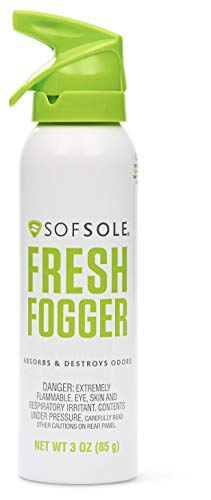
Sof Sole Fresh Fogger Shoe, Gym Bag, and Locker Deodorizer Spray, 3-Ounce, 1 Pack
Check price on Amazon
Uncle Todd's Shoe Deodorizer Spray - Proven & Powerful Enzyme Formula Spray for Shoe Odor Elimination in All Footwear (Mountain Fresh)
Check price on Amazon
Knixmax Sneaker Deodorizer Ball Shoe Freshener Balls, 6 Pack, Linen, Black | Shoe Deodorizer Balls, Odor Eliminator Balls for Boots Gym Bag and Lockers, Freshen Footwear and Keep Shoes Smelling Fresh.
Check price on Amazon
Fresh Wave Shoe Deodorizer, 1 Pack (2 Count) – Natural & Safe Shoe Freshener for All Types of Shoes, Long-Lasting and Reusable, Odor Eliminator for Strong Odor, Easy-to-Use Shoe Smell Remover
Check price on Amazon
Sof Sole Sneaker Ball Shoe Odor Eliminator & Remover - Fresh, Clean Scent Blocks Odors - Twist-to-Activate - Compact & Durable - Fun, Colorful Designs - Ideal for Shoes, Gym Bags, Lockers
Check price on Amazon
Vapor Fresh Sports Gear Cleaner and Deodorizer Spray, 16oz (1 Pack) | Sports odor eliminator, Boxing gloves, Sports pads, Helmets, Gym bags, Gym equipment
Check price on Amazon
Fresh Kicks Foul Ballz Shoe Deodorizer Balls – 6 Pack – Eliminate Smelly Shoes Fast – Strong Sneaker Odor Fighter – Long-Lasting Shoe Freshener Inserts for Gym Bags, Lockers, Closets & Sports Gear
Check price on Amazon
Vapor Fresh Shoe Deodorizer Spray, Natural Odor Eliminator, 4oz (1 Pack) | Shoe odor eliminator, Natural ingredients, No synthetic fragrances, For boots sneakers slippers and more
Check price on AmazonThe Daily Freshening Protocol: Habits That Prevent Odor
Prevention is always easier than cure. If you build a few simple habits into your daily routine, you'll rarely need to deal with severe odor problems. Here are the non-negotiable steps:
1. Rotate Your Shoes
Never wear the same pair two days in a row. Shoes need at least 24 hours to dry completely. If you rotate between two or three pairs, each pair gets time to air out, and bacteria never get a chance to establish a strong foothold. This single habit is the most effective odor prevention strategy. If you have running shoes for daily training, get a second pair and alternate them.
2. Use Moisture-Absorbing Inserts
Cedar shoe trees, charcoal inserts, or moisture-absorbing pouches pull humidity out of the shoe overnight. Cedar is especially effective because it naturally absorbs moisture and releases a pleasant scent. Place them in your shoes immediately after taking them off, and let them work while you sleep. For a deeper dive into moisture management, see our guide to moisture control.
3. Air Out Shoes Immediately
Don't throw your shoes in a dark closet the moment you take them off. Loosen the laces, pull the tongue forward, and let them sit in a well-ventilated area for a few hours. If the insoles are removable, take them out to dry separately. This simple step dramatically reduces odor. If you want to protect your shoes from dust while they air out, consider shoe storage covers that allow airflow.
4. Wear Clean Socks—and Choose the Right Material
Cotton socks absorb sweat but hold it against your skin. Merino wool and synthetic blends wick moisture away and dry faster. If you're prone to sweaty feet, moisture-wicking socks are essential. For shoes worn without socks—like slip-on shoes or espadrilles—use no-show liners that you can wash after every wear.
5. Sprinkle Baking Soda Overnight
Baking soda is a cheap, effective odor neutralizer. Sprinkle a tablespoon into each shoe before bed, shake it around, and vacuum or tap it out in the morning. It absorbs moisture and neutralizes acidic odors. This is a great maintenance step between deeper treatments. For more targeted solutions, explore our full guide to odor control.
Deep Cleaning and Deodorizing: When Daily Habits Aren't Enough
Sometimes odor gets ahead of you. Maybe you wore your shoes in the rain, or you've been wearing the same pair every day for a month. When the smell persists, it's time for a deep clean. The method you use depends on the material of your shoes.
For Canvas and Mesh Shoes
Canvas and mesh are the easiest to clean. Remove the laces and insoles, then hand-wash the shoes in warm water with a mild detergent. Use a soft brush to scrub the inside and outside. Rinse thoroughly and let them air dry—never put them in a dryer, as heat can warp the sole and shrink the fabric. For detailed instructions, see our guide to canvas cleaning and mesh cleaning.
For Leather and Suede Shoes
You cannot soak leather or suede. Instead, wipe the interior with a cloth dampened with a solution of equal parts water and white vinegar. Vinegar kills odor-causing bacteria and neutralizes smells. Let the shoes air dry completely, then condition the leather with a dedicated conditioner. For suede, use a suede brush to lift the nap and a dedicated suede cleaner. Never use water on suede—it can leave permanent stains. Our leather cleaning and suede cleaning guides cover this in depth.
For Rubber and Synthetic Shoes
Shoes made from rubber or synthetic materials, like many work shoes and safety shoes, can be washed with soap and water. Pay special attention to the inside, where sweat and bacteria accumulate. Use a disinfectant spray designed for footwear, or a diluted bleach solution (one part bleach to ten parts water) for tough cases. Rinse well and dry thoroughly. Our rubber shoe wash guide has more details.
The Vinegar and Baking Soda Power Combo
For stubborn odors, try this two-step process. First, spray the inside of the shoes with white vinegar and let them dry. The vinegar kills bacteria and neutralizes alkaline odors. Then, sprinkle baking soda inside and leave it overnight. The baking soda absorbs residual moisture and acidic odors. In the morning, shake out the baking soda and let the shoes air out. This combo is safe for most materials except suede and unfinished leather. For more on deodorizing, see our shoe deodorizing guide.
Using Commercial Deodorizers and Fresheners
There are dozens of products on the market: sprays, powders, inserts, and balls. Look for products that contain antimicrobial agents and moisture absorbers. Avoid products that simply mask odor with strong fragrances—they don't solve the problem. For a detailed comparison of product types, see our feature glossary and spec comparison pages. If you want to explore sprays specifically, our shoe guard sprays guide covers protective options that also help with freshness.
The Science Behind Shoe Odor: What's Actually Happening
Understanding the science helps you choose the right solution. Shoe odor is caused by two main factors: sweat and bacteria. Your feet have over 250,000 sweat glands, and they produce moisture constantly. This moisture softens the skin, creating an environment where bacteria thrive. The bacteria break down amino acids in sweat and dead skin cells, producing volatile sulfur compounds and fatty acids. These are the molecules you smell.
The type of bacteria matters too. Brevibacterium, for example, is responsible for the cheesy smell of some cheeses—and it's also a common culprit in shoe odor. Micrococcus and Staphylococcus are also frequently found in smelly shoes. These bacteria love dark, warm, moist environments, which is exactly what the inside of a shoe provides. If you want to go deeper into the microbiology and how to target these bacteria, see our anti-bacterial care guide.
Materials play a role as well. Leather and suede are less breathable than mesh and knit, so they trap more moisture. Synthetic linings can be worse than natural ones because they don't absorb moisture—they just hold it against the foot. If you're prone to odor, consider shoes with breathable uppers and natural linings. For more on materials, see our material and build hub.
Finally, the fit of your shoes matters. If your shoes are too tight, they compress your feet and increase sweating. If they're too loose, your feet slide around, creating friction and more sweat. Getting the right fit—with proper width and arch support—reduces moisture and odor. If you're unsure about your size, see our fit and sizing hub and our fit measurement guide. For those with specific foot shapes, wide width shoes and narrow shoes can make a big difference in comfort and moisture control.
Choosing the Right Freshening Products for Your Shoes
Walk into any shoe store or search online, and you'll find a bewildering array of freshening products. Here's a breakdown of the main categories and what they do:
Deodorizing Sprays
These are the most common product. They contain antimicrobial agents that kill bacteria, plus a fragrance to mask odor. Look for sprays that are specifically designed for footwear and that dry quickly. Avoid sprays with heavy perfumes if you have sensitive skin. For a deeper dive, see our shoe deodorizing guide.
Odor-Absorbing Powders
Powders like baking soda, charcoal, and zeolite absorb moisture and neutralize odors. They're great for overnight treatment. Some powders come in shaker bottles for easy application. Others are sold as inserts or pouches. If you want a natural option, plain baking soda works wonders. Our odor control guide has more DIY recipes.
Cedar Inserts and Shoe Trees
Cedar is a natural deodorizer and moisture absorber. Cedar shoe trees also help maintain the shape of your shoes. They're especially recommended for leather shoes and Oxford shoes, which can lose their shape when wet. Cedar inserts are smaller and fit into any shoe. They need to be refreshed occasionally with cedar oil or sandpaper.
Charcoal and Bamboo Inserts
Activated charcoal is a powerful odor absorber. Charcoal inserts are thin and fit under the insole or directly on top. Bamboo charcoal is similar and often sold in pouches. These are reusable—just leave them in the sun for a few hours to recharge. They're great for sneakers and walking shoes.
Antimicrobial Insoles
If your shoes have removable insoles, consider replacing them with antimicrobial insoles. These are treated with silver or copper ions that inhibit bacterial growth. They also provide cushioning and support. For more on insoles, see our insole replacement guide and our guide to cushioned shoes.
UV Shoe Sanitizers
These devices use ultraviolet light to kill bacteria and viruses inside your shoes. They're more expensive but effective and chemical-free. They're particularly useful for people with allergies or sensitive skin. If you're considering one, look for models with a timer and safety shut-off.
Shoe Balls and Sachets
These are small balls or sachets filled with odor-absorbing materials. They're placed inside shoes when not in use. They're convenient but less powerful than powders or inserts. They're best for maintenance, not for treating severe odor. For more on storage, see our shoe storage covers guide.
No matter which product you choose, remember that none of them are a substitute for proper cleaning and drying. They're supplements, not solutions. For a complete approach, pair them with the daily habits and deep cleaning methods described above. If you want to explore related products for shoe protection, see our stain guard and waterproofing guide.
Freshening Different Types of Shoes: Specific Strategies
Different shoes have different needs. Here's how to tailor your freshening approach to specific footwear types:
Athletic Shoes (Running, Training, Basketball, Tennis)
Athletic shoes are the most prone to odor because they're worn for intense activity and often don't dry completely between workouts. Remove the insoles after every run, rinse them if possible, and let both the shoes and insoles air dry. Use moisture-wicking socks and rotate between at least two pairs. For more on athletic shoe care, see our running shoes, training shoes, basketball shoes, and tennis shoes guides. Also, check out our guide to lightweight shoes for breathable options.
Casual Sneakers and Canvas Shoes
Sneakers and canvas shoes are often worn daily and can get very smelly. The good news is they're usually machine washable (check the label). Remove laces and insoles, wash on a gentle cycle in a mesh bag, and air dry. For more, see our sneakers and canvas shoes guides. If you have skate shoes, be careful with washing—the glue can degrade. Hand wash is safer.
Work and Safety Shoes
Work shoes and safety shoes are worn for long hours, often in hot or wet environments. They're a prime target for odor. Look for moisture-wicking linings and use heavy-duty odor absorbers. Replace insoles regularly. For more, see our work shoes, safety shoes, steel toe shoes, composite toe shoes, and slip-resistant shoes guides. Our moisture control guide is especially relevant here.
Formal and Dress Shoes
Leather dress shoes—Oxfords, Derbies, loafers, monk straps, and brogues—require a gentler approach. Use cedar shoe trees daily to absorb moisture and maintain shape. Wipe the inside with a vinegar solution if odor develops, then condition the leather. Never soak them. For more, see our leather cleaning guide.
Suede and Nubuck Shoes
Suede and nubuck are delicate. Use a suede brush to remove dirt and a suede eraser for stains. For odor, use a suede-safe deodorizing spray or place cedar inserts inside. Never use water or liquid cleaners. For more, see our suede cleaning guide and our suede shoes hub.
Slip-On and Espadrille Shoes
Slip-on shoes and espadrilles are often worn without socks, which makes them prone to odor. Use no-show liners and sprinkle baking soda inside after each wear. If they're washable, hand wash and air dry. For more, see our slip-on shoes and espadrilles guides. For related care, see our odor control hub.
Kids' Shoes
Kids' shoes get dirty and smelly fast. Look for machine-washable options and teach your kids to air out their shoes after school. Use gentle, non-toxic deodorizing products. For sizing, see our kids shoe sizes guide.
When to Replace Your Shoes Instead of Freshening Them
Sometimes, no amount of freshening will save a pair of shoes. Here are the signs that it's time to let go:
- Permanent odor: If the smell persists after multiple deep cleanings and treatments, the bacteria have likely penetrated deep into the materials. It's time for new shoes.
- Worn-out soles: If the soles are worn through or the tread is gone, the shoes no longer provide support or protection. See our sole replacement guide to decide if repair is worth it.
- Cracked or damaged uppers: Cracks in leather or tears in mesh allow moisture in and make odor worse. If the damage is extensive, replacement is usually the better option.
- Compressed cushioning: If the midsole feels flat and unsupportive, the shoe has lost its shock-absorbing properties. This can lead to foot pain. See our cushioned shoes guide for replacement options.
- Broken zippers or laces: These can often be repaired. See our laces replacement and stitching repair guides. If the repair is more expensive than new shoes, replace them.
If you do replace, consider upgrading to shoes with better breathability and moisture management. Look for breathable shoes and moisture-control features. If you're on a budget, see our budget-friendly shoes and best value guide. If you want premium options, see our luxury shoes guide. For a full comparison of features, see our spec comparison and brand-free comparison pages.
How Shoe Freshening Extends the Life of Your Footwear
Regular freshening isn't just about smell—it's about preserving your investment. Here's how it works:
Moisture is the enemy of footwear. It breaks down adhesives, causes leather to crack, promotes mold and mildew, and compresses cushioning. By removing moisture daily and treating odor at the source, you prevent these problems. Shoes that are kept dry and clean last significantly longer than those that are neglected.
Consider the cost of replacement. A good pair of work shoes can cost $100–$250. A pair of quality running shoes costs $120–$180. Leather dress shoes can run $150–$500 or more. If freshening adds even six months to the life of each pair, you save hundreds of dollars over a few years. That's why we consider freshening a core part of long-lasting shoe care.
Beyond cost, fresh shoes are healthier for your feet. Odor-causing bacteria can cause skin irritation, fungal infections, and worse. Keeping shoes fresh is a form of self-care. For more on foot health, see our guides to arch support footwear, flat feet shoes, high arch shoes, neutral shoes, and stability shoes. If you have specific concerns, see our padded collar shoes guide for comfort options.
Finally, fresh shoes make you more confident. You don't have to worry about the smell when you take your shoes off at a friend's house or in a professional setting. That peace of mind is worth the effort. For more on building a complete shoe care routine, see our shoe care and repair hub.
Frequently Asked Questions About Shoe Freshening
How often should I freshen my shoes?
Daily maintenance—airing out and using moisture absorbers—should be done after every wear. Deep cleaning and deodorizing should be done every two to four weeks, depending on how often you wear the shoes and how much you sweat. If you notice odor, treat it immediately.
Can I use baking soda on all types of shoes?
Baking soda is safe for most shoes, but avoid it on suede and unfinished leather, as it can leave residue and cause discoloration. For those materials, use cedar inserts or a suede-safe deodorizing spray.
How do I get rid of odor in shoes that can't be washed?
For shoes that can't be washed—like leather dress shoes or suede—wipe the inside with a vinegar solution (equal parts water and white vinegar), let them air dry completely, then use cedar shoe trees and an odor-absorbing powder. For stubborn cases, use a UV shoe sanitizer or a professional shoe cleaning service.
Are shoe deodorizers safe for people with allergies?
It depends on the product. Many commercial sprays contain fragrances and chemicals that can trigger allergies. Look for fragrance-free, hypoallergenic options, or use natural solutions like baking soda and cedar. UV sanitizers are a good chemical-free option. If you have severe allergies, consult a doctor before using any product.
Why do my shoes still smell after cleaning?
If odor persists after cleaning, the bacteria may have penetrated deep into the materials, or the shoes may not have dried completely. Make sure you dry them thoroughly—this can take 24–48 hours. If the smell remains, the shoes may be beyond saving. See our section on when to replace your shoes.
Can I put my shoes in the washing machine?
Some shoes—canvas, mesh, and some synthetic sneakers—can be machine washed on a gentle cycle. Never machine wash leather, suede, or shoes with glued-on embellishments. Always remove laces and insoles first, use a mesh bag, and air dry. For more, see our canvas cleaning and mesh cleaning guides.
How can I prevent odor before it starts?
Rotate your shoes, wear moisture-wicking socks, air out shoes immediately after wearing, use cedar or charcoal inserts, and sprinkle baking soda overnight. These habits prevent odor from developing in the first place. For a complete prevention strategy, see our odor control and moisture control guides.
Final Thoughts: Fresh Shoes, Better Life
Shoe freshening is one of those small habits that pays big dividends. It protects your investment, keeps your feet healthy, and gives you confidence. The best part is that it doesn't require expensive products or complicated routines—just consistency. Air out your shoes, rotate them, use moisture absorbers, and deep clean when needed. That's it.
If you're ready to build a complete shoe care routine, explore our shoe care and repair hub. For more on specific care topics, see our guides to leather cleaning, suede cleaning, canvas cleaning, mesh cleaning, and rubber shoe wash. And if you're in the market for new shoes, start with our shoe categories overview and our first shoe checklist.
Fresh shoes are happy shoes. Take care of them, and they'll take care of you.