
Insole Replacement: Restore Comfort, Support, and Hygiene
Your insoles are the unsung heroes of foot comfort. Learn when and how to replace them to keep your shoes feeling fresh and supportive.
Why Insole Replacement Matters
Insoles are the foundation of foot comfort. They absorb shock, distribute pressure, and provide arch support. Over time, even the highest-quality insoles compress, wear out, and lose their ability to cushion your every step. For anyone who spends long hours on their feet—whether in work shoes, running shoes, or everyday sneakers—worn-out insoles can lead to foot fatigue, joint pain, and even long-term biomechanical issues.
Replacing your insoles is one of the most cost-effective ways to extend the life of your favorite footwear. Instead of buying a new pair of shoes, a simple insole swap can restore comfort and support for a fraction of the cost. This guide will walk you through the signs that indicate it's time for a replacement, the different types of insoles available, and a step-by-step process to get the perfect fit.
5 Signs Your Insoles Need Replacing
Not sure if it's time for a new pair of insoles? Look out for these common indicators:
- Visible Wear and Tear: Check for flattened areas, cracks, or thinning spots. If the heel or forefoot area is noticeably compressed, the cushioning is gone.
- Persistent Foot Pain: If you experience arch pain, heel pain, or general foot fatigue after wearing shoes that used to feel comfortable, the insoles may be the culprit.
- Shifting or Slipping: Insoles that slide around inside the shoe no longer provide stable support. This can cause blisters and instability.
- Unpleasant Odor: Insoles absorb sweat and bacteria. If your shoes have a persistent odor even after cleaning, replacing the insoles is a must. Pair this with our odor control guide for best results.
- Changes in Foot Shape or Condition: If you've developed flat feet, high arches, or other foot conditions, your old insoles may no longer provide adequate support.
Types of Replacement Insoles
Choosing the right replacement insole depends on your foot type, activity level, and the shoes you'll be wearing. Here's a breakdown of the most common options:
| Type | Best For | Key Features | Price Range |
|---|---|---|---|
| Comfort/Cushioning Insoles | Everyday wear, casual shoes, walking shoes | Soft foam, gel pads, shock absorption | $15–$40 |
| Arch Support Insoles | Flat feet, arch support footwear | Contoured arch, firm support, semi-rigid | $25–$60 |
| Orthopedic/Medical Insoles | Plantar fasciitis, metatarsalgia, prescribed conditions | Custom-molded, deep heel cup, targeted support | $50–$200+ |
| Sport-Specific Insoles | Running, basketball, tennis | Moisture-wicking, lightweight, impact zones | $30–$70 |
| Heated or Massaging Insoles | Cold weather, circulation issues, relaxation | Battery-powered, warming, vibrating | $40–$150 |
For those who need extra cushioning, explore our guide to cushioned shoes. If you have specific foot conditions, consult a podiatrist before choosing an insole. For general comfort, a quality over-the-counter insole is often sufficient.
How to Replace Insoles: A Step-by-Step Guide
Replacing insoles is a straightforward process that takes just a few minutes. Follow these steps for a perfect fit:
- Remove the Old Insoles: Pull them out gently. If they are glued in, use a dull knife or a shoehorn to loosen the edges. Some shoes, like certain leather shoes or welted construction shoes, may have insoles that are stitched or cemented in place. In these cases, you may need to consult a professional cobbler. For more repair tips, see our shoe care and repair hub.
- Clean the Shoe Interior: Before inserting new insoles, clean the inside of your shoes. Remove any debris, dirt, or old adhesive. This is also a good time to address any moisture control issues. Let the shoes dry completely.
- Trace and Trim (If Needed): Many replacement insoles come in standard sizes. If you have a half-size or need a custom fit (e.g., for wide width shoes or narrow shoes), you may need to trim the insole. Place the old insole over the new one and trace the outline. Use sharp scissors to trim carefully, starting slightly larger and adjusting as needed.
- Insert the New Insole: Slide the new insole into the shoe, starting with the toe. Ensure it lies flat and doesn't bunch up. Press down along the entire length to secure it.
- Test the Fit: Put on the shoe and walk around. Check for any pressure points, slipping, or discomfort. If the insole feels too thick, you may need to remove the original insole (if it's removable) or choose a thinner option. For shoes with a tight fit, consider lightweight shoes or checking our fit and sizing hub for advice.
How to Make Your Insoles Last Longer
While replacement is inevitable, you can extend the life of your insoles with proper care:
- Rotate Your Shoes: Avoid wearing the same pair every day. Rotating allows insoles to dry out and recover their shape.
- Keep Them Dry: Moisture breaks down foam and promotes bacterial growth. Use shoe deodorizing products and consider water-resistant shoes for wet conditions.
- Clean Regularly: Wipe insoles with a damp cloth and mild soap. For specific materials, refer to our guides on leather cleaning, suede cleaning, and canvas cleaning.
- Use Shoe Trees: Cedar shoe trees absorb moisture and help maintain the shape of both the shoe and the insole.
- Store Properly: Use shoe storage covers to protect your shoes from dust and humidity.
When to Seek Professional Help
While DIY insole replacement works for most people, certain situations require professional attention:
- If you have a medical condition like diabetes, neuropathy, or severe foot deformities.
- If the shoe's original insole is stitched or cemented in place and cannot be easily removed.
- If you need custom orthotics prescribed by a podiatrist.
- If you're unsure about the right type of insole for your foot type or activity.
For more complex repairs, such as sole replacement or heel repair, it's always best to consult a professional cobbler. Our shoe care and repair hub has more resources on when to repair vs. replace.
Recommended Replacement Insoles
⚠️ AFFILIATE DISCLOSURE: This website contains affiliate links. As an affiliate Associate, we earn from qualifying purchases. If you make a purchase through these links, we may receive a small commission at no additional cost to you. Read our full affiliate policy.
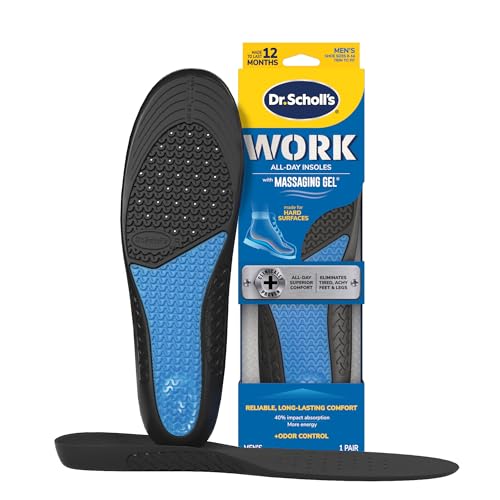
Dr. Scholl's Work All-Day Superior Comfort Insoles (with) Massaging Gel, Men, 1 Pair, Trim to Fit
Check price on Amazon
DWTWLE 4D Cloud Insoles for Men and Women Memory Foam Arch Support Inserts | cloud soles for men,Shock Absorbing, Anti Fatigue, Standing All Day, Work Boots, Sneaker (Black, Men: US 7-11)
Check price on Amazon
Dr. Scholl's Shoe Inserts for Women & Men, Go Without Socks Insoles 3 Pairs | Trim to fit cushioning shoe insoles for women and men, absorbs moisture to keep feet dry with plush terry cloth layer
Check price on Amazon
Shoe Insoles, Memory Foam Insoles, Providing Excellent Shock Absorption and Cushioning for Feet Relief, Comfortable Insoles for Men and Women for Everyday Use, M(US M: 6.5-9/W: 7.5-10)
Check price on Amazon
Dr. Scholl’s Sport Insoles Arch Support Inserts for Men, Shoe Inserts | Gel insoles for men, superior shock absorption, sport insoles for shoes, reduce stress on lower body joints, Men Size 8-14
Check price on Amazon
Amitataha 2 Pairs Breathable Insoles, Super-Soft, Sweat-Absorbent, Double-Colored and Double-Layered Shoe Inserts of Foam that Fit in Any Shoes (Blue/Black, 9.5-12 Women/8-9 Men)
Check price on Amazon
CCSOFTIME Insoles for Men and Women Replacement Shoe Inserts for Comfort Shock Absorption Breathable Shoe Liners for Running Walking, Hiking, Working, Trim to Fit Black W12-15/M10-13
Check price on Amazon
Dr. Scholl's Heavy Duty Support Insole Orthotics, Big & Tall, 200lbs+, Wide Feet, Shock Absorbing, Arch Support, Distributes Pressure, Trim to Fit Inserts, Work Boots & Shoes, Men Size 8-14, 1 Pair
Check price on AmazonFinal Thoughts
Insole replacement is a simple, affordable way to rejuvenate your favorite shoes. By recognizing the signs of wear, choosing the right replacement, and following proper care techniques, you can enjoy improved comfort, better support, and healthier feet. Whether you're refreshing your running shoes, upgrading your work shoes, or simply extending the life of your daily sneakers, a new insole can make all the difference.
Remember to check our shopping and reviews hub for more buying guides, and don't forget to explore our first shoe checklist if you're in the market for a new pair. Your feet will thank you.