
Cushioned Shoes: Ultimate Comfort Guide for Every Step
Discover how the right cushioning technology can transform your daily comfort, reduce impact, and keep you moving effortlessly from morning to night.
EXPLORE THE GUIDEWhy Cushioning Matters: Every step you take sends a shockwave through your feet, ankles, knees, and hips. The right cushioned shoes absorb up to 40% of that impact, protecting your joints and keeping you comfortable mile after mile. Whether you're logging daily miles or standing for hours, understanding cushioning is the key to smarter footwear choices.
What Are Cushioned Shoes and Why Do They Matter?
Cushioned shoes are footwear designed with specialized midsole materials that absorb impact and distribute pressure across your foot. Unlike minimalist or barefoot-style shoes that prioritize ground feel, cushioned shoes focus on shock absorption and plush comfort. They are essential for anyone who spends long hours on their feet, runs on hard surfaces, or simply wants to reduce fatigue throughout the day.
The science behind cushioning is straightforward: when your foot strikes the ground, the force of impact travels up your kinetic chain. Without adequate cushioning, this repetitive stress can lead to plantar fasciitis, shin splints, knee pain, and even lower back discomfort. That's why walking shoes and running shoes are among the most popular categories featuring advanced cushioning technologies. For those who need extra width to accommodate swelling or natural foot shape, wide width shoes with generous cushioning offer a perfect combination of space and support.
Modern cushioned shoes come in many forms. Some use foam-based midsoles like EVA or polyurethane, while others incorporate gel inserts, air pods, or responsive foam blends. The material and build of your shoe's midsole directly determines how soft, responsive, or firm the cushioning feels underfoot. Understanding these differences helps you match your footwear to your specific needs—whether that's all-day standing, high-impact running, or simply navigating daily life with greater ease.
Key Benefits of Wearing Cushioned Shoes
🦶 Impact Absorption
Cushioned midsoles absorb up to 40% of the shock from each footstrike, reducing stress on your joints, muscles, and connective tissues during walking, running, or standing.
⚡ Reduced Fatigue
Plush cushioning minimizes the micro-traumas that accumulate during long periods on your feet, helping you stay energized and comfortable from morning to evening.
🛡️ Joint Protection
By dampening impact forces, cushioned shoes help protect your knees, hips, and lower back—especially important for runners and those with high arches who need extra shock absorption.
👟 Enhanced Comfort
Soft, responsive foam and gel materials conform to your foot's shape, providing a plush, customized feel that makes every step more enjoyable.
Beyond these core benefits, cushioned shoes also play a vital role in injury prevention. Runners who log high mileage on pavement or treadmills benefit enormously from shoes with robust cushioning systems. Similarly, professionals who work on hard floors—nurses, retail workers, warehouse staff—rely on work shoes with superior cushioning to protect their feet and maintain productivity. For those with specific foot concerns, such as flat feet shoes or high arch shoes, cushioning combined with proper arch support can make a world of difference in daily comfort.
Types of Cushioning Technology Explained
Not all cushioning is created equal. The type of cushioning technology in your shoes determines how they feel, how they perform, and who they're best suited for. Here's a breakdown of the most common cushioning systems:
| Cushioning Type | Best For | Feel | Durability |
|---|---|---|---|
| EVA Foam | Everyday walking, casual wear | Soft, lightweight | Moderate |
| Polyurethane (PU) | Work shoes, long-standing | Firm, supportive | High |
| Gel Cushioning | Running, high-impact activities | Plush, responsive | Moderate-High |
| Air Cushioning | Running, cross-training | Bouncy, springy | High |
| Memory Foam | Casual wear, recovery | Plush, conforming | Low-Moderate |
| Responsive Foam | Performance running, training | Balanced, energetic | Moderate-High |
When choosing cushioned shoes, consider how each type aligns with your activities. For example, training shoes often use responsive foam that balances cushioning with stability, while basketball shoes typically feature air or gel units in the heel for impact protection during jumps. If you prefer a more natural feel with moderate cushioning, neutral shoes with EVA foam might be ideal. Meanwhile, those needing maximum support should explore stability shoes that combine cushioning with motion control features.
How to Choose the Right Cushioned Shoes for Your Needs
Selecting the perfect cushioned shoes requires balancing your activity level, foot type, and personal preferences. Start by identifying your primary use case:
For Running: Runners should prioritize shoes with responsive cushioning that returns energy while absorbing impact. Look for models with gel or air units in high-impact zones. If you run on trails, consider running shoes with slightly firmer cushioning for stability on uneven terrain. Your arch support footwear needs will also dictate whether you choose neutral or stability-oriented cushioning.
For Walking: Walking shoes benefit from softer, more flexible cushioning that accommodates the natural rolling motion of your foot. Memory foam and EVA-based midsoles work well here. If you walk long distances, consider cushioned shoes with removable insoles that allow you to customize support. For those with specific foot shapes, exploring wide width shoes or narrow shoes with appropriate cushioning ensures a proper fit.
For Work: Professionals who stand for hours need cushioned shoes that maintain their structure over time. Polyurethane midsoles offer excellent durability without sacrificing comfort. Look for slip-resistant shoes with cushioned insoles if you work in environments where traction is critical. Work shoes designed for specific industries often incorporate specialized cushioning to address unique demands.
Fit is equally important. Even the most advanced cushioning won't help if your shoes don't fit properly. Use our fit measurement guide to determine your true size, and check our fit and sizing hub for comprehensive advice on achieving the perfect fit. Remember that cushioned shoes may feel slightly snug at first but should never cause pain or pressure points.
Cushioned vs. Non-Cushioned Shoes: Which Is Right for You?
The debate between cushioned and minimalist footwear has gained traction in recent years, with advocates on both sides. Understanding the trade-offs helps you make an informed decision:
Cushioned Shoes: Ideal for beginners, runners on hard surfaces, people with joint pain, those who stand for long periods, and anyone seeking maximum comfort. They provide immediate shock absorption, reduce fatigue, and lower injury risk for most casual athletes.
Non-Cushioned Shoes: Preferred by experienced runners seeking ground feel, strength training enthusiasts, and those working on foot strength. They promote natural movement patterns but require gradual adaptation and may not suit everyone.
For most people, a middle ground works best. Lightweight shoes with moderate cushioning offer a balance between protection and ground feel. Similarly, flexible sole shoes provide natural movement while still offering some impact absorption. If you're transitioning from cushioned to minimalist shoes, do so gradually and consider breathable shoes with moderate cushioning as an intermediate step. Those with existing foot conditions should consult a professional before making significant changes to their footwear. Our break-in guide offers tips for adapting to new shoes safely.
Cushioned Shoes for Specific Foot Conditions
Cushioning isn't just about comfort—it's a therapeutic tool for managing various foot conditions. If you have flat feet, high arches, or other concerns, the right cushioned shoes can significantly improve your quality of life.
People with flat feet shoes often benefit from cushioned shoes with added arch support and motion control. The cushioning compensates for the lack of natural shock absorption that flat feet typically provide. Conversely, those with high arch shoes need maximum cushioning because their foot structure doesn't distribute impact effectively—cushioning becomes a critical protective layer.
For individuals with diabetes or circulation issues, cushioned shoes with seamless interiors and soft materials reduce the risk of pressure sores and irritation. Padded collar shoes add extra comfort around the ankle, while breathable shoes help manage moisture. If you need customized support, explore arch support footwear that combines cushioning with targeted structural reinforcement. For children, kids shoe sizes with proper cushioning support healthy foot development, while adults should reference women shoe sizes or men shoe sizes to ensure accurate fit.
Frequently Asked Questions About Cushioned Shoes
How do I know if my shoes have enough cushioning?
A simple test: press your thumb into the midsole. If it feels firm with little give, the cushioning may be worn out or insufficient. New cushioned shoes should feel plush yet supportive—you shouldn't be able to feel the ground through the sole when standing.
Another indicator is how your feet feel after a long day. If you experience persistent foot fatigue, heel pain, or joint discomfort, your current shoes likely lack adequate cushioning for your activity level.
Do cushioned shoes make your feet weaker?
There is some debate on this topic. While minimal footwear can strengthen foot muscles over time, cushioned shoes provide essential protection for most people, especially those who walk or run on hard surfaces. The key is balance: moderate cushioning combined with occasional barefoot activities can maintain foot strength while providing necessary shock absorption.
For most individuals, the benefits of cushioning—reduced impact, less fatigue, joint protection—outweigh potential concerns about foot strength. If you're worried, consider alternating between cushioned and less-cushioned shoes.
How often should I replace cushioned shoes?
Most cushioned shoes lose their shock-absorbing properties after 300–500 miles of running or 6–12 months of regular walking. Signs it's time to replace include visible midsole compression, wrinkles in the foam, and increased foot or joint pain.
If you wear your shoes daily for work, plan to replace them every 6–9 months. Rotating between two pairs can extend the life of each and give the foam time to recover between wears.
Are cushioned shoes good for plantar fasciitis?
Yes, cushioned shoes are often recommended for plantar fasciitis because they reduce stress on the plantar fascia ligament. Look for shoes with cushioning in the heel and arch support. Heel cups and orthotic insoles can further enhance comfort.
However, cushioning alone isn't a cure. Stretching, proper rest, and consulting a healthcare professional are essential components of treatment. For shoe-specific support, explore arch support footwear designed for therapeutic comfort.
Can I add cushioning to shoes that aren't cushioned enough?
Absolutely. Aftermarket insoles and inserts can add significant cushioning to almost any shoe. Gel inserts, memory foam insoles, and heel cups are popular options. If your shoes have removable insoles, replacing them with cushioned alternatives is the easiest upgrade.
For a more permanent solution, consider insole replacement with high-quality cushioned products. This is a cost-effective way to extend the life and comfort of your favorite footwear.
Top Cushioned Shoes for Maximum Comfort
⚠️ AFFILIATE DISCLOSURE: This website contains affiliate links. As an affiliate Associate, we earn from qualifying purchases. If you make a purchase through these links, we may receive a small commission at no additional cost to you. Read our full affiliate policy.

Skechers Women's Max Cushioning Endeavour Canova Sneaker, Blue/Multi, 10 Wide
Check price on Amazon
CHRXEE Mens Air Cushion Running Shoes Breathable Workout Casual Walking Sneakers Basketball Fashion Tennis Gym Sport Trainers
Check price on Amazon
Skechers Men's Contour Foam Cozy Fit Hands Free Slip-in Sneaker,White/Navy,10.5 Wide
Check price on Amazon
Under Armour Men's Charged+ Assert 11 4E, 002 Black, 15
Check price on Amazon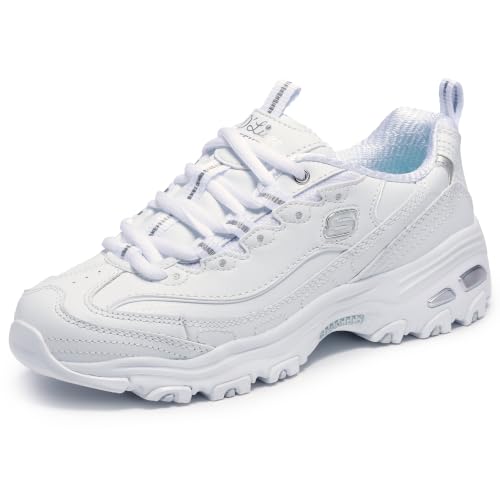
Skechers Sport womens D'LITES FRESH START Memory Foam Lace-up Sneaker,White Silver,8.5 M US
Check price on Amazon
Under Armour Men's Charged+ Assert 11 4E, 001 Black, 10.5
Check price on Amazon
DWTWLE 4D Cloud Insoles for Men and Women Memory Foam Arch Support Inserts | cloud soles for men,Shock Absorbing, Anti Fatigue, Standing All Day, Work Boots, Sneaker (Black, Men: US 7-11)
Check price on Amazon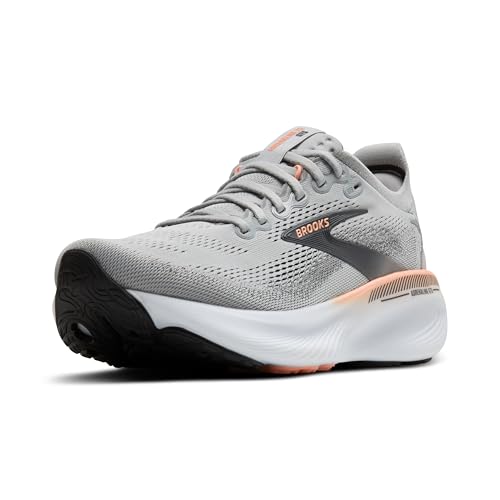
Brooks Women’s Adrenaline GTS 25 Supportive Running & Walking Shoe - Grey/Blackened Pearl/Coral - 9 Medium
Check price on AmazonMaking the Right Choice for Your Feet
Cushioned shoes are more than a comfort feature—they're an investment in your daily well-being. From reducing joint stress to combating fatigue, the right cushioning transforms how you experience every step. Whether you're a runner logging early morning miles, a professional standing through long shifts, or someone who simply wants to walk through life more comfortably, understanding cushioning technology empowers you to choose wisely.
Remember to consider your activity level, foot type, and specific needs when selecting cushioned shoes. Pair cushioning with proper fit by consulting our fit and sizing hub and using our fit measurement guide. If you're new to buying shoes, our first shoe checklist provides a comprehensive starting point. And if you're looking for ways to protect your investment, explore our shoe care and repair hub for tips on extending the life of your cushioned footwear.
Your feet carry you thousands of steps every day. Give them the cushioning they deserve, and they'll keep you moving comfortably for years to come. Ready to find your perfect pair? Browse our recommended cushioned shoes above and take the first step toward unparalleled comfort.