
Flat Feet Shoes: The Complete Guide to Supportive Footwear
Find the best shoes for flat feet with proper arch support, stability, and cushioning. Learn how to choose footwear that reduces pain and keeps you comfortable all day.
SHOP FLAT FEET SHOESUnderstanding Flat Feet: Flat feet (pes planus) affect millions of adults worldwide. When the arch of your foot collapses, it can lead to overpronation, joint pain, and discomfort. The right pair of shoes can make a significant difference in how you feel throughout the day. This guide will help you understand what to look for and how to choose the best footwear for your needs.
What Are Flat Feet and Why Do They Matter?
Flat feet occur when the arch of the foot is low or absent, causing the entire sole to come into contact with the ground when standing. This condition affects approximately 20-30% of the population and can be hereditary or develop over time due to injury, aging, or repetitive stress. For people with flat feet, choosing the right footwear is not just a matter of style—it is a matter of comfort and joint health.
When you have flat feet, your feet tend to roll inward excessively (overpronation) during walking or running. This misalignment can cause a chain reaction of problems throughout the body, including ankle pain, knee pain, hip discomfort, and even lower back issues. That is why selecting shoes with proper arch support footwear is essential for managing this condition.
Fortunately, the footwear industry has recognized the needs of people with flat feet. Today, there is a wide range of shoes designed specifically for flat feet, from casual sneakers to performance running shoes and even formal leather shoes. The key is knowing what features to look for and how to evaluate your options.
Key Features to Look for in Flat Feet Shoes
Not all shoes are created equal when it comes to supporting flat feet. Here are the essential features you should prioritize when shopping for footwear:
Arch Support
A firm, well-structured arch support helps prevent overpronation and reduces strain on the plantar fascia.
Stability Control
Look for shoes with medial posting or dual-density midsoles to control inward rolling of the foot.
Deep Heel Cup
A deep heel cup keeps the foot properly aligned and prevents excessive side-to-side movement.
Proper Width
Flat feet often require wide width shoes to accommodate the spread of the foot.
Cushioning
Responsive cushioned shoes absorb impact and reduce stress on joints during walking.
Secure Fit
A snug midfoot and heel lock prevent slipping and keep the foot stable during movement.
Additionally, consider shoes with removable insoles so you can replace them with custom orthotics if needed. Features like padded collar shoes also enhance comfort by reducing friction around the ankle.
Best Shoe Types for Flat Feet
Different activities call for different types of footwear. Here is a breakdown of the best shoe categories for people with flat feet:
1. Stability and Motion Control Running Shoes
For runners and walkers with flat feet, stability shoes are the gold standard. These shoes feature medial support to reduce overpronation and are built on a straighter last to provide a stable platform. Many running shoes designed for flat feet also include guide rails or denser foam on the inner side of the midsole.
2. Walking Shoes with Arch Support
For everyday walking, walking shoes with firm arch support and a rocker sole can reduce fatigue and improve gait efficiency. Look for shoes that offer a balance of cushioning and stability without being overly rigid.
3. Cross-Training and Gym Shoes
Training shoes provide lateral stability for gym workouts, weightlifting, and cross-training. A firm heel and stable base are particularly important for flat-footed individuals who need extra support during dynamic movements.
4. Casual Sneakers with Support
Not all casual shoes are bad for flat feet. Many modern sneakers incorporate arch support and cushioned midsoles, making them suitable for daily wear. Brands like Brooks, ASICS, and New Balance are known for their supportive casual options.
5. Work and Safety Shoes
If you spend long hours on your feet, work shoes with arch support and shock absorption are essential. For industrial environments, safety shoes with steel toe or composite toe protection can be paired with supportive insoles for all-day comfort.
6. Dress Shoes and Formal Footwear
Finding formal shoes for flat feet can be challenging, but options exist. Oxford shoes and derby shoes with cushioned insoles and arch support inserts can work well. Loafers with a stable sole are another option for business casual settings.
How Much Should You Expect to Pay?
Price Ranges for Flat Feet Shoes
Budget-Friendly: $40–$80 — Entry-level options with basic arch support. Good for occasional wear.
Mid-Range: $80–$150 — The sweet spot for most people. Better materials, more advanced support technologies, and improved durability.
Premium: $150–$250 — Top-tier stability shoes with premium cushioning, advanced motion control, and superior build quality.
Luxury and Custom: $250+ — Custom orthotics, bespoke shoes, or high-end therapeutic footwear.
For most people with flat feet, investing in the $80–$150 range offers the best balance of support, comfort, and value. Remember that replacing your shoes every 300–500 miles (or every 6–12 months for daily wear) is important to maintain proper support.
How to Choose the Right Flat Feet Shoes
Follow these steps to find the perfect pair for your needs:
- Get professionally measured: Your foot size can change over time. Visit a shoe store to get accurate measurements, especially for width. Check our fit measurement guide for tips.
- Shop at the end of the day: Feet tend to swell throughout the day, so try on shoes in the afternoon or evening for the best fit.
- Test the arch support: Press your thumb into the arch area of the insole. It should feel firm, not mushy. A good arch support will resist compression.
- Check the heel counter: The back of the shoe should be firm and rigid. Squeeze it—if it collapses easily, it will not provide adequate stability.
- Look for removable insoles: This allows you to replace the factory insole with custom orthotics or a higher-support aftermarket insole.
- Try the twist test: Hold the shoe at the heel and toe and twist. It should have some flexibility in the forefoot but resist twisting in the midfoot.
- Walk around: Always walk in the shoes before buying. Your heel should not slip, and your toes should have room to move.
- Consider your activity: A shoe for running has different requirements than one for standing all day. Be specific about your primary use case.
If you are unsure about your foot type, consult a podiatrist or footwear specialist. They can assess your gait and recommend specific shoe models or orthotics. For more general guidance, explore our shoe categories overview and fit and sizing hub.
Best Shoes for Flat Feet
⚠️ AFFILIATE DISCLOSURE: This website contains affiliate links. As an affiliate Associate, we earn from qualifying purchases. If you make a purchase through these links, we may receive a small commission at no additional cost to you. Read our full affiliate policy.

FitVille Wide Walking Shoes for Men Extra Wide Width Sneakers with Arch Support for Flat Feet Heel Pain Relief Plantar Fasciitis - Rebound NEO V1
Check price on Amazon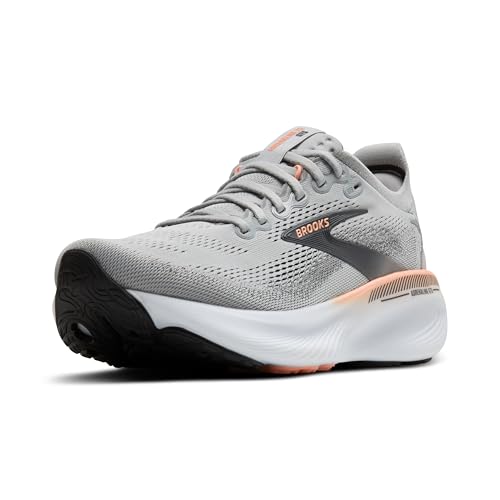
Brooks Women’s Adrenaline GTS 25 Supportive Running & Walking Shoe - Grey/Blackened Pearl/Coral - 9 Medium
Check price on Amazon
New Balance Women's 608 V5 Casual Comfort Cross Trainer, White/Light Blue, 9 Wide
Check price on Amazon
RUFONE Hiking Barefoot Shoes for Women Men Breathable & Non-Slip Athletic Footwear Wide Toe Water Shoes,Designed for Walking,Running&Swimming White
Check price on Amazon
Dr. Scholl’s Flat Feet Support Insoles for Men, Size 8-14: Immediately Relieve Discomfort, Cradle Feet & Improve Ankle Alignment, Due to Overpronation, Low & Fallen Arches, Reduces Lower Body Stress
Check price on Amazon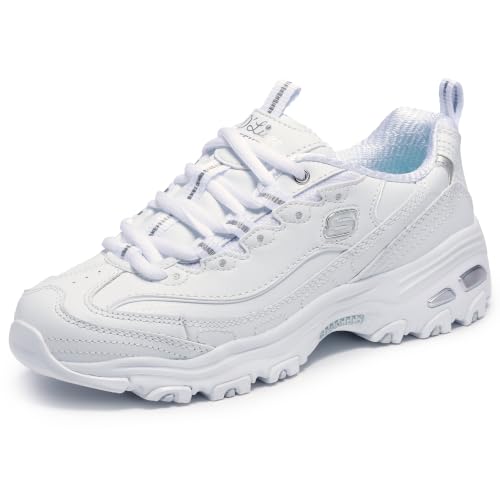
Skechers womens D'lites Fresh Start Wide Fashion Sneaker, White, 8.5 Wide US
Check price on AmazonFrequently Asked Questions About Flat Feet Shoes
Can flat feet be fixed with shoes?
Shoes cannot permanently "fix" flat feet, but the right footwear can significantly reduce pain and prevent secondary issues like knee and hip problems. Supportive shoes and orthotics help align the foot and distribute pressure more evenly.
Are running shoes good for flat feet?
Yes, but not all running shoes are suitable. Look for stability or motion control running shoes specifically designed for overpronation. Neutral running shoes may lack the support needed for flat feet.
Do I need custom orthotics for flat feet?
Not necessarily. Many people with flat feet find relief with over-the-counter insoles or shoes with built-in arch support. However, if you have severe pain or a significant structural issue, custom orthotics from a podiatrist may be beneficial.
How often should I replace my flat feet shoes?
Replace your shoes every 300–500 miles of walking or running, or every 6–12 months for daily wear. Worn-out shoes lose their supportive properties and can exacerbate pain.
Can I wear minimalist or barefoot shoes with flat feet?
Minimalist shoes are generally not recommended for people with flat feet, as they lack the arch support and cushioning needed to manage overpronation. Stick with structured, supportive footwear for best results.
What is the difference between flat feet and overpronation?
Flat feet refers to the structure of the foot (low or absent arch), while overpronation is the functional result—the excessive inward rolling of the foot during movement. Many people with flat feet also overpronate, but not all.
Ready to Find Your Perfect Pair?
Explore our recommended selection of shoes designed specifically for flat feet. With proper support, you can enjoy greater comfort and reduce pain throughout the day.
SHOP FLAT FEET SHOES NOWRelated Resources
Continue your research with these helpful guides:
- Arch Support Footwear Guide — Learn how arch support works and why it matters.
- Stability Shoes Explained — Understand stability technologies and how they help.
- Overpronation Guide — If you have flat feet, you likely overpronate. Learn more here.
- Wide Width Shoes — Flat feet often require wider footwear for proper fit.
- Insole Replacement Guide — How to upgrade your shoes with better insoles.
- Break-In Guide — How to properly break in new shoes without discomfort.
- Shoe Care & Repair Hub — Extend the life of your supportive shoes.
- First Shoe Checklist — A comprehensive checklist for buying new shoes.