
Work Shoes Buying Guide: Safety, Comfort & Durability
Everything you need to know before buying work shoes. From safety toe options to slip resistance, comfort features, and material durability — make an informed decision for your job and environment.
Browse Recommended Work ShoesWhy Work Shoes Matter: Your work shoes are more than just footwear — they are essential safety equipment and a critical factor in your daily comfort. The right pair can prevent injuries, reduce fatigue, and keep you productive throughout long shifts. This guide walks you through every feature you need to evaluate before making a purchase.
Recommended Work Shoes & Safety Footwear
⚠️ AFFILIATE DISCLOSURE: This website contains affiliate links. As an affiliate Associate, we earn from qualifying purchases. If you make a purchase through these links, we may receive a small commission at no additional cost to you. Read our full affiliate policy.

Skechers Men's Cankton Steel Toe Construction Shoe - Electrical Hazard Rated, Memory Foam, Black/Charcoal, 12 Wide
Check price on Amazon
Steel Toe Shoes for Men Women , Black Work Shoes, Men Size 6 / Women 7.5 | Indestructible Comfortable Safety Sneakers, Lightweight Breathable Construction Shoes, Puncture Proof Ergonomic Design
Check price on Amazon
Skechers Men's Respected Boswell Boot - Cdb - 10.5 Medium
Check price on Amazon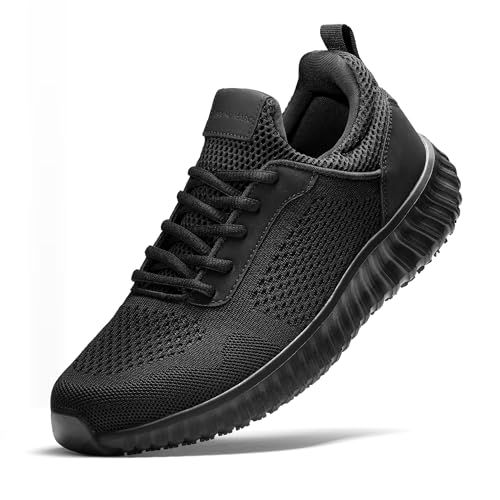
Bruno Marc Men's Non Slip Work Shoes,Black,12 | Walking Slip Resistance Food Service Chef Kitchen Restaurant Sneakers Comfortable Lightweight
Check price on Amazon
IQYNAM Slip Resistant Work Shoes for Men Women Tennis Workout Gym Black 12 | Breathable,Comfortable,Slip on Sneakers,Running,Athletic,Sport,Walking,Standing,Zapatos,Unisex
Check price on Amazon
Columbia Men's Transverse Waterproof Hiking Boot | Fully Waterproof, High Traction, Lightweight, Wide Fit Available
Check price on Amazon
Steel Toe Shoes for Men & Women Work Shoes Women Safety Toe Sneakers Unisex | All Black, Lightweight, Breathable, Arch Fit, Comfortable, Construction, Manufacturing,Garden , Garage, Running, Factory
Check price on Amazon
Hogent Steel Toe Shoes for Men, Cushioned Safety Work Sneakers Carbon Black | KEVLAR Midsole, Breathable Mesh Upper, Memory Foam Insole, Air Cushion Support, Construction, Warehouse, Industrial Work
Check price on AmazonWhat Are Work Shoes and Why Do They Matter?
Work shoes are a specialized category of footwear designed to meet the demands of specific occupations and environments. Unlike casual sneakers or everyday walking shoes, work shoes prioritize protection, durability, and support over pure fashion. They are engineered to handle hazards such as heavy objects, slippery surfaces, electrical risks, and prolonged standing.
Whether you work in construction, healthcare, warehousing, hospitality, or manufacturing, the right work shoes can significantly reduce the risk of workplace injuries. According to occupational safety research, foot injuries account for a substantial percentage of workplace accidents — many of which are preventable with proper footwear. Beyond safety, work shoes also contribute to long-term foot health by providing adequate arch support, cushioning, and shock absorption.
Choosing the wrong work shoes can lead to blisters, plantar fasciitis, knee pain, and chronic back problems. That is why understanding the key features — toe protection, slip resistance, material construction, and fit — is essential before you buy. If you are unsure about your foot type or size, our fit and sizing hub and fit measurement guide can help you get accurate measurements before shopping.
Key Features to Evaluate in Work Shoes
Toe Protection
The most critical safety feature. Steel toe shoes offer maximum impact resistance but are heavier. Composite toe shoes are lighter and non-metallic, ideal for electrical environments. Reinforced toe shoes provide moderate protection for lighter-duty tasks.
Slip Resistance
Essential for kitchens, hospitals, and wet environments. Slip-resistant shoes use specialized rubber compounds and tread patterns to maintain traction on oily, wet, or icy surfaces. Look for shoes tested to ASTM F2913 or similar standards.
Comfort & Cushioning
Long shifts demand cushioned shoes with proper arch support. Arch support footwear helps prevent fatigue and pain. Padded collar shoes reduce ankle irritation, while breathable shoes keep feet dry during physical activity.
Material & Durability
Leather shoes offer the best durability and water resistance. Mesh shoes provide breathability for indoor work. Water-resistant shoes and abrasion-resistant shoes are essential for outdoor or heavy-duty roles.
Sole Construction
Rubber sole shoes provide excellent grip and shock absorption. EVA sole shoes are lightweight and comfortable. Welted construction shoes and stitched shoes offer superior durability and repairability.
Fit & Width
Work shoes must fit properly to provide protection. Wide width shoes and extra wide shoes accommodate broader feet, while narrow shoes suit slimmer feet. Use our men shoe sizes or women shoe sizes guides for accurate sizing.
Types of Work Shoes by Occupation
Different jobs demand different types of protective footwear. Understanding your specific work environment is the first step toward choosing the right pair. Here is a breakdown of the most common categories:
| Type | Best For | Key Features | Typical Price Range |
|---|---|---|---|
| Safety Shoes | Construction, manufacturing, heavy industry | Steel/composite toe, puncture-resistant sole, electrical hazard protection | $80–$200 |
| Slip-Resistant Shoes | Kitchens, hospitals, food service, cleaning | Specialized rubber outsole, oil-resistant, water-resistant | $50–$150 |
| Steel Toe Shoes | Construction, warehousing, heavy equipment | Steel toe cap, impact resistance, durable leather upper | $70–$180 |
| Composite Toe Shoes | Electrical work, airports, light industry | Non-metallic toe, lightweight, metal-detector friendly | $80–$200 |
| Soft Toe Work Shoes | Retail, hospitality, light duty | Comfort-focused, casual look, no toe cap | $40–$120 |
Pros and Cons of Different Work Shoe Features
Advantages of Quality Work Shoes
- Superior protection against impact, compression, and punctures
- Reduced risk of slips, trips, and falls
- Better foot support reduces fatigue during long shifts
- Durable materials last longer than casual footwear
- Compliance with workplace safety regulations
- Improved posture and reduced strain on knees and back
Potential Drawbacks to Consider
- Heavier than regular shoes, especially steel toe models
- Higher upfront cost compared to casual footwear
- Requires a break-in period for maximum comfort
- Limited style options for fashion-conscious buyers
- Can feel hot or less breathable in warm environments
- Replacement needed more frequently in high-wear jobs
How to Choose the Right Work Shoes
Selecting the perfect pair of work shoes involves more than just trying them on. Follow these steps to ensure you make a confident, informed purchase:
- Identify your work environment: Are you exposed to heavy objects, slippery surfaces, electrical hazards, or extreme temperatures? This determines the level of protection you need.
- Check safety standards: Look for ASTM F2413 certification for safety toe footwear, or ASTM F2913 for slip resistance. These ensure the shoes meet recognized performance benchmarks.
- Measure your feet properly: Feet change over time. Use our fit measurement guide and refer to our international size chart or half size guide for accuracy.
- Prioritize comfort features: Look for cushioned shoes, arch support, and padded collars if you stand or walk for hours.
- Consider the material: Choose leather for durability and water resistance, or mesh for breathability in indoor environments.
- Check the sole: Rubber soles offer grip, while EVA soles provide lightweight cushioning. For repairability, consider welted construction.
- Test the fit: Ensure there is enough room in the toe box, especially if using steel toe or composite toe models. Your heel should not slip, and the arch should align with your foot.
- Break them in gradually: Follow our break-in guide to avoid blisters and discomfort during the first week.
Caring for Your Work Shoes
Proper maintenance extends the life of your work shoes and ensures they continue to protect you effectively. Here are essential care practices:
- Clean regularly: Remove dirt and debris after each shift. Use our leather cleaning or canvas cleaning guides for material-specific instructions.
- Protect against water: Apply waterproofing treatments and shoe guard sprays to maintain water resistance.
- Control odor: Use odor control products and shoe deodorizing methods to keep feet fresh.
- Manage moisture: Allow shoes to dry completely between shifts. Consider moisture control inserts for humid environments.
- Repair promptly: Address worn soles with sole replacement and damaged heels with heel repair before damage worsens.
- Replace insoles: Use our insole replacement guide to refresh cushioning and support.
- Store properly: Use shoe storage covers to protect from dust and damage when not in use.
Frequently Asked Questions About Work Shoes
How often should I replace my work shoes?
Most work shoes should be replaced every 6 to 12 months, depending on your job intensity and hours worked. Signs it is time for a new pair include worn-out treads, compressed cushioning, visible damage to the toe cap, and persistent foot pain despite proper fit.
Are steel toe shoes better than composite toe shoes?
Neither is universally better — it depends on your needs. Steel toe shoes offer maximum impact protection and are more affordable, but they are heavier and can conduct electricity. Composite toe shoes are lighter, non-metallic, and ideal for electrical environments, though they may be more expensive.
Can I use regular insoles in my work shoes?
Yes, but choose insoles designed for work footwear. Look for cushioned insoles with arch support. If your shoes have a safety toe, ensure the insole does not push your foot forward into the toe cap. Our insole replacement guide covers this in detail.
How do I know if my work shoes fit properly?
Proper fit means: your heel stays in place without slipping, your toes have about half an inch of room in front, the widest part of your foot aligns with the widest part of the shoe, and you can wiggle your toes comfortably. If you have wide feet or flat feet, look for shoes designed for your foot shape.
What is the best material for work shoes?
Leather is the most durable and water-resistant option for heavy-duty work. For indoor or warm environments, mesh and knit materials offer superior breathability. Water-resistant treatments can enhance any material's performance.
Ready to Find Your Perfect Work Shoes?
Explore our recommended selection of top-rated work shoes and safety footwear from trusted brands.
View Recommended Work ShoesRelated Guides and Resources
Continue your research with these helpful guides:
- First Shoe Checklist — A comprehensive checklist for first-time buyers.
- Feature Glossary — Understand technical terms before you shop.
- Spec Comparison — Compare features across different models.
- Budget-Friendly Shoes — Affordable options that do not compromise safety.
- Best Value Guide — Get the most protection for your money.
- Shoe Care & Repair Hub — Everything you need to maintain your work shoes.