
Comfortable Water Shoes for Walking: The Complete Guide
Whether you're strolling along a rocky beach, wading through a river, or exploring a coastal trail, the right water shoes make every step comfortable and safe. Discover how to choose the perfect pair for your next adventure.
SEE TOP PICKSWhy Water Shoes Matter: Ordinary sneakers trap water, become heavy, and lose grip when wet. Water shoes are specifically designed with drainage, quick-drying materials, and specialized outsoles to keep you comfortable and stable on wet surfaces. For walkers who split their time between land and water, the right pair is essential.
Best Comfortable Water Shoes for Walking
⚠️ AFFILIATE DISCLOSURE: This website contains affiliate links. As an affiliate Associate, we earn from qualifying purchases. If you make a purchase through these links, we may receive a small commission at no additional cost to you. Read our full affiliate policy.

SEEKWAY Water Shoes for Women Adult Quick-Dry Aqua Sock Barefoot Men for Beach Swim River Pool Lake Hiking Kayaking Surfing Gradient Dark Grey
Check price on Amazon
ITLXJR Water Shoes for Men and Women, Barefoot Aqua Socks, Wide Fit Beach Swimming Pool Shoes, Anti-Slip Outdoor Walking Hiking Kayaking Diving Surfing (Beige, Adult, Men, 7.5, Numeric, US Footwear Size System, Medium)
Check price on Amazon
Water Shoes Mens Women Barefoot Shoes Quick-Dry Aqua Outdoor Sports for Swim Pool Beach Surf Walk Water Yoga River Lake Hiking Kayaking
Check price on Amazon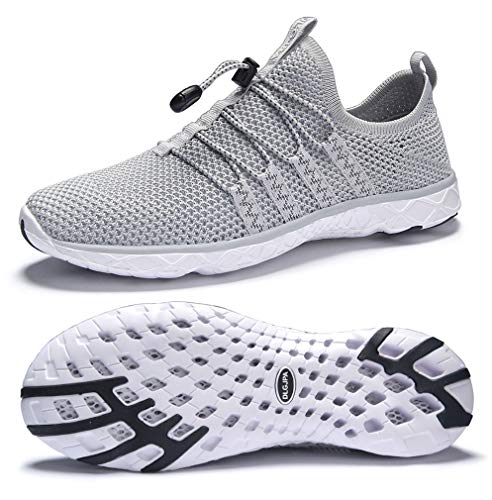
DLGJPA Men's Quick Drying Water Shoes for Beach or Water Sports Lightweight Slip On Walking Shoes LightGray 10
Check price on Amazon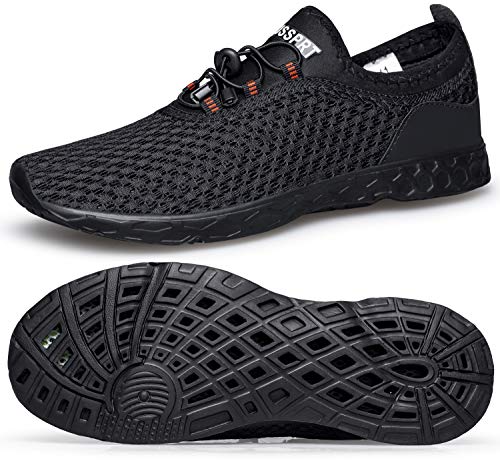
DOUSSPRT Men's Water Shoes Quick Dry for Beach Swim Pool Fishing Allblack | Adult Breathable Summer Walk Aqua Sandals for River Athletic Boating Kayaking Diving Sport AllBlack Size 10.5
Check price on Amazon
KOLILI Women's Lightweight Water Shoes for Swimming, Quick Drying Water Aerobics Shoe, Arch Support Aqua Shoes for Surfing, Woman Slip on Walking Sneaker for Outdoor White/Aqua 7.5
Check price on Amazon
WHITIN Women's Multi-Purpose Feather Water Shoes Green 9
Check price on Amazon
Stelle Womens Water Shoes for Men Adult Aqua Shoes for Swim River(WT,7MW) | Hiking Beach Boat Pool Quick-Dry Mesh Barefoot Non-Slip Rubber Outsole Lightweight Easy-On Pull Tabs Water Sports
Check price on AmazonWhat Makes a Water Shoe Comfortable for Walking?
Not all water shoes are created equal. A pair that feels fine for a quick dip may cause blisters, fatigue, or slips during a longer walk. Here are the key features to look for when comfort is your top priority:
💧 Superior Drainage
Look for mesh panels, perforated midsoles, and drainage ports that let water escape quickly. Shoes that hold water become heavy and create friction, leading to discomfort on longer walks.
🦶 Secure, Snug Fit
A comfortable water shoe should hug your foot without pinching. Adjustable bungee laces or hook-and-loop straps let you customize the fit. Remember that feet swell in water, so choose a design with some give.
🛡️ Protective Toe Cap
When walking on rocky beaches or riverbeds, a reinforced toe bumper protects against stubs and scrapes. This is especially important if you plan to walk on uneven, debris-covered terrain.
🧗 Reliable Grip
Wet rocks and slippery docks demand an outsole with deep, multidirectional treads. Rubber compounds designed for wet traction are essential for safety and confidence with every step.
☁️ Cushioned Midsole
If you're walking long distances, a thin, flat sole won't cut it. Look for water shoes with EVA or memory foam midsoles that absorb impact without absorbing water.
🌬️ Quick-Drying Materials
Neoprene, polyester mesh, and synthetic leather dry fast and resist odor. Avoid cotton or heavy leather, which stay wet and can cause chafing during extended wear.
Types of Water Shoes for Different Walking Conditions
The ideal water shoe depends on where you'll be walking. Here's a breakdown of the most common styles and their best use cases:
| Type | Best For | Key Features | Comfort Consideration |
|---|---|---|---|
| Aqua Socks / Barefoot Water Shoes | Beach walks, paddleboarding, light water aerobics | Ultra-light, flexible, minimal sole | Great for short walks; limited support for long distances |
| Water Sneakers | Coastal trails, rocky riverbeds, long beach walks | Cushioned midsole, drainage mesh, grippy outsole | Best all-around comfort for walking on mixed terrain |
| Water Sandals | Wet trails, creek crossings, casual walks | Open design, adjustable straps, arch support | Excellent breathability; toe protection varies |
| Hybrid Water Hiking Shoes | Technical trails with water crossings, canyoneering | Aggressive tread, toe cap, robust construction | Maximum protection; slightly heavier than other types |
💡 Pro Tip: If you plan to walk long distances on both wet and dry surfaces, consider a comfortable white shoe for walking designed for versatility. Many modern water shoes blur the line between aqua footwear and lightweight trail sneakers. For those who need extra support, pairing your water shoes with cushion and arch support insoles can make a world of difference during long walks. And if you're looking for footwear that transitions seamlessly from water to town, check out our guide to stylish walking sneakers for travel.
How to Choose the Right Fit for Comfort
Fit is the single most important factor in comfort. A water shoe that's too tight will cause blisters; one that's too loose will slip and rub. Follow these guidelines:
- Measure your feet at the end of the day when they're at their largest. If you'll be walking in warm conditions, feet can swell even more.
- Leave a thumbnail's width between your longest toe and the front of the shoe. This prevents toe bang when walking downhill or on uneven terrain.
- Consider the sock question. Most people wear water shoes barefoot, but if you prefer socks, choose a thin, quick-drying pair and size up accordingly.
- Test the heel hold. Your heel should not lift out of the shoe when you walk. A secure heel prevents friction and blisters.
- Check the width. If you have wide feet, look for water shoes specifically designed with a roomier toe box. Our guide to casual wide toe box shoes for women offers helpful insights that apply to water footwear as well.
Top Features to Prioritize for Walking Comfort
When comparing water shoes, keep these features at the top of your checklist:
🔒 Adjustable Closure System
Bungee laces with a toggle or hook-and-loop straps allow you to dial in the perfect fit. This is especially important if your feet swell or if you'll be wearing the shoes for hours at a time.
🦠 Antimicrobial Treatment
Water shoes are prone to odor because they stay damp. Look for models with antimicrobial linings or treatments that inhibit bacteria and fungus growth.
📏 Removable Insole
A removable insole lets you replace it with your own orthotic or a more cushioned option. This is a game-changer for walkers with specific foot support needs.
⚖️ Lightweight Construction
Heavy water shoes tire your legs quickly. Aim for a pair that weighs under 10 ounces per shoe. Lightweight materials also dry faster and pack more easily for travel.
Caring for Your Water Shoes
Proper care extends the life of your water shoes and keeps them comfortable for longer. Follow these simple steps:
- Rinse after every use. Salt water, sand, and river silt can degrade materials. A quick rinse with fresh water prevents buildup.
- Air dry away from direct heat. Never put water shoes in a dryer or leave them in direct sunlight for extended periods, as this can warp soles and shrink materials.
- Stuff with newspaper. To speed drying and maintain shape, stuff damp shoes with crumpled newspaper and change it every few hours.
- Clean regularly. Use a mild soap and soft brush to remove stubborn dirt. For more detailed cleaning methods, see our mesh cleaning guide.
- Store properly. Keep water shoes in a cool, dry place. Avoid leaving them in a gym bag or car trunk where they can stay damp and develop odors.
Frequently Asked Questions
Can I wear water shoes for everyday walking?
Yes, but with caveats. Water shoes are designed for wet environments and may not provide enough support or durability for daily walks on pavement. However, hybrid models that blend water shoe drainage with sneaker cushioning can work well for light everyday use, especially in warm weather. If you need a dedicated walking shoe for dry conditions, consider a lightweight walking sneaker for women instead.
Are water shoes good for people with arch support needs?
Many water shoes lack built-in arch support, but you can find models with removable insoles that accommodate orthotics. If you have flat feet or high arches, look for water shoes with a contoured footbed or plan to insert your own arch support. Our guide to comfortable shoes with arch support offers additional recommendations that can apply to water footwear.
How do I prevent blisters when walking in water shoes?
Blisters come from friction and moisture. To prevent them: ensure a snug but not tight fit, choose shoes with seamless linings, wear them barefoot or with moisture-wicking socks, and gradually break them in before long walks. Applying an anti-chafing balm to hot spots can also help.
Can I use water shoes for hiking?
For hikes that involve frequent water crossings or walking along streams, hybrid water hiking shoes are an excellent choice. They offer better traction and protection than standard water shoes. However, for dry, technical trails, a dedicated podiatrist-recommended hiking shoe is a safer and more supportive option.
What is the price range for comfortable water shoes?
You can find decent water shoes for around $25–$50. Mid-range options with better cushioning and durability typically cost $50–$90. Premium water shoes with advanced drainage systems and superior materials can run $90–$150. For most walkers, the $50–$80 range offers the best balance of comfort, durability, and value.
Final Thoughts: Walk Comfortably in Any Water Environment
Choosing the right comfortable water shoes for walking comes down to understanding your environment and your feet. Prioritize drainage, secure fit, and adequate cushioning. Whether you're exploring tide pools, walking along a riverbank, or traveling to a tropical destination, the right pair will keep you moving comfortably and confidently. Use the recommendations above as your starting point, and don't be afraid to try on several pairs before committing. Your feet will thank you.