
Getting Started: Your Beginner's Guide to Shoes
New to the world of footwear? This step-by-step guide will walk you through everything you need to know — from measuring your feet to choosing your first pair with confidence.
Start LearningWhy This Guide Exists: Buying shoes shouldn't be intimidating. Whether you're replacing a worn-out pair or building your first proper shoe collection, understanding the fundamentals — fit, category, material, and budget — will save you money, time, and discomfort. This guide distills years of footwear knowledge into a practical starting point.
Welcome to Your Shoe Journey
Buying shoes is one of those things we all do, yet few of us do it well. Most people walk into a store, grab something that looks nice in their usual size, and hope for the best. The result? Blisters, premature wear, and a closet full of shoes that never quite feel right. This getting started guide is here to change that.
The truth is, the "perfect shoe" isn't a single product — it's a match between your foot anatomy, your lifestyle, and the intended use. A shoe that's perfect for a marathon runner is useless for someone standing on a factory floor for ten hours. A beautiful pair of Oxford shoes won't serve you well on a hiking trail. The key is understanding the variables before you spend your money.
In this guide, we'll cover the essential steps: measuring your feet properly, understanding shoe categories, choosing the right materials, setting a realistic budget, and caring for your investment. By the end, you'll have a clear framework for making smart footwear decisions for years to come.
Your 6-Step Shoe Buying Framework
Measure Your Feet
Your shoe size isn't a fixed number — it changes over time. Learn how to measure both length and width accurately at home.
Read the Fit Measurement Guide →Know Your Foot Type
Flat feet, high arches, and neutral feet all need different support. Identify your foot type to narrow down your options.
Explore Arch Support Footwear →Choose a Category
Running, casual, formal, or work? Each category serves a distinct purpose. Match the shoe to the activity.
See the Shoe Categories Overview →Understand Materials
Leather, mesh, canvas, or knit? Material affects breathability, durability, and comfort. Learn what suits your climate.
Visit the Material & Build Hub →Set a Realistic Budget
You don't need to spend a fortune, but you do need to know where quality matters. Our budget guide breaks it down.
Read the Best Value Guide →Plan for Care
A well-maintained shoe lasts years longer. Learn the basics of cleaning, protecting, and storing your footwear.
Explore the Shoe Care Hub →Step 1: Measuring Your Feet Correctly
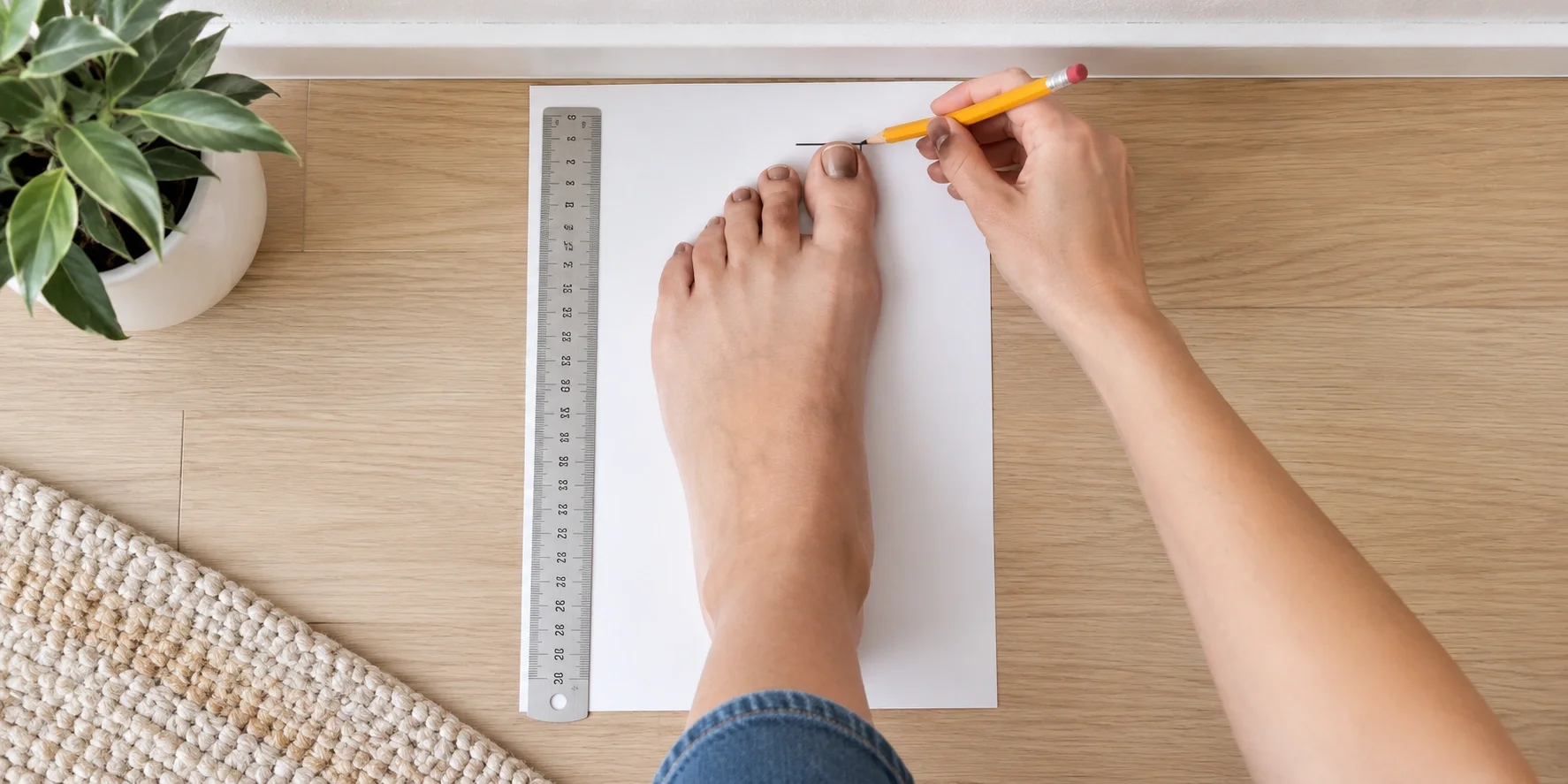
Most people wear the wrong shoe size. Studies suggest that anywhere from 60% to 80% of people are wearing shoes that don't fit properly. The consequences range from minor discomfort to serious foot problems like bunions, hammertoes, and plantar fasciitis. Getting the measurement right is the foundation of everything else.
To measure your feet at home, you'll need a piece of paper, a pencil, and a ruler. Stand on the paper with your heel against a wall, and mark the tip of your longest toe. Measure the distance in centimeters or inches. Do this for both feet — most people have one foot slightly larger than the other, and you should always size to the larger foot. For width, measure the widest part of your foot (usually across the ball).
Remember that your feet swell throughout the day, so measure in the afternoon or evening for the most accurate result. If you're between sizes, it's generally safer to go slightly larger, especially for athletic shoes where your foot will slide forward during activity. For a more detailed breakdown, including how to convert your measurements to men's, women's, and kids' sizes, see our dedicated guides. If you have particularly wide or narrow feet, explore our resources on wide width shoes and narrow shoes.
Step 2: Identifying Your Foot Type
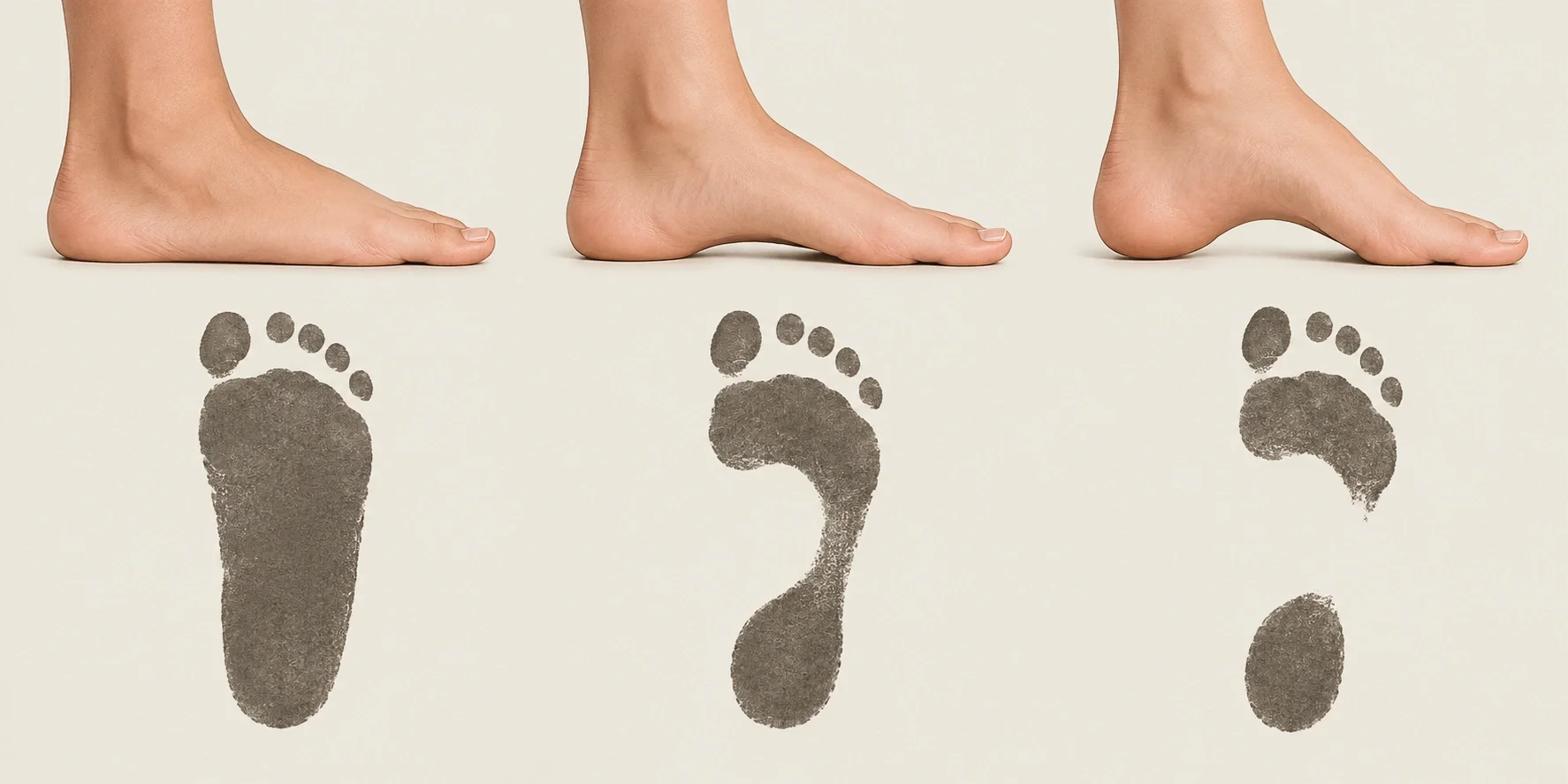
Your arch type is a major factor in determining which shoes will be comfortable and supportive for you. There are three primary foot types: neutral, flat (overpronated), and high-arched (underpronated or supinated). Each requires a different approach to cushioning and support.
If you have flat feet, your arch collapses inward when you walk, which can lead to overpronation. You'll benefit from stability shoes or motion control shoes that limit inward rolling. If you have high arches, your foot doesn't absorb shock well, so you need cushioned shoes with plenty of shock absorption. If you have a neutral arch, you're lucky — you can wear a wide range of neutral shoes.
A simple at-home test is the "wet test." Wet your feet and stand on a piece of cardboard or a dark floor. Look at the imprint: if you see almost your entire foot, you have flat feet. If you see only your heel and the ball of your foot, you have high arches. If you see about half your arch, you're neutral. For more precise guidance, consider visiting a specialty running store for a gait analysis.
Step 3: Matching Shoes to Your Lifestyle
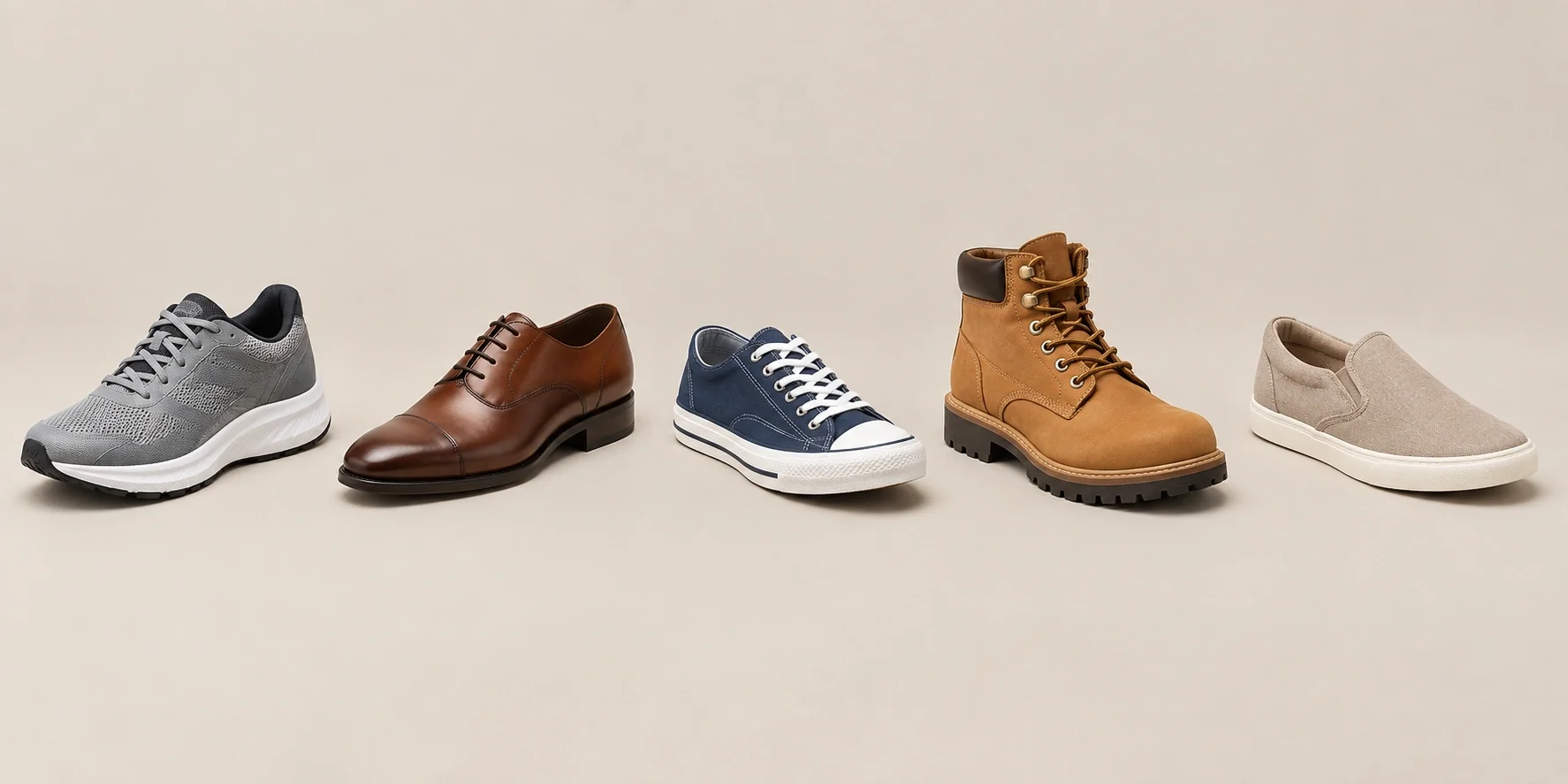
Once you know your foot type, the next step is choosing the right category. This is where many beginners get overwhelmed, because the options seem endless. The good news is that most people only need a handful of core categories to cover 90% of their needs.
For everyday wear, a versatile pair of sneakers or slip-on shoes is essential. If you walk or run for exercise, invest in proper running shoes or walking shoes. For professional settings, a pair of Oxfords or Derbies in a neutral color like black or brown will serve you well. If your job involves physical labor, prioritize work shoes with the appropriate safety features.
For a full breakdown of every major category — from basketball shoes to espadrilles — see our complete Shoe Categories Overview. Start with two or three versatile pairs rather than trying to cover every category at once. A good starter collection might include a neutral sneaker, a formal shoe, and a category-specific pair for your primary activity.
Step 4: Understanding Shoe Materials
The material of a shoe affects everything: how it breathes, how it ages, how it handles water, and how long it lasts. Beginners often overlook this, but it's one of the most important factors in long-term satisfaction.
Leather is the gold standard for durability and aesthetics. It molds to your foot over time, develops a beautiful patina, and can last decades with proper care. However, it requires maintenance and is not ideal for wet conditions unless treated. Suede is softer and more casual but stains easily. Canvas is breathable and affordable but less durable. Mesh and knit are popular in athletic footwear for their lightweight breathability.
For the sole, rubber soles offer excellent grip and water resistance, while leather soles are traditional for formal shoes but offer less traction. EVA soles are lightweight and cushioned, common in running shoes. The construction method also matters: welted construction allows for resoling and is a hallmark of quality, while cemented construction is more common in budget and casual footwear. For a complete education, visit our Material & Build Hub.
Step 5: Setting a Realistic Budget
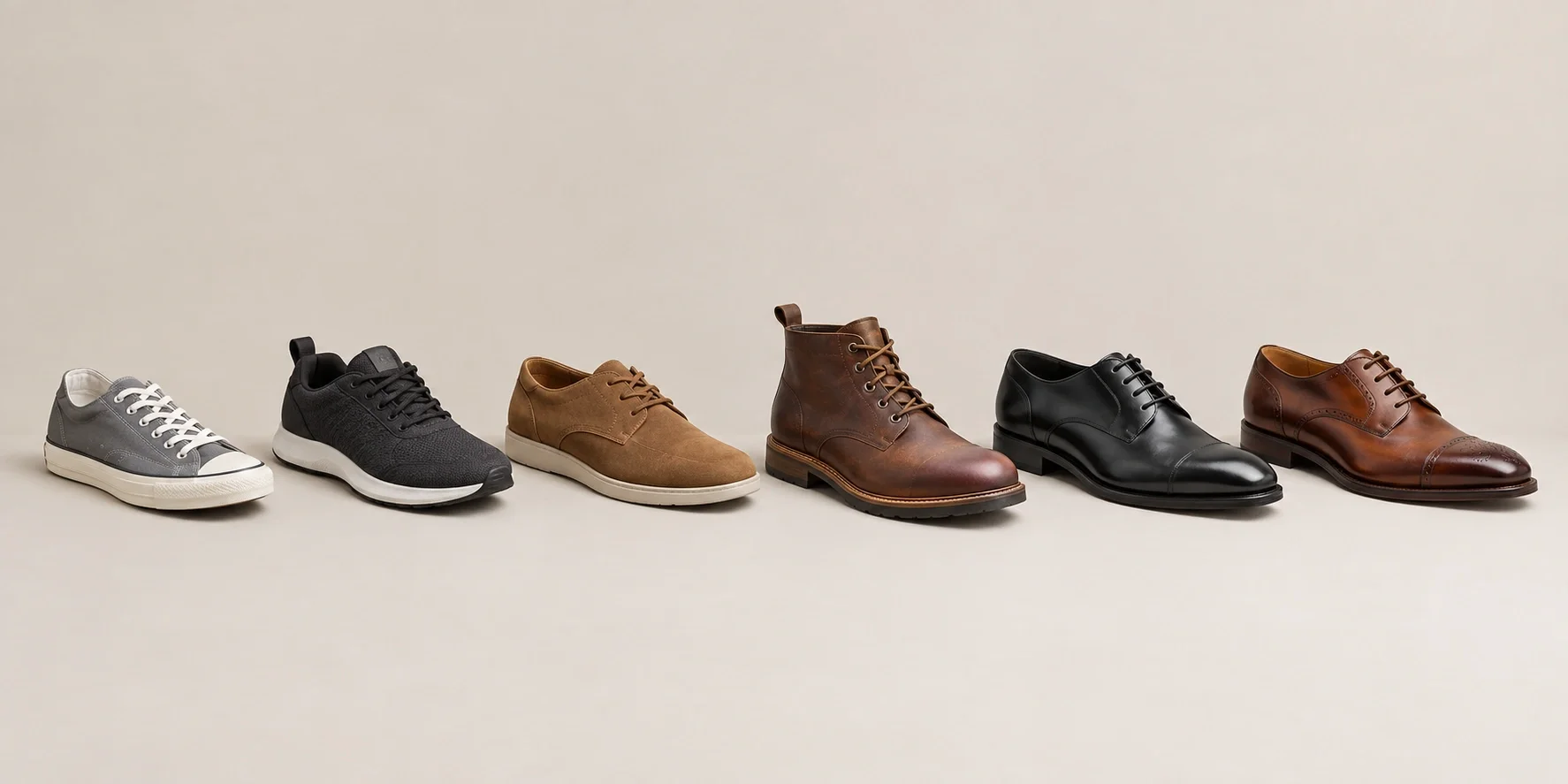
How much should you spend on shoes? The honest answer is: it depends on how much you'll use them and what you expect from them. A general rule of thumb is to invest more in shoes you'll wear frequently and less in occasional-use items. Here's a rough breakdown of what to expect at different price points:
| Price Range | What to Expect | Best For |
|---|---|---|
| $30–$70 | Basic materials, cemented construction, limited support | Occasional wear, fashion-focused purchases |
| $70–$150 | Decent materials, better cushioning, entry-level athletic tech | Everyday wear, casual sports, first-time buyers |
| $150–$300 | Premium materials, advanced support, durable construction | Daily wear, serious athletic use, professional settings |
| $300–$800+ | Full-grain leather, welted construction, artisanal craftsmanship | Formal occasions, long-term investment pieces |
Keep in mind that price doesn't always equal quality, and there are excellent budget-friendly shoes that outperform more expensive alternatives. Conversely, some luxury shoes are priced for the brand name rather than superior construction. Our Best Value Guide can help you identify the sweet spot. Also, don't overlook sales and deals — end-of-season clearances are a great way to get premium shoes at mid-range prices.
Step 6: Caring for Your New Shoes
You've measured, chosen, and bought your shoes. Now what? Proper care is what separates a shoe that lasts six months from one that lasts six years. The basics are simple: clean regularly, protect proactively, and store correctly.
For leather shoes, wipe them down after each wear and condition them every few weeks. Use a waterproofing spray to protect against rain and stains. For suede, use a specialized brush and stain guard to keep the nap clean. For athletic shoes, remove insoles and let them air dry away from direct heat, and consider using odor control products if you wear them frequently.
Storage matters too. Keep shoes in a cool, dry place, ideally with storage covers or in their original box. Avoid leaving them in direct sunlight, which can fade colors and degrade materials. For a complete education on extending the life of your footwear, explore our Shoe Care & Repair Hub, which covers everything from leather cleaning to sole replacement.
Your First Shoe Purchase Checklist
- Measure both feet in the afternoon for the most accurate size.
- Identify your foot type (neutral, flat, or high-arched) using the wet test.
- Determine your primary use case: daily wear, sport, work, or formal.
- Choose a category that matches your primary use case — see the Shoe Categories Overview.
- Consider materials based on your climate and care willingness.
- Set a budget and stick to it — use our Best Value Guide for reference.
- Try shoes on at the end of the day when your feet are largest.
- Check for a thumb's width of space between your longest toe and the shoe tip.
- Walk around for several minutes before committing to the purchase.
- Plan for care: buy a cleaning kit or protective spray alongside your shoes.
Best Shoes for Beginners & First-Time Buyers
⚠️ AFFILIATE DISCLOSURE: This website contains affiliate links. As an affiliate Associate, we earn from qualifying purchases. If you make a purchase through these links, we may receive a small commission at no additional cost to you. Read our full affiliate policy.

UGG Tasman II Women's Slipper, 8 B(M) US, Chestnut
Check price on Amazon
adidas Men's Daily 4.0, Olive Strata/Shadow Olive/Gum, 10 | Casual Shoes, Skateboarding Shoes, Low-Cut, Regular Fit, Lace-Up, For Skateboarding and Everyday Wear
Check price on Amazon
Bruno Marc Men's KnitFlex Breeze Casual Dress Sneakers,Black,12 | Breathable Lightweight Mesh Lace-Up Derby Walking Shoes for Work & Weekend
Check price on Amazon
ODOLY Genuine Suede Clogs for Women Men Comfort Cork Footbed Potato Shoes | Unisex Lightweight Slip-On Leather Mules with Arch Support, Adjustable Buckle, Indoor Outdoor Footwear Taupe39
Check price on Amazon
IQYNAM Slip Resistant Work Shoes for Men Women Tennis Workout Gym Black 12 | Breathable,Comfortable,Slip on Sneakers,Running,Athletic,Sport,Walking,Standing,Zapatos,Unisex
Check price on Amazon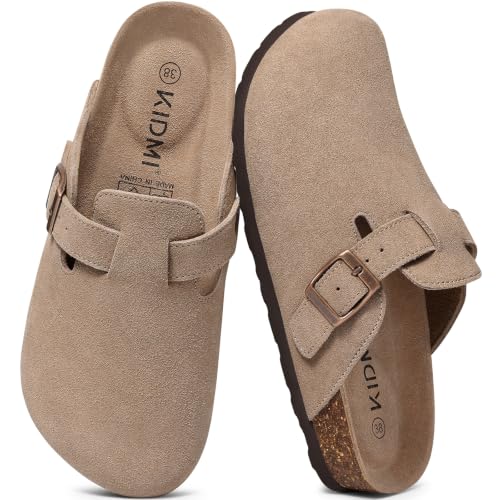
KIDMI Genuine Suede Clogs for Women Men Cork Footbed Mules Potato Shoes | Arch Support, Comfortable, Leather Slip On, Fall, Casual, Indoor Outdoor, Non-slip Rubber Sole, Adjustable Metal Buckle
Check price on Amazon
Nike Men's Court Vision Low Next Nature Shoes, Pencil Point/White, 13
Check price on AmazonFrequently Asked Questions for Beginners
How do I know if a shoe fits properly?
A properly fitting shoe should feel snug but not tight. There should be about a thumb's width (1/2 inch) of space between your longest toe and the front of the shoe. Your heel should not slip out when you walk, and the widest part of your foot should align with the widest part of the shoe. If you feel pressure points or your toes feel cramped, try a different size or width. See our Fit Measurement Guide for more details.
Should I buy shoes in the morning or evening?
Always shop for shoes in the afternoon or evening. Your feet swell throughout the day due to gravity and activity, so they're largest at the end of the day. Shoes that fit in the morning may feel tight by evening. This is especially important for athletic shoes and work shoes that you'll wear for long periods.
How many pairs of shoes do I actually need?
There's no universal number, but most people can cover 90% of their needs with three to five pairs: a versatile casual sneaker, a formal shoe, a dedicated athletic shoe for your primary sport, and perhaps a weather-appropriate option like boots. Start small and expand based on your lifestyle. Quality matters more than quantity.
Are expensive shoes always better?
Not necessarily. Price often reflects brand prestige, marketing, and materials — but not always superior function. A $200 shoe from a luxury brand may be less comfortable for running than a $120 shoe from a dedicated athletic brand. Focus on fit, construction, and materials rather than the price tag alone. Our Brand-Free Comparison guide can help you evaluate shoes objectively.
How often should I replace my shoes?
It depends on usage. Athletic shoes typically last 300–500 miles of running or 6–12 months of regular use. Casual and formal shoes can last several years with proper care. Replace shoes when the sole is worn through, the cushioning feels flat, or the upper is significantly damaged. Rotating between multiple pairs extends their life. For repair options, see our Shoe Care & Repair Hub.
You're Ready to Start! Now that you have a solid foundation, it's time to put this knowledge into action. Start with our Shoe Categories Overview to explore the full landscape, or jump straight into a specific category like running shoes, sneakers, or work shoes. For a complete list of our guides, visit the Shopping & Reviews Hub. Happy shoe hunting!