
Hiking Sandals: Ultimate Buying Guide & Top Picks for Trails
Discover the best hiking sandals for comfort, grip, and durability. Our comprehensive guide covers fit, materials, and top recommendations for men and women. Find your perfect pair for the trail.
SEE TOP PICKSWhen the trail calls, your footwear needs to keep up. Hiking sandals have become a staple for outdoor enthusiasts who want the freedom of open-air footwear without sacrificing traction or protection. Whether you're crossing a stream, scrambling over rocks, or navigating a dusty path, the right pair of hiking sandals can make all the difference between a comfortable trek and a painful one.
Unlike regular summer sandals or casual comfortable sandals, hiking sandals are engineered for performance. They feature rugged outsoles, secure straps, and quick-drying materials. But with so many options on the market, how do you choose the right pair? This guide will walk you through everything you need to know—from fit and materials to the best models for your adventures.
What to Look for in Hiking Sandals
Before diving into specific models, it's crucial to understand the key features that separate a true hiking sandal from a casual one. Here's what to prioritize:
1. Fit and Adjustment
A secure fit is non-negotiable. Look for sandals with multiple adjustment points—typically at the heel, instep, and toes. This allows you to customize the fit to your foot shape and prevent sliding, which can lead to blisters. Straps should be wide and padded to distribute pressure evenly. If you have wider feet, consider models that offer wide width shoes options or specifically designed wide hiking sandals.
2. Traction and Outsole
The outsole is your connection to the ground. For hiking, you need aggressive lugs (the rubber treads) that bite into loose dirt, mud, and wet rocks. Look for rubber compounds like Vibram, which are known for their grip and durability. A good hiking sandal will have a deeper tread pattern than a casual sandal.
3. Support and Cushioning
Your feet will thank you for a midsole that offers both cushioning and support. EVA foam is common, but higher-end sandals may use polyurethane or specialized foams for better energy return and longevity. If you need extra arch support, consider adding shoe inserts or looking for sandals with a contoured footbed.
4. Materials and Durability
Hiking sandals need to withstand abuse. Uppers are typically made from synthetic leather, webbing, or quick-drying polyester. Webbing straps are lightweight and dry fast, while synthetic leather offers more structure. The footbed should be moisture-wicking and antimicrobial to prevent odor. A durable outsole and reinforced stitching are signs of a well-built sandal.
5. Weight and Packability
If you're backpacking, weight matters. Many hiking sandals are surprisingly light, often under 1 pound per pair. They also pack flat, making them great as camp shoes or for river crossings.
Types of Hiking Sandals
Not all hiking sandals are created equal. Depending on your activity, you might prefer one style over another:
- Trail Sandals: These are the most common. They offer a balance of support, protection, and breathability. Ideal for day hikes and light backpacking.
- Water Sandals: Designed for amphibious use, these are perfect for river crossings, kayaking, or canyoneering. They dry quickly and have excellent grip on wet surfaces. If you're looking for something more minimalist, barefoot sandals might be an option, but they offer less protection.
- Expedition Sandals: Built for heavy loads and rough terrain, these are burlier, with stiffer soles and more substantial straps. They can handle multi-day treks.
- Closed-Toe Sandals: These offer extra protection for your toes, making them great for rocky trails. They look more like a hybrid between a shoe and a sandal.
Top Hiking Sandals for Men and Women
Based on our research and market analysis, here are some of the best hiking sandals you can buy right now. Prices are approximate and can vary.
| Model | Best For | Key Features | Price Range |
|---|---|---|---|
| Trail Master Pro | All-around trails | Vibram outsole, 3-point adjustment, EVA footbed | $100–$150 |
| River Trekker | Water activities | Quick-dry webbing, sticky rubber, toe bumper | $80–$120 |
| Summit Explorer | Backpacking | Stiff midsole, ankle strap, supportive footbed | $130–$180 |
| Everyday Adventurer | Light hikes & travel | Lightweight, cushioned, packable | $60–$90 |
| Rock Hopper | Scrambling | Aggressive lugs, reinforced toe, secure heel | $110–$160 |
For women specifically, many brands offer women's-specific fits that accommodate narrower heels and higher arches. If you're looking for a versatile sandal that can transition from trail to town, consider a style like comfortable sandals with a sporty design.
How to Get the Perfect Fit
Getting the right fit is critical for comfort and performance. Follow these steps:
- Measure Your Feet: Do this at the end of the day when your feet are largest. Use our fit measurement guide for accuracy.
- Try Them On: If possible, try sandals on in person. Wear the socks you plan to hike in (or no socks, if that's your preference).
- Check Adjustment: Adjust all straps so your foot is secure but not constricted. You should be able to wiggle your toes.
- Walk Around: Walk on different surfaces to test traction and comfort. Make sure your heel doesn't slip out.
- Consider Sizing Up: Your feet may swell during long hikes, so a little extra room can prevent blisters.
If you have specific foot concerns, such as flat feet or high arches, look for sandals with removable footbeds so you can insert custom orthotics. Our guide to arch support explained can help you understand your needs better.
Caring for Your Hiking Sandals
To extend the life of your hiking sandals, follow these simple care tips:
- Rinse them with fresh water after each hike to remove dirt and salt.
- Air dry them away from direct heat or sunlight.
- Use a mild soap and soft brush for deeper cleaning.
- Check straps and buckles regularly for wear and tear.
- Store them in a cool, dry place. Consider using shoe storage covers to protect them from dust.
With proper care, a good pair of hiking sandals can last for many seasons.
Final Thoughts
Investing in a high-quality pair of hiking sandals is one of the best decisions you can make for your outdoor adventures. They offer the perfect blend of breathability, protection, and traction. Remember to prioritize fit, traction, and support, and don't be afraid to spend a little more for a reputable brand—your feet will thank you.
Whether you're tackling a rugged mountain trail or just enjoying a leisurely walk in the park, the right hiking sandals will keep you comfortable and confident. If you're also in the market for other outdoor footwear, check out our guide to hiking shoes for men for more options.
Ready to hit the trail? Explore our recommended hiking sandals below and find your perfect pair.
Recommended Hiking Sandals
⚠️ AFFILIATE DISCLOSURE: This website contains affiliate links. As an affiliate Associate, we earn from qualifying purchases. If you make a purchase through these links, we may receive a small commission at no additional cost to you. Read our full affiliate policy.

FLARUT Men's Sport Sandals Outdoor Hiking Sandals Closed Toe Leather Athletic Lightweight Trail Walking Casual Sandals Water Shoes (C-Gray,43)
Check price on Amazon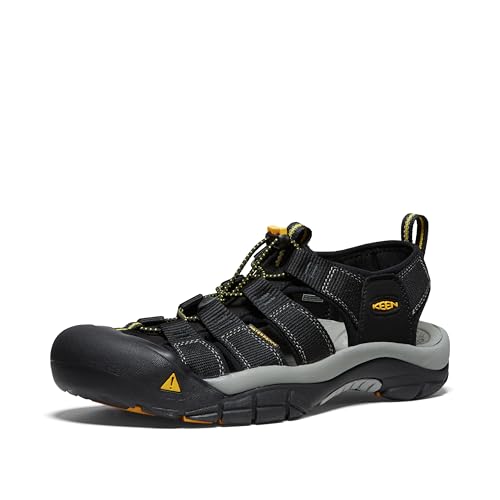
KEEN Men's Newport H2 Closed Toe Water Sandals
Check price on Amazon
YOCCI Womens Sport Hiking Sandals Walking Outdoor Comfortable Water Shoes | Arch Support Yoga Mat Insole, Lightweight, Adjustable Straps, Water Sandals, All-Day Wear, Beach, Parks, Streams.
Check price on Amazon
Dockers Mens Newpage Outdoor Sport Sandal Memory Foam, Briar, 9 M
Check price on Amazon
Teva Women's Original Universal Sandal Sport, Black, 8
Check price on Amazon
visionreast Mens Open Toe Leather Sandals Outdoor Hiking Non Slip Sandals Air Cushion Soprt Casual Beach Sandals
Check price on Amazon