
Lightweight Running Shoes: The Complete Buying Guide
Everything you need to know about lightweight running shoes — how they work, who they're for, and how to choose the right pair for speed, comfort, and daily training.
SEE TOP PICKSShoesTruth Philosophy: Lightweight running shoes are not just about shaving grams — they're about reducing fatigue, improving turnover, and making every stride feel effortless. This guide breaks down the technology, trade-offs, and best use cases so you can decide with confidence.
Recommended Lightweight Running Shoes
⚠️ AFFILIATE DISCLOSURE: This website contains affiliate links. As an affiliate Associate, we earn from qualifying purchases. If you make a purchase through these links, we may receive a small commission at no additional cost to you. Read our full affiliate policy.
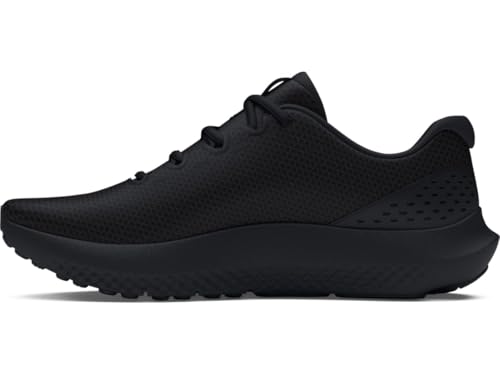
Under Armour Men's Charged Surge 4, 002 Black, 10.5
Check price on Amazon
IQYNAM Womens Mens Running Walking Tennis Shoes Workout Sneakers Black 8.5 | Lightweight,Breathable,Comfortable,Slip-On,Non Slip,Work,Gym,Athletic,Sport,Zapatos,Unisex,Lady
Check price on Amazon
Brooks Men’s Adrenaline GTS 25 Supportive Running & Walking Shoe - Primer Grey/Ebony/Jasmin - 11 Medium
Check price on Amazon
Under Armour Men's Charged+ Assert 11, 001 Black, 7.5
Check price on Amazon
New Balance Women's Fresh Foam Arishi V4 Running Shoe, Summer Fog/Nimbus Cloud/Light Gold Metallic, 7
Check price on Amazon
RJYWGS Running Shoes for Men Women Tennis Gym Sneakers Black Women 7/ Men 6 | Slip on丨Comfortable丨Lightweight丨Breathable Material丨Workout丨Fashion丨Athletic丨Machine Washable丨Sports
Check price on Amazon
Under Armour Women's Charged+ Assert 11, 001 Black, 8.5
Check price on AmazonWhat Makes a Running Shoe "Lightweight"?
In running, weight is measured in ounces or grams per shoe, and every gram counts. A typical men's daily trainer weighs between 9 and 12 ounces (255–340 g) per shoe in a US size 9. A shoe is generally classified as lightweight when it comes in under 9 ounces (255 g), while true racing flats and carbon-plated speed shoes can dip below 7 ounces (198 g).
But weight is not the only factor. A lightweight running shoe also uses fewer materials, thinner foams, and simplified uppers. That reduces the total mass you have to lift with every stride — which can translate into less fatigue over long distances and faster turnover during workouts. The trade-off is usually less cushioning, less stability, and a shorter lifespan.
If you're building a rotation, lightweight shoes are best used alongside a more durable daily trainer. Our durability comparison guide explains how different shoe types hold up over mileage, and our performance guide breaks down what actually makes a shoe fast.
Why Choose Lightweight Running Shoes?
Runners choose lightweight shoes for a few specific reasons. The most common is speed. Research on running economy suggests that lighter shoes require less energy to move, which can improve pace at the same effort level. That's why almost every racing shoe on the market is built to be as light as possible.
The second reason is reduced fatigue. Over a long run, lifting a heavier shoe thousands of times adds up. A lighter shoe can help your legs feel fresher for longer, especially in the later miles of a race or a hard workout.
The third reason is feel. Many runners prefer a shoe that lets them feel the ground and encourages a natural stride. Lightweight shoes tend to be more flexible and less bulky, which many runners find more enjoyable to run in. If you're curious how this fits into a broader rotation, our ergonomic guide covers how shoe design affects natural movement.
✅ Pros of Lightweight Shoes
- Improved running economy and faster turnover
- Less leg fatigue over long distances
- More flexible and natural underfoot feel
- Often more breathable and cooler
- Ideal for tempo runs, intervals, and racing
⚠️ Cons of Lightweight Shoes
- Less cushioning and impact protection
- Shorter lifespan (300–450 miles typical)
- Less stability for overpronators
- Can feel harsh on long easy runs
- Higher price per mile for racing models
Key Features to Compare
When you're comparing lightweight running shoes, these are the specs that matter most. Understanding them will help you match a shoe to your goals instead of just picking the lightest option on the shelf.
| Feature | What It Means | Best For |
|---|---|---|
| Weight | Under 9 oz (255 g) is lightweight; under 7 oz (198 g) is racing territory. | Speed work, racing, fast daily runs. |
| Heel-to-Toe Drop | The height difference between heel and forefoot. Common drops are 4–10 mm. | Lower drop (0–4 mm) for forefoot strikers; higher drop for heel strikers. |
| Stack Height | Total foam under your foot. Low stack = more ground feel; high stack = more cushion. | Low stack for speed; moderate stack for daily training. |
| Midsole Foam | EVA, TPU, PEBA, or supercritical foams. PEBA is lighter and more responsive. | PEBA for racing; EVA/TPU for training durability. |
| Upper Material | Mesh, knit, or engineered mesh. Thinner uppers save weight but reduce structure. | Breathable mesh for warm weather; knit for a sock-like fit. |
| Outsole | Less rubber = lighter shoe but faster wear. Strategic rubber placement saves weight. | Exposed foam for racing; full rubber for training durability. |
| Plate | Carbon or nylon plates add stiffness and propulsion, usually with a weight penalty. | Carbon for race day; nylon for tempo runs. |
💡 Quick Rule of Thumb
If you run mostly easy miles and want one shoe, aim for 8–9 oz. If you're chasing a personal best, look at 6–7.5 oz with a responsive foam. If you're new to lightweight shoes, transition gradually — your feet and calves need time to adapt.
Who Should Wear Lightweight Running Shoes?
Lightweight shoes are not for everyone, and they're not for every run. Here's a simple breakdown:
Best for:
- Speed workouts and tempo runs — where every ounce matters and you want a fast, responsive feel.
- Race day — racing flats and carbon-plated shoes are built for exactly this.
- Experienced runners — who have a strong base and want to add a faster shoe to their rotation.
- Neutral runners — who don't need extra stability or motion control.
Use with caution if:
- You're a beginner building mileage for the first time.
- You overpronate heavily and need stability features.
- You're recovering from a foot, ankle, or lower-leg injury.
- You run mostly on concrete and need maximum impact protection.
If you're in one of the caution groups, a lightweight daily trainer with moderate cushioning is usually a safer choice. You can also rotate lightweight shoes with a more cushioned pair — a strategy covered in our top-rated shoes guide and our editor's picks.
How to Choose the Right Pair
Follow this step-by-step process to narrow down your options:
- Define your use case. Are you racing, doing speed work, or running daily? A racing shoe and a lightweight daily trainer are very different tools.
- Set a weight target. Under 7 oz for racing, 7–8.5 oz for fast training, 8.5–9.5 oz for versatile daily use.
- Check the drop. If you're used to 10–12 mm drop, don't jump straight to 0 mm. Move down gradually — 8 mm, then 6 mm, then 4 mm.
- Consider your gait. Neutral runners can wear almost anything. Overpronators should look for light stability elements.
- Try before you buy. Fit matters more than specs. If possible, test in-store or buy from a retailer with a good return policy.
- Budget realistically. Lightweight daily trainers typically run $100–$160. Carbon-plated racing shoes usually cost $200–$280.
If you're also shopping for other running gear, our travel shoe packing guide and capsule wardrobe guide can help you build a functional collection. For trail runners, see our trail running shoes page.
Care and Longevity Tips
Lightweight shoes wear out faster than heavy trainers because they use less material. You can extend their life with a few simple habits:
- Rotate your shoes. Alternating between two pairs gives foam time to decompress and can extend overall lifespan.
- Track your mileage. Replace lightweight trainers around 300–400 miles, and racing shoes around 200–250 miles.
- Keep them dry. Moisture breaks down foam and adhesive. Air-dry away from direct heat.
- Use them for their purpose. Don't wear racing flats for daily training — you'll wear them out before race day.
- Check the outsole. Once the rubber is worn through to the foam, it's time to replace.
Our shoe storage covers guide has more tips on protecting your investment between runs.
Frequently Asked Questions
What is considered a lightweight running shoe?
Most running shoes fall between 8 and 12 ounces (227–340 g) per shoe in a men's size 9. A shoe is generally considered lightweight when it weighs under 9 ounces (255 g), with true racing flats often dipping below 7 ounces (198 g).
Are lightweight running shoes good for beginners?
Beginners can wear lightweight shoes, but they often benefit from a slightly more cushioned and supportive trainer first. A lightweight daily trainer in the 8–9 ounce range offers a good balance of speed and protection while your body adapts to running.
How long do lightweight running shoes last?
Lightweight shoes typically last 300–450 miles (480–720 km) because they use less foam and thinner outsoles. Racing flats may last only 200–300 miles. Rotating them with a more durable trainer can extend their life.
Do lightweight shoes cause injuries?
There is no strong evidence that lightweight shoes cause injuries by themselves. However, a sudden transition from heavily cushioned shoes to minimal ones can stress your feet and calves. Transition gradually over several weeks.
Can I use lightweight running shoes for walking?
You can, but they're designed for forward motion at running pace. For walking, a shoe with more cushioning and a slightly wider base is usually more comfortable. If you split your time between running and walking, look at our walking shoes for women guide.
Final Thoughts
Lightweight running shoes are a powerful tool — but like any tool, they work best when matched to the right job. For racing and speed work, they can help you run faster with less effort. For daily training, a lightweight daily trainer offers a nice balance of speed and protection. And for recovery days or long easy runs, a more cushioned shoe is often the smarter choice.
If you're ready to explore specific models, check out our new arrivals and trending now pages for the latest options. You can also browse our user favorites to see what other runners are buying. And if you're still deciding between categories, our stability running shoes and men's running shoes guides can help you compare.
Whatever you choose, remember: the best shoe is the one that fits your foot, your gait, and your goals. Lightweight is a feature — not a finish line.
Ready to Find Your Perfect Pair?
Browse our curated selection of lightweight running shoes and compare specs, prices, and reviews — all in one place.
SHOP LIGHTWEIGHT RUNNING SHOES