
Shoe Sole Replacement: The Complete Guide to Restoring Your Favorite Footwear
Discover when resoling makes sense, how much it costs, which materials last longest, and how to bring worn-out shoes back to life.
See Cost BreakdownWhy This Guide Matters: A quality pair of shoes deserves a second life. Replacing the sole costs a fraction of buying new footwear and keeps comfortable, broken-in shoes out of landfills. Below you will find everything you need to decide whether to resole, repair, or replace.
What You Will Learn
- What Shoe Sole Replacement Actually Means
- Signs Your Shoes Need New Soles
- Shoe Sole Replacement Cost Breakdown
- Sole Material Options Compared
- The Professional Resoling Process Step by Step
- Can You Replace Soles at Home?
- Resole vs. Repair vs. Replace: Decision Guide
- Extending Sole Life After Replacement
- Frequently Asked Questions
What Shoe Sole Replacement Actually Means
Shoe sole replacement, often called resoling, is the process of removing the worn outsole from a shoe and attaching a new one. It is one of the most common and cost-effective repairs in footwear care. Unlike a simple heel fix, which addresses only the rear portion, a full resole restores the entire walking surface and can dramatically extend the life of your shoes.
The feasibility of resoling depends heavily on construction. Welted and stitched shoes are the best candidates because the upper is stitched to the sole and can be separated and reattached. Cemented shoes, where the sole is glued on, can also be resoled but with slightly less durability. Vulcanized and injection-molded footwear, common in budget sneakers, is generally not worth resoling because the upper and sole are permanently fused.
For anyone who owns quality leather footwear, learning about heel repair alongside sole replacement is smart, since heels and soles often wear out around the same time. If you are still deciding whether your shoes are worth saving, our broader guide to shoe websites can help you compare replacement options and find trusted repair services online.
Signs Your Shoes Need New Soles
Catching sole wear early prevents damage to the midsole, insole, and upper. Here are the clearest indicators that resoling is due:
Worn Tread Pattern
When the tread grooves on the bottom of your shoes have flattened or disappeared, traction is compromised. This is especially dangerous on wet or slippery surfaces.
Visible Holes or Cracks
Small holes in the outsole allow water and debris to reach the midsole. Once moisture penetrates, the internal structure begins to break down rapidly.
Uneven Wear
If one side of the sole wears faster than the other, it may indicate a gait issue. Resoling can correct the imbalance before it affects your joints and posture.
Heel Separation
When the sole begins to peel away from the upper at the heel or toe, it is a clear sign that the adhesive or stitching has failed and replacement is needed.
Shoe Sole Replacement Cost Breakdown
Cost is the single biggest factor in the resole-or-replace decision. Prices vary by material, construction, and the skill of the cobbler. Below is a realistic snapshot of what you can expect to pay in the current market.
| Shoe Type | Typical Resole Cost | Notes |
|---|---|---|
| Leather Dress Shoes (welted) | $80–$150 | Includes new sole, heel, and refinishing |
| Casual Leather Shoes (cemented) | $50–$90 | Faster turnaround, slightly less durable |
| Sneakers (stitched or cemented) | $40–$90 | Depends on whether original sole is available |
| Work Boots | $70–$130 | Often includes new midsole and heel |
| Specialty / Designer Shoes | $100–$200+ | May require custom sole fabrication |
As a rule of thumb, resoling is worthwhile when the cost is less than half the price of a new pair and the upper is still in good condition. If you are working with a tight budget, exploring financing options for new footwear may be more practical than repeatedly repairing a failing pair.
Sole Material Options Compared
The material you choose affects comfort, grip, durability, and appearance. Here is how the most common sole materials stack up:
| Material | Durability | Grip | Best For |
|---|---|---|---|
| Leather | Moderate | Low | Formal dress shoes, indoor wear |
| Rubber | High | High | Everyday wear, wet conditions |
| EVA Foam | Low–Moderate | Moderate | Running shoes, lightweight sneakers |
| Vibram Rubber | Very High | Very High | Boots, hiking, work shoes |
| Crepe | Moderate | Moderate | Casual shoes, desert boots |
| Polyurethane | High | Moderate | Work shoes, industrial footwear |
For work environments where slip resistance is critical, a rubber or Vibram sole is the safest choice. If you wear men's leather non-slip work shoes, insist on a replacement sole rated for oil and water resistance. Women in similar roles should look for women's leather non-slip work shoes with equivalent safety ratings. And if you stand for long shifts, pairing a new sole with shoe inserts for standing all day can transform comfort.
The Professional Resoling Process Step by Step
Understanding what a cobbler does helps you evaluate quotes and set realistic expectations. Here is the standard workflow:
-
Assessment and Quote
The cobbler inspects the upper, midsole, and welt to confirm the shoe can be resoled and provides a cost estimate.
-
Sole Removal
The old outsole is carefully separated from the upper. For welted shoes, the stitching is cut; for cemented shoes, heat or solvents soften the adhesive.
-
Midsole Preparation
The midsole is cleaned, sanded, and leveled. Any damage to the cork filler or shank is repaired at this stage.
-
New Sole Attachment
A new sole is cut to size and attached using stitching, cement, or a combination of both, depending on the shoe's construction.
-
Heel Replacement
In most cases, the heel is replaced simultaneously to maintain balance and alignment.
-
Trimming and Finishing
Excess sole material is trimmed, edges are sanded and burnished, and the shoe is polished and conditioned.
-
Quality Check
The cobbler verifies adhesion, stitching integrity, and comfort before returning the shoes.
Turnaround ranges from one to three days for cemented soles and five to ten days for welted construction. If you need shoes back quickly, ask about rush service when you drop them off.
Can You Replace Soles at Home?
DIY sole replacement is possible for simple cemented shoes and sneakers, but it comes with real limitations. You will need replacement sole sheets or pre-cut soles, contact cement, a sharp utility knife, sandpaper, and clamps. The process involves removing the old sole, roughening both surfaces, applying adhesive, and clamping the new sole in place for 24 hours.
What you cannot easily replicate at home is stitched or welted construction. Without a heavy-duty stitching machine, the bond will be weaker than a professional job and may fail within months. For expensive leather shoes or work boots, professional resoling is almost always the better investment.
If your shoes are already marginal, a DIY attempt can cause further damage. In that case, it may be wiser to put the money toward a new pair. If you are shopping for replacements, browsing branded shoes for men or checking shoe websites for deals can help you find quality footwear without overspending.
Resole vs. Repair vs. Replace: Decision Guide
Not every worn shoe deserves a new sole. Use this framework to make a confident decision:
Resole If...
The upper is in good shape, the shoe is welted or stitched, the original price was $150 or more, and the resole cost is under 50% of a new pair.
Repair If...
Only the heel is worn, a small section of sole is damaged, or the issue is cosmetic. Targeted heel repair is cheaper than a full resole.
Replace If...
The upper is cracked, the midsole is compressed, the shoe is vulcanized or injection-molded, or the repair cost exceeds 60% of a new pair.
Comfort is another factor. If your shoes have become uncomfortable due to a collapsed midsole or worn-out cushioning, resoling alone will not fix the problem. In that situation, investing in comfortable supportive shoes for standing all day or good shoes to be on your feet all day is the smarter long-term move.
Extending Sole Life After Replacement
A fresh sole is an investment. Protect it with these habits:
Rotate your shoes. Wearing the same pair every day accelerates sole compression and wear. Give each pair at least 24 hours to dry and recover between wears.
Clean soles regularly. Dirt and grit act like sandpaper. Rinse rubber soles with water and scrub leather soles with a damp cloth, then let them air dry away from direct heat.
Use protective sprays. Waterproofing sprays reduce moisture absorption, which is a leading cause of sole degradation. This is especially important for lightweight waterproof walking shoes for men and leather boots.
Avoid extreme heat. Never dry shoes on radiators, in direct sunlight, or in a hot car. Heat warps soles and breaks down adhesives.
Address small issues early. A tiny crack or a loose heel edge is cheap to fix. Waiting until the sole is fully worn often turns a simple repair into an expensive rebuild.
For people who walk on hard surfaces daily, such as nurses, teachers, and retail workers, pairing quality soles with the right footwear design matters. Guides like shoes for walking all day on concrete and comfortable shoes for teachers who stand all day offer deeper insight into choosing shoes that hold up under constant use.
Best Soles, Insoles & Repair Kits for Shoe Restoration
⚠️ AFFILIATE DISCLOSURE: This website contains affiliate links. As an affiliate Associate, we earn from qualifying purchases. If you make a purchase through these links, we may receive a small commission at no additional cost to you. Read our full affiliate policy.
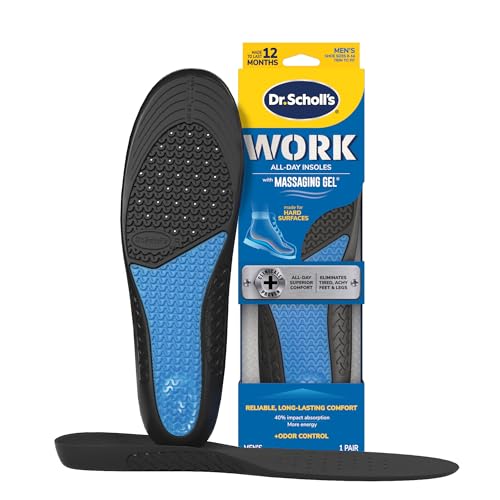
Dr. Scholl's Work All-Day Superior Comfort Insoles (with) Massaging Gel, Men, 1 Pair, Trim to Fit
Check price on Amazon
Shoe Rubber Sole Sheet, 1.2MM Thick Shoe Sole Repair Rubber, Non-Slip Soling Sheet for Bottom of Shoe, Black
Check price on Amazon
Tarpop 10 Pcs Non Slip Shoe Pads Adhesive Rubber Sole Bottom Replacement | Shoe Sole Protector, Noise Reduction, 9.84 x 3.94 Inch, 5.12 x 3.15 Inch, Anti Slip, High Heel Leather Shoes
Check price on Amazon
Shoe Sole Repair Rubber Anti-Slip Soles, Boot Sole Replacement 4mm Thick, Cut to Size (1 Pair)
Check price on Amazon
Shoe Insoles, Memory Foam Insoles, Providing Excellent Shock Absorption and Cushioning for Feet Relief, Comfortable Insoles for Men and Women for Everyday Use, M(US M: 6.5-9/W: 7.5-10)
Check price on Amazon
KANEIJI Shoe Replacement Rubber Full Out Sole,4mm Thickness, one Pair (Black)
Check price on Amazon
Shoe Sole Repair Rubber Soling Sheet, 3/16 Inch Thick, Replacement Soles for Boots, Shoe Making, 15 x 11”
Check price on Amazon
Shoe Insoles for Men Women, Memory Foam Insoles, Best Replacement Shoe Inserts, Providing Great Shock Absorption and Cushioning for Feet Relief, Prevent Foot Odor (Men 10-10.5 / Women 11-11.5)
Check price on AmazonFrequently Asked Questions
Ready to Restore Your Favorite Shoes?
Browse our top-rated sole replacements, insoles, and repair kits below. With the right materials and a little know-how, your worn-out shoes can feel brand new again.
Shop Recommended Products