Stability Running Shoes for Flat Feet: The Complete Guide
If you have flat feet, finding the right running shoe can feel like a challenge. This guide will help you understand overpronation, discover what makes a stability shoe work, and choose the perfect pair for a comfortable, injury-free run.
Find Your Perfect PairWhy Flat Feet Need Stability Running Shoes
Flat feet, also known as fallen arches or pes planus, affect millions of runners. When you have flat feet, your arch collapses inward with each step, causing your ankle and foot to roll excessively inward—a condition called overpronation. This repetitive motion can lead to a cascade of problems, from plantar fasciitis and shin splints to knee pain and hip misalignment.
Stability running shoes are specifically engineered to counteract overpronation. They feature a firmer midsole on the inner side of the foot, often called a medial post or guide rail, which gently redirects your stride and keeps your foot in a more neutral position. For runners with flat feet, this added support can mean the difference between a painful run and a comfortable one.
Did you know? Not all flat feet are the same. Some people have flexible flat feet, where the arch appears when sitting but disappears when standing. Others have rigid flat feet, where the arch is never present. Stability shoes are generally most effective for flexible flat feet with overpronation.
Understanding Overpronation and Your Gait
Before you invest in a new pair of running shoes, it's helpful to understand your gait cycle. A normal running stride involves three phases: heel strike, midstance, and toe-off. During midstance, your foot should roll inward slightly (pronation) to absorb shock. However, if you have flat feet, this inward roll can become excessive.
Overpronation places extra stress on your plantar fascia, tibialis posterior tendon, and the medial structures of your knee. Over time, this can lead to conditions like plantar fasciitis and posterior tibial tendonitis. Stability shoes help by limiting this excessive motion, allowing your foot to transition more efficiently through the gait cycle.
If you're unsure whether you overpronate, try the wet test: wet the bottom of your foot and step onto a piece of cardboard or a dark surface. If you see a full footprint with no visible arch, you likely have flat feet and may overpronate. For a more accurate assessment, visit a specialty running store where they can analyze your gait on a treadmill.
Key Features to Look for in Stability Running Shoes
When shopping for stability running shoes for flat feet, pay attention to these critical features:
- Medial Post: A firmer density foam on the inner side of the midsole that limits inward rolling. This is the hallmark of a stability shoe.
- Guide Rails: Some modern stability shoes use guide rails instead of traditional medial posts. These are structural elements that guide your foot without feeling intrusive.
- Heel Counter: A firm plastic or TPU cup around the heel that stabilizes the rearfoot and prevents excessive motion.
- Midfoot Shank: A rigid piece under the midfoot that adds torsional stability and prevents the shoe from twisting.
- Wide Base of Support: A broader platform, especially in the forefoot and heel, provides a more stable landing.
- Supportive Upper: A well-structured upper with a secure midfoot wrap helps hold your foot in place.
It's important to note that stability shoes come in varying degrees of support. Some are mild stability shoes, while others are motion control shoes designed for severe overpronation. Your choice should depend on the severity of your flat feet and the amount of support you need.
Types of Stability Shoes: Finding Your Match
Mild Stability Shoes
These are ideal for runners with mild overpronation or those who need a little extra support without feeling restricted. They typically have a small medial post or a guide rail system and are lighter and more flexible than traditional motion control shoes.
Moderate Stability Shoes
These offer a balance of support and cushioning, making them a popular choice for runners with moderate flat feet. They feature a more pronounced medial post and a firmer midsole to control excessive inward rolling.
Motion Control Shoes
Designed for severe overpronation or runners with rigid flat feet, these shoes provide maximum support. They often have a large medial post, a firm heel counter, and a straight or semi-curved last. While they can be heavier, they offer the highest level of stability.
Tip: If you're transitioning from neutral shoes to stability shoes, start with a mild or moderate stability shoe. Moving directly to motion control can feel jarring and may cause new discomfort.
Stability Shoe Comparison at a Glance
| Feature | Mild Stability | Moderate Stability | Motion Control |
|---|---|---|---|
| Medial Post | Small or guide rail | Pronounced | Large and firm |
| Weight | Light to moderate | Moderate | Heavier |
| Flexibility | Some flexibility | Moderate stiffness | Firm |
| Best For | Mild overpronation | Moderate flat feet | Severe overpronation |
| Typical Price | $100–$160 | $120–$180 | $140–$200+ |
Prices vary by brand and model, but as a general rule, you can expect to pay between $100 and $200 for a quality pair of stability running shoes. While it may seem like a significant investment, the right shoes can prevent injuries and save you money on medical bills in the long run.
How to Choose the Right Stability Running Shoes
Selecting the perfect pair involves more than just picking a shoe labeled "stability." Here are some practical tips to guide your decision:
- Get a Gait Analysis: Visit a specialty running store where experts can analyze your running style on a treadmill. This is the most reliable way to determine your level of overpronation.
- Try Before You Buy: Always try on shoes with the socks you plan to run in. Your feet can swell during a run, so it's best to try shoes later in the day when your feet are at their largest.
- Check the Fit: Ensure there's about a thumb's width of space between your longest toe and the front of the shoe. The heel should be snug and not slip when you walk or run.
- Consider Your Running Surface: If you run on trails, look for stability trail running shoes with added traction and protection. For road running, a traditional stability shoe is usually sufficient.
- Read Reviews: Look for reviews from runners with flat feet who have similar running habits and goals.
If you also experience foot pain after running, you may benefit from additional support like insoles for arch support. Some runners find that combining a stability shoe with a quality insole provides the ultimate comfort and support.
Additional Tips for Running with Flat Feet
Beyond choosing the right shoes, there are other steps you can take to make running more comfortable and reduce your risk of injury:
- Gradual Mileage Increase: Avoid sudden increases in mileage. Follow the 10% rule—increase your weekly mileage by no more than 10% each week.
- Strengthen Your Feet: Exercises like toe curls, heel raises, and arch lifts can strengthen the muscles in your feet and improve your arch support.
- Use Orthotics if Needed: If over-the-counter insoles aren't enough, consider custom orthotics. For more information, see our guide on custom-made insoles for plantar fasciitis.
- Replace Your Shoes: Running shoes typically last 300–500 miles. If you notice the midsole breaking down or the shoe feeling less supportive, it's time for a new pair.
- Listen to Your Body: If you experience persistent pain, stop running and consult a healthcare professional.
Frequently Asked Questions
Are stability shoes good for all flat feet?
Not necessarily. Stability shoes are most effective for flexible flat feet with overpronation. If you have rigid flat feet, you may need a motion control shoe or custom orthotics. It's always best to consult with a podiatrist or running specialist for personalized advice.
Can I use stability shoes for walking?
Yes, stability shoes can be used for walking, especially if you walk long distances or stand for extended periods. The added support can help reduce fatigue and discomfort. For more options, explore our guide on most supportive shoes for standing all day.
How do I know if I need stability shoes?
If you have flat feet, experience foot or knee pain after running, or notice excessive wear on the inner side of your shoes, you may benefit from stability shoes. A gait analysis can provide definitive answers.
Are expensive stability shoes better?
Not always. Price often reflects brand name and premium materials, but many affordable stability shoes offer excellent support. Focus on fit, comfort, and the features that matter for your gait rather than the price tag alone.
Ready to Find Your Perfect Stability Shoes?
Explore our curated selection of top-rated stability running shoes for flat feet. Each pair is chosen for its support, comfort, and durability.
Shop Recommended Stability ShoesRecommended Stability Running Shoes for Flat Feet
⚠️ AFFILIATE DISCLOSURE: This website contains affiliate links. As an affiliate Associate, we earn from qualifying purchases. If you make a purchase through these links, we may receive a small commission at no additional cost to you. Read our full affiliate policy.

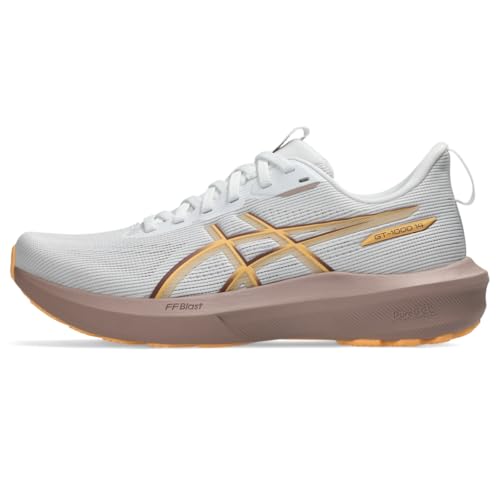
ASICS Men's GT-2000 14 Running Shoes, 9, Steel Grey/YAMABUKI
Check price on Amazon
Under Armour Men's Charged+ Assert 11 4E, 002 Black, 10.5
Check price on Amazon
New Balance Men's Fresh Foam X 860v15 Running Shoe, Quartz Grey/Altitude, 10.5
Check price on Amazon
Brooks Men’s Adrenaline GTS 25 Supportive Running & Walking Shoe - White/Black/White - 12 Wide
Check price on Amazon
Brooks Men’s Adrenaline GTS 25 Supportive Running & Walking Shoe - Black/Black/Ebony - 10 Wide
Check price on Amazon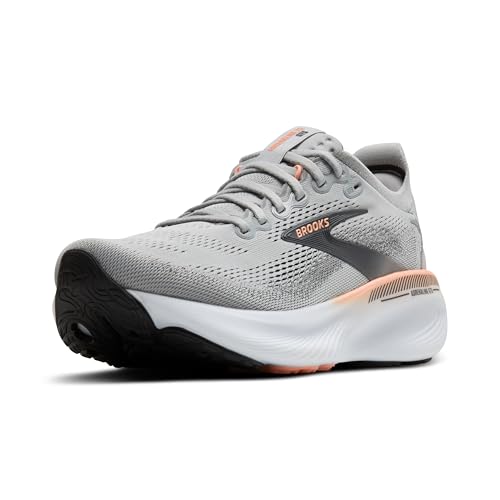
Brooks Women’s Adrenaline GTS 25 Supportive Running & Walking Shoe - Grey/Blackened Pearl/Coral - 9 Medium
Check price on Amazon