Comfort for Long Matches
Playing a long match requires shoes that can keep up. If you often find yourself on the court for hours, our guide on tennis shoes for standing all day offers additional tips for lasting comfort.
Read More →
Find the perfect blend of comfort, support, and style. Our comprehensive guide helps you navigate the best wide fit tennis shoes designed specifically for women's feet.
SEE TOP PICKSShoesTruth Insight: A standard tennis shoe can cause discomfort and even injury if you have wider feet. The right pair of wide width tennis shoes for ladies provides stability, prevents blisters, and enhances your performance on the court. This guide is designed to help you make an informed choice.
For female tennis players with wider feet, standard athletic shoes often feel restrictive. They can pinch the sides, cause bunions, and lead to instability during quick lateral movements. Wide width tennis shoes for ladies are specifically engineered to address these issues. They offer a roomier toe box and a more accommodating midfoot, allowing your foot to move naturally without constriction.
This isn't just about comfort; it's about performance. When your foot is stable and not sliding inside the shoe, you can push off, pivot, and sprint with confidence. Investing in a proper pair is essential for any serious player. If you also struggle with arch support, you might benefit from reading our guide on sneakers with arch support, as many tennis shoes can be enhanced with the right insoles.
When shopping for wide tennis shoes, don't just look for the "W" label. Here are the critical features that define a great pair:
⚠️ AFFILIATE DISCLOSURE: This website contains affiliate links. As an affiliate Associate, we earn from qualifying purchases. If you make a purchase through these links, we may receive a small commission at no additional cost to you. Read our full affiliate policy.


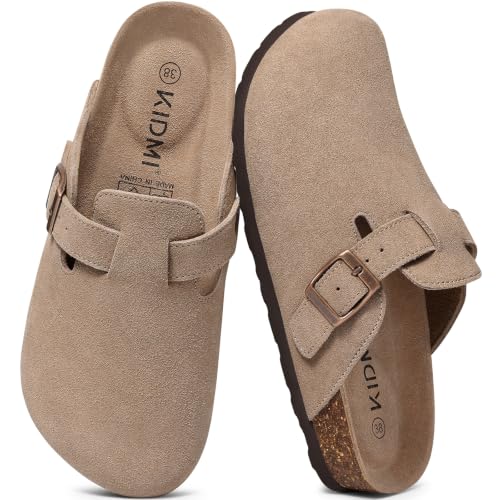
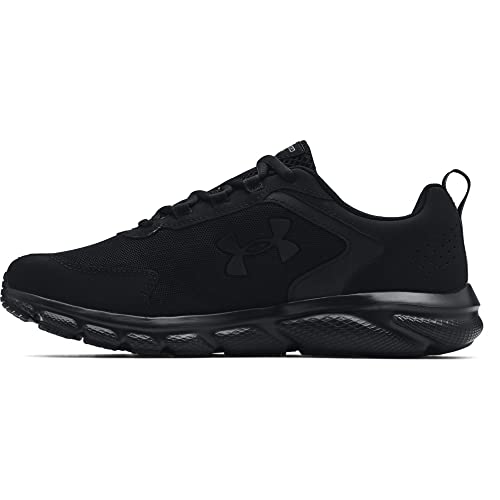
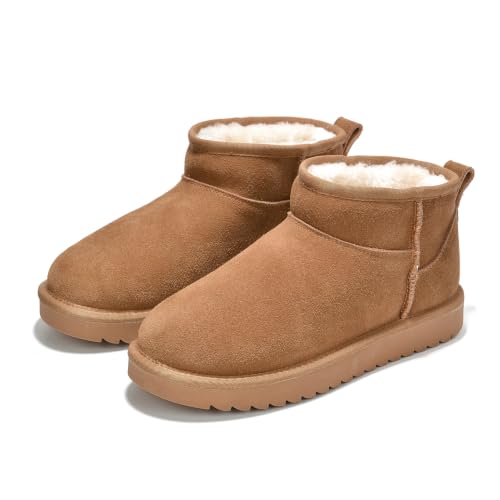
Finding the right fit is crucial. A common mistake is to simply size up. A shoe that is too long can cause tripping and won't solve the width issue. Here’s how to approach it:
1. Measure Your Feet: Use a Brannock device at a shoe store or measure your foot at home. Measure both feet, as one is often slightly larger. Your width size is just as important as your length.
2. Understand Width Codes: In women's shoes, "B" is standard, "D" is wide, and "2E" or "EE" is extra-wide. Most wide width tennis shoes for ladies are available in "D" or "2E".
3. Read Reviews: Pay attention to reviews from other women with wide feet. They often provide invaluable feedback on whether a specific model runs true to size or requires sizing up.
4. Consider Insoles: Sometimes, the perfect shoe can be made even better. If you have specific foot conditions like plantar fasciitis, a supportive insole can make a world of difference. You can learn more about over-the-counter orthotics for pronation if you tend to roll your feet inward.
Playing a long match requires shoes that can keep up. If you often find yourself on the court for hours, our guide on tennis shoes for standing all day offers additional tips for lasting comfort.
Read More →Tennis can be tough on your feet. If you suffer from heel pain, finding the right shoe is critical. Explore our recommendations for tennis court shoes for plantar fasciitis to play pain-free.
Read More →The need for a wider fit isn't limited to the tennis court. For walking and everyday wear, check out our guide on women's walking shoes for wide feet.
Read More →In women's sizing, a "wide" shoe is typically a "D" width, while an "extra-wide" is a "2E" or "EE". The difference is a few millimeters in the sole and upper material. If you find "D" width shoes are still too tight, you should look for "2E" options.
We strongly advise against it. Sizing up will make the shoe too long, which can cause your foot to slide forward, leading to toe jamming and instability. A shoe designed for a wide foot will be wider in the right places (toe box, midfoot) while still being the correct length.
Yes, wide width tennis shoes are available for all court surfaces, including hard courts, clay courts, and grass courts. The key is to choose the right outsole for your primary playing surface, just as you would with standard-width shoes.
Common signs include: your current shoes feel tight on the sides, your feet feel numb or tingle during play, you develop blisters or bunions on the sides of your feet, or you can see your foot bulging over the side of the sole. If you experience any of these, it's time to try a wide width.
The information provided on ShoesTruth is for educational and informational purposes only. We are not professional footwear specialists or cobblers, and our content should not replace professional advice. Always consult with a qualified expert regarding fit, safety, or material-related concerns. Some content may use AI assistance. Always check product warranties and safety standards before purchasing. If you do not agree, please do not use this website. Read the full disclaimer.