
Arch Support Insoles for Overpronation
Discover how the right insoles can correct overpronation, reduce pain, and restore comfort to every step. Your complete guide to choosing, fitting, and benefiting from arch support insoles.
SHOP RECOMMENDED INSOLESQuick Answer: Arch support insoles for overpronation are designed to control excessive inward rolling of the foot by providing firm medial arch support and deep heel stability. They typically cost between $30–$80 for quality over-the-counter options. Look for insoles with a firm arch, deep heel cup, and cushioning under the ball of the foot.
Best Arch Support Insoles for Overpronation
⚠️ AFFILIATE DISCLOSURE: This website contains affiliate links. As an affiliate Associate, we earn from qualifying purchases. If you make a purchase through these links, we may receive a small commission at no additional cost to you. Read our full affiliate policy.

WalkHero Arch Support Inserts for Women Men, Relieve Plantar Fasciitis
Check price on Amazon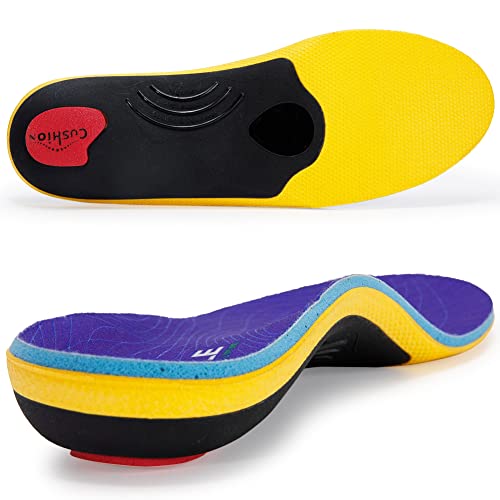
VALSOLE Heavy Duty Support Pain Relief Orthotics - 220+ lbs Plantar Fasciitis High Arch Support Insoles for Men Women, Flat Feet Insert, Work Boot Shoe Insole, Absorb Shock with Every Step
Check price on Amazon
WalkHero Arch Support Inserts, Plantar Fasciitis Insoles with Max Cushion
Check price on Amazon
Dr. Scholl's Stability Support Insoles for Women, Flat Feet, Arch Support
Check price on Amazon
PowerStep Pinnacle Maxx Orthotic Insoles, Maximum Stability & Comfort, Firm & Flexible Angled Heel, Flat Feet & Overpronation, Heavy Duty Shoe Inserts for Men & Women, Made in USA (M 7-7.5, W 9-9.5)
Check price on Amazon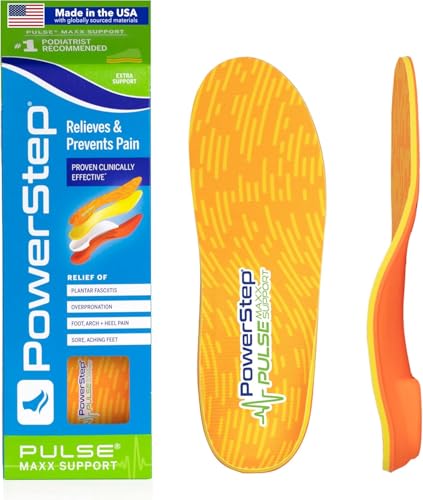
PowerStep Pulse Maxx Running Insoles - Overpronation Corrective Orthotic Inserts for Running Shoes - Maximum Ankle, Foot Pain Relief & Arch Support Insoles - Made in The USA (M 6-6.5 / W 8-8.5)
Check price on Amazon
Plantar Fasciitis Insoles, High Arch Support Shoe Inserts for Women Men
Check price on AmazonWhat Is Overpronation and Why Does It Matter?
Overpronation occurs when your foot rolls inward excessively during walking or running. While a small degree of pronation is natural and helps absorb shock, overpronation disrupts the normal biomechanics of your stride. This excessive inward rolling places strain on the arch, heel, ankles, knees, and even the hips and lower back.
People with flat feet or low arches are more prone to overpronation, but it can affect anyone. Common signs include:
- Excessive wear on the inner side of your shoe soles
- Arch pain or heel pain after walking or standing
- Knee pain, shin splints, or lower back discomfort
- Flat feet or very low arches
- Ankles that roll inward when you walk
If left unaddressed, overpronation can lead to conditions like plantar fasciitis, Achilles tendonitis, and even chronic knee or hip pain. That's why choosing the right arch support insoles for overpronation is critical for anyone experiencing these symptoms.
How Arch Support Insoles Correct Overpronation
Arch support insoles for overpronation work by providing structural support to the medial (inner) arch of your foot. This support prevents the foot from rolling inward excessively, keeping your stride aligned and reducing strain on your entire body.
Key Features to Look For
- Firm Medial Arch Support: The arch support should be firm enough to resist collapsing under your body weight. Soft, flimsy insoles won't correct overpronation.
- Deep Heel Cup: A deep heel cup cradles the heel bone and helps control rearfoot motion, which is essential for stabilizing overpronation.
- Cushioning Under the Ball of the Foot: While support is key, cushioning in the forefoot helps absorb shock and improves comfort during push-off.
- Correct Length and Width: Insoles should fit your shoe properly without crowding your toes or sliding around.
For those with flat feet, insoles that provide both arch support and cushioning are especially important. If you're also dealing with heel pain, consider gel heel insoles for plantar fasciitis which can be combined with arch support for comprehensive relief.
If you're looking for insoles specifically designed for flat feet, our guide to over-the-counter insoles for flat feet provides detailed recommendations.
Types of Insoles for Overpronation
Not all insoles are created equal. Here's a breakdown of the main types available:
| Type | Best For | Price Range | Customization |
|---|---|---|---|
| Over-the-Counter (OTC) Insoles | Mild to moderate overpronation | $30–$80 | Limited (trim-to-fit) |
| Heat-Moldable Insoles | Moderate overpronation, custom fit | $50–$100 | Moderate (heat molding) |
| Custom Orthotics | Severe overpronation, specific conditions | $200–$500+ | Full (prescription-based) |
For most people, high-quality over-the-counter insoles provide sufficient support and relief. However, if you have severe overpronation or a diagnosed foot condition, custom orthotics from a podiatrist may be necessary.
How to Choose the Right Insoles for Your Needs
1. Assess Your Pronation Level
Mild overpronation may only require moderate arch support, while severe overpronation needs firm, structured insoles with deep heel cups. A gait analysis from a podiatrist or specialty running store can help determine your exact needs.
2. Consider Your Footwear
Insoles need to fit properly inside your shoes. If you wear lightweight sneakers with arch support, look for thin insoles that won't crowd your toes. For work boots or roomier shoes, you can use thicker, more structured insoles.
3. Match Insoles to Your Activities
If you're on your feet all day, consider insoles designed for people on their feet all day. For work, insoles for shoes for standing all day provide the support you need. If you're active in sports, look for insoles that balance support with flexibility.
4. Check for Compatibility with Foot Conditions
If you have plantar fasciitis, look for insoles that address both overpronation and heel pain. Our guide to good shoe insoles for standing all day covers options that work for multiple conditions.
5. Prioritize Fit and Comfort
Insoles should feel supportive but not painful. Give yourself a few days to adjust to new insoles. If pain persists or worsens, consult a podiatrist.
Benefits of Using Arch Support Insoles for Overpronation
Investing in the right insoles can transform your daily comfort and long-term foot health. Here's what you can expect:
- Reduced Foot and Arch Pain: By supporting the arch, insoles prevent it from collapsing and straining with each step.
- Improved Alignment: Correcting overpronation helps align your ankles, knees, and hips, reducing strain on your entire body.
- Better Shock Absorption: Quality insoles cushion impact, protecting your joints from repetitive stress.
- Enhanced Stability: Deep heel cups and firm arch support improve balance and stability, especially on uneven terrain.
- Prevention of Future Problems: Addressing overpronation early can prevent conditions like plantar fasciitis, shin splints, and knee pain from developing.
If you're experiencing heel pain alongside overpronation, combining arch support insoles with gel heel insoles for plantar fasciitis can provide targeted relief.
Frequently Asked Questions
Arch support insoles for overpronation are specialized shoe inserts designed to control excessive inward rolling of the foot. They provide medial arch support and heel stability to realign the foot and reduce strain on the ankles, knees, and hips.
Common signs include excessive wear on the inner side of your shoe soles, flat feet or low arches, foot pain in the arch or heel, and discomfort in the knees or lower back after walking or standing. A podiatrist can confirm overpronation through gait analysis.
Yes, over-the-counter insoles can effectively manage mild to moderate overpronation. Look for insoles with firm medial arch support, deep heel cups, and cushioning. For severe cases, custom orthotics from a podiatrist may be necessary.
Over-the-counter arch support insoles for overpronation typically range from $30 to $80. Premium brands and custom orthotics can cost $200 to $500+, depending on the level of customization and materials used.
Most quality insoles last 6 to 12 months with regular use. Replace them when they show signs of wear, lose their shape, or no longer provide the support they once did. Custom orthotics may last 1 to 3 years with proper care.
Yes, you can use insoles in most shoes, but you may need different insoles for different types of footwear. Thin insoles work well in dress shoes and comfortable dressy sandals for walking, while thicker, more structured insoles are better suited for athletic shoes and work boots.
Final Thoughts: Take Control of Your Foot Health
Overpronation doesn't have to control your life. With the right arch support insoles, you can correct your stride, reduce pain, and enjoy greater comfort in every step. Whether you're standing all day at work, walking for exercise, or simply want to prevent future foot problems, investing in quality insoles is one of the smartest decisions you can make for your foot health.
Start by identifying your pronation level, choosing insoles with firm arch support and deep heel cups, and giving yourself time to adjust. If you have severe overpronation or underlying foot conditions, consult a podiatrist for personalized recommendations.
Ready to find relief? Browse our recommended arch support insoles for overpronation above and take the first step toward healthier, more comfortable feet.