ASTM F2413 Protective Toe Classification: What Safety Shoe Ratings Really Mean
Decode the codes on your safety footwear label. Understand impact, compression, electrical hazard, puncture resistance, and metatarsal protection ratings before you buy.
Understanding Safety Footwear Standards: The ASTM F2413 standard is the benchmark for protective toe footwear in the United States. This guide breaks down every rating code, explains what each classification protects against, and helps you match footwear to your specific workplace hazards.
What Is ASTM F2413 Protective Toe Classification?
ASTM F2413 is the Standard Specification for Performance Requirements for Protective (Safety) Toe Cap Footwear. Developed by ASTM International, this standard establishes the minimum design, performance, testing, and classification requirements for footwear designed to protect against workplace hazards[citation:2]. While the standard itself is not law, it is strictly enforced in the United States through the OSHA Foot Protection Standard (29 CFR 1910.136), which requires employers to ensure workers wear protective footwear appropriate to the hazards present[citation:1][citation:3].
When you see a safety shoe marked with "ASTM F2413" and a series of codes, that label is a concise language describing exactly which hazards the footwear has been tested and certified to protect against[citation:10]. Understanding this language is essential for anyone working in construction, manufacturing, electrical trades, or any environment where foot injuries are a risk.
ASTM F2413 and ASTM F2412: The Two Pillars
Protective footwear in the U.S. revolves around two companion ASTM documents[citation:3]:
- ASTM F2413 sets the performance and labeling requirements for protective safety-toe footwear. If a shoe states it complies with ASTM F2413, it has met defined minimum performance thresholds for the protections declared on its label.
- ASTM F2412 details the laboratory test methods used to evaluate footwear against those protections—impact, compression, puncture resistance, electrical properties, and more.
Together, these standards underpin employer obligations under OSHA's foot protection rule. Employers are responsible for conducting workplace hazard assessments to determine what specific personal protective equipment (PPE) is required, and manufacturers use ASTM F2413 to test and certify that their shoes provide adequate protection[citation:1].
Decoding the ASTM F2413 Label: Every Code Explained
ASTM safety footwear features a standardized classification label located on the tongue, gusset, or inner lining[citation:1][citation:13]. The marking is typically presented in a multi-line format. Here is what each component means:
Line 1: The Standard Itself
The first line identifies the standard the shoe complies with, such as ASTM F2413-24. The number following the standard indicates the year of the last revision (24 = 2024). Standards are updated at least every five years to keep pace with technological advancements and modern supply chain shifts[citation:1][citation:13].
Line 2: Gender and Core Protections (I/75 and C/75)
The second line specifies gender and the two fundamental toe protections required for all safety-toe footwear[citation:13]:
- Gender Designation (M or F): "M" stands for Men's sizing and fit, "F" for Women's. All protective qualities are tested to the same rigorous ASTM benchmarks regardless of gender[citation:10][citation:13].
- I/75 (Impact Resistance): The toe cap protects against falling objects up to 75 foot-pounds of kinetic energy. Class 75 is the highest and most common rating. Class 50 also exists but provides lower protection[citation:1][citation:13].
- C/75 (Compression Resistance): The toe cap protects against crushing loads up to 2,500 pounds of force. Like impact, Class 75 is the highest rating[citation:1][citation:13].
Line 3: Additional Hazard Ratings
The third line indicates any additional, specific hazards the shoe protects against. A shoe may carry one or more of these ratings[citation:3][citation:13]:
| Code | Protection Type | Performance Benchmark |
|---|---|---|
| Mt/75 | Metatarsal Protection | Shielding covers the metatarsal upper foot bones against 75 ft-lbs impacts[citation:1][citation:13]. |
| PR | Puncture Resistance | Bottom of footwear resists sole penetration forces up to 270 lbf[citation:1]. |
| EH | Electrical Hazard Protection | Secondary insulation capable of withstanding 18,000V at 60Hz for 1 minute[citation:1]. |
| SD (10, 35, 100) | Static Dissipative | Reduces static buildup; divided into specific resistance levels (SD10, SD35, SD100)[citation:1]. |
| Cd | Conductive Properties | Rapidly grounds static discharge in explosive or highly volatile environments[citation:1]. |
| SR / SRO | Slip Resistance | Evaluates coefficient of friction; SR for wet/dry surfaces, SRO for oily-wet traction[citation:1]. |
Impact and Compression: The Core Ratings (I/75 & C/75)
Every ASTM F2413-certified safety shoe must carry both impact and compression ratings[citation:2]. These are the foundational protections that define a shoe as "safety toe" footwear.
Impact Resistance (I/75) protects the toes from falling objects. The rating of 75 means the toe cap can withstand a 75 foot-pound impact. In practical terms, this simulates a heavy object dropping onto the toe area[citation:13].
Compression Resistance (C/75) protects the toes from rolling objects or crushing forces. C/75 means the toe cap can withstand 2,500 pounds of force. This is critical for workers who may have heavy equipment roll over their feet or work in environments where objects can compress the toe area[citation:13].
Safety toe caps are available in steel, aluminum alloy, and composite materials. Steel is the most common and time-tested, offering affordable strength and resilience. Composite caps made from resins and fiberglass meet the same safety standards and provide notable benefits: they are lighter, do not conduct heat or cold in extreme temperatures, and are non-metallic, allowing easier passage through metal detectors[citation:18].
EH vs. SD vs. CD: Understanding Electrical Ratings
Electrical ratings are often confused, but they serve opposite purposes. Understanding the distinction is critical for safety[citation:13].
EH (Electrical Hazard) footwear is designed to insulate you from the ground, protecting against accidental contact with live circuits. These boots have non-conductive soles and heels that provide a secondary barrier. EH footwear is for incidental contact with live parts—it is not a substitute for dielectric boots or electrical PPE[citation:3][citation:13].
SD (Static Dissipative) and CD (Conductive) footwear do the opposite: they connect you to the ground to prevent static buildup. SD footwear protects sensitive electronic equipment by safely channeling body charge to the ground. CD footwear rapidly grounds static discharge in explosive or highly volatile environments[citation:1][citation:13].
Critical distinction: Wearing EH footwear when you need SD (or vice versa) can be dangerous. EH insulates; SD conducts. Know your hazard[citation:13].
PR (Puncture Resistance): Protection from Below
A PR rating means the footwear has a puncture-resistant plate built into the sole. This plate protects the foot from sharp objects like nails, scrap metal, or glass that could penetrate the bottom of the boot[citation:3][citation:13].
Workers in construction, demolition, recycling, and any environment with sharp debris on the ground should prioritize PR-rated footwear. Without this rating, a standard safety toe shoe offers zero certified protection against sole punctures[citation:13].
Mt/75 (Metatarsal Protection): Beyond the Toe
While the safety toe protects the toes, the metatarsal bones at the top of the foot are also vulnerable to falling or rolling objects. An Mt/75 rating indicates the footwear has a metatarsal guard that shields these bones against 75 ft-lbs of impact[citation:1][citation:13].
For tasks with higher risk of mid-foot strikes—such as working with heavy materials, construction, or mining—metatarsal protection is a critical consideration beyond the standard toe cap[citation:3].
Important Limitations of ASTM F2413 Certification
Knowing what the codes mean also involves understanding what they don't mean[citation:2][citation:10]:
- Absence of a code means absence of protection. A boot labeled only M/I/75/C/75 has a safety toe but offers no certified protection against electrical hazards, punctures, or metatarsal impacts[citation:10].
- Modifications void the certification. Replacing or adding after-market footbeds/inserts, or resoling the footwear, could cause failure to meet the standard, rendering the ASTM marking invalid[citation:2].
- Laboratory tests are not universal guarantees. Controlled laboratory tests used to determine compliance do not establish performance levels for all situations to which individuals may be exposed[citation:2].
- The standard does not cover overshoes or strap-on devices. ASTM F2413 is not applicable to overshoes with safety toe caps or strap-on devices with safety toes[citation:2].
What Changed in the ASTM F2413-24 Update?
The transition from ASTM F2413-18 to ASTM F2413-24 introduces refined definitions, newly integrated unisex sizing guidelines, and formalized alignments with modernized testing methods. Notably, the 2024 update addresses modern supply chain shifts by formally standardizing unisex sizing metrics and integrates more rigorous test alignments for lightweight composite toe caps. It also introduces clearer labeling frameworks for slip-resistant outsoles[citation:1].
When purchasing safety footwear, checking the standard year on the label helps ensure you are getting a product tested to current performance thresholds. Older versions like ASTM F2413-11 or F2413-17 indicate the footwear met the standards of that era but may not reflect the latest testing protocols[citation:1][citation:6].
How to Match ASTM Ratings to Your Workplace Hazards
Use this practical guide to align your footwear's ratings with your specific risks[citation:10][citation:13]:
- Heavy falling or rolling objects: Your minimum is I/75 and C/75. Add Mt/75 if objects could strike the top of your foot.
- Electrical work near live circuits: EH rating is non-negotiable for secondary shock protection.
- Construction or sites with sharp debris: Look for PR to protect against sole punctures from nails and scrap.
- Electronics manufacturing or volatile environments: SD or CD ratings control static discharge.
- Wet or oily surfaces: SR or SRO ratings indicate tested slip resistance.
For workers who stand all day on concrete in safety footwear, adding aftermarket shock-absorbing insoles can significantly improve comfort without compromising the shoe's protective integrity—though be aware that modifying the footbed may void the ASTM certification[citation:2].
If you work in healthcare settings where safety footwear is less about impact hazards and more about slip resistance and all-day comfort, explore comfortable shoes for healthcare workers designed with arch support and cushioning for long shifts.
For those with specific foot conditions like plantar fasciitis, finding safety-rated footwear that also accommodates orthotic inserts can be challenging. Look for shoes with removable footbeds to accommodate custom orthotics, or explore comfortable work shoes with arch support that can meet both safety and comfort needs.
Recommended ASTM F2413 Safety Toe Footwear
⚠️ AFFILIATE DISCLOSURE: This website contains affiliate links. As an affiliate Associate, we earn from qualifying purchases. If you make a purchase through these links, we may receive a small commission at no additional cost to you. Read our full affiliate policy.

Vans Men's Brooklyn LS Shoe, Suede/Canvas Black/White, 10.5
Check price on Amazon
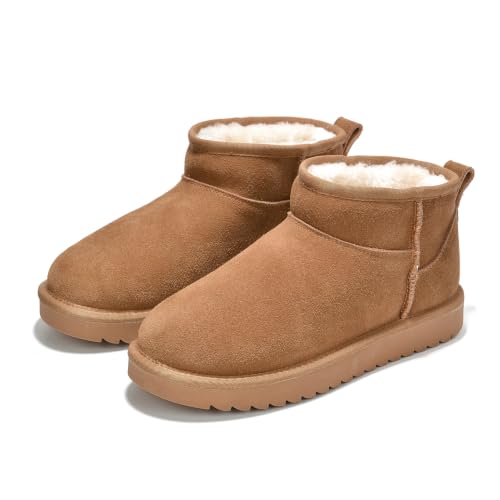
UGG Tasman II Women's Slipper, 8 B(M) US, Chestnut
Check price on Amazon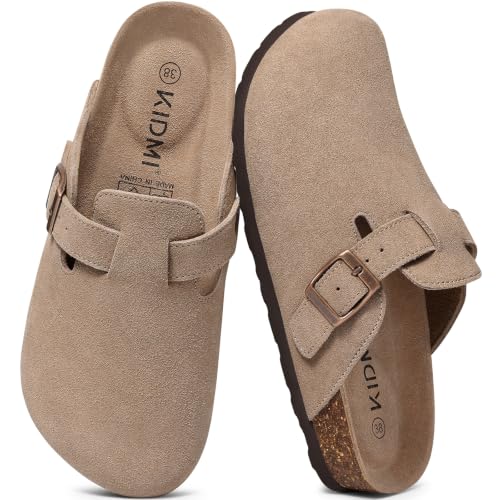
KIDMI Genuine Suede Clogs for Women Men Cork Footbed Mules Potato Shoes | Arch Support, Comfortable, Leather Slip On, Fall, Casual, Indoor Outdoor, Non-slip Rubber Sole, Adjustable Metal Buckle
Check price on Amazon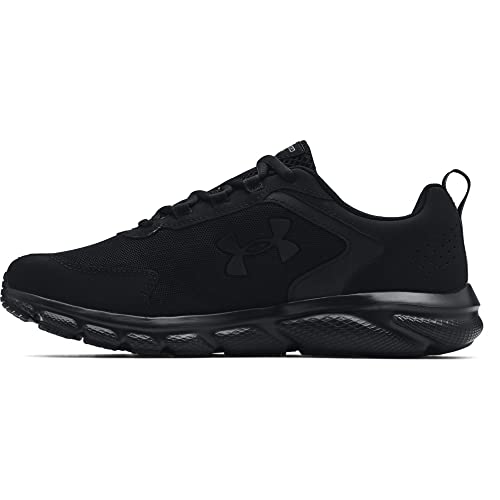
Under Armour Men's Charged Assert 9DISC, Black (003)/Black, 10.5 M US
Check price on Amazon
adidas Men's Daily 4.0, Olive Strata/Shadow Olive/Gum, 10.5 | Casual Shoes, Skateboarding Shoes, Low-Cut, Regular Fit, Lace-Up, For Skateboarding and Everyday Wear
Check price on Amazon
ODOLY Genuine Suede Clogs for Women Men Comfort Cork Footbed Potato Shoes | Unisex Lightweight Slip-On Leather Mules with Arch Support, Adjustable Buckle, Indoor Outdoor Footwear Taupe39
Check price on Amazon