Choosing the Best Shoes for Standing All Day
Go beyond the basics with our comprehensive guide to footwear that keeps you comfortable through the longest shifts.
Read More →
Working 12-hour shifts on hard hospital floors demands footwear that supports, protects, and endures. Discover the essential features and top recommendations for nurses, doctors, and medical staff.
SEE TOP RECOMMENDATIONSThe Healthcare Worker's Footwear Challenge: You walk an average of 4-5 miles per shift, often on unforgiving surfaces. The right shoes aren't a luxury—they're essential equipment for your physical well-being and your ability to provide excellent patient care.
Healthcare professionals face a unique combination of physical demands: prolonged standing, constant walking, exposure to spills and fluids, and the need for both safety and professionalism. Unlike a typical office job, you can't simply sit down when your feet ache. This makes choosing the right footwear one of the most critical decisions for your daily comfort and long-term joint health.
The consequences of poor footwear range from immediate discomfort like blisters and arch pain to chronic conditions such as plantar fasciitis, knee strain, and lower back problems. For those already managing conditions like being on concrete all day, the right shoes can be transformative. Investing in quality footwear is an investment in your career longevity and overall quality of life.
This guide will walk you through the essential features to look for, help you match shoes to your specific role, and present the best options available. Whether you're a nurse, doctor, technician, or support staff, you'll find the information needed to make an informed purchase.
⚠️ AFFILIATE DISCLOSURE: This website contains affiliate links. As an affiliate Associate, we earn from qualifying purchases. If you make a purchase through these links, we may receive a small commission at no additional cost to you. Read our full affiliate policy.
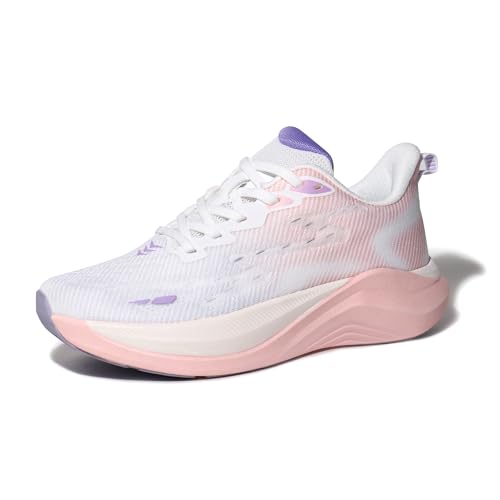


Before you buy, understand what separates a shoe that will support you through a grueling shift from one that will leave you in pain. These are the non-negotiable features for any medical professional.
Different roles have different priorities. A surgeon may prioritize a shoe that can be sterilized, while a nurse walking miles of hallways needs maximum cushioning. Use this table as a general guide to prioritize your needs.
| Role | Primary Need | Key Feature to Prioritize | Recommended Shoe Style |
|---|---|---|---|
| Registered Nurses (RNs) | All-day walking & standing | Maximum cushioning & arch support | Athletic sneaker or supportive sneakers |
| Surgeons & OR Staff | Sterile environment & stability | Slip-resistant, easily cleanable, secure fit | Clogs or professional work shoes |
| Emergency Room (ER) Staff | Fast-paced, unpredictable movement | Slip-resistance, agility, durability | Lightweight athletic shoe with non-slip outsole |
| Doctors (Rounds) | Professional look & comfort | Supportive, dressier aesthetic | Business casual walking shoes or sleek sneakers |
| Physical Therapists | Demonstrating exercises, mobility | Flexibility, stability, secure fit | Cross-trainers or lightweight athletic shoes |
| Nursing Students | Clinical rotations (long hours) | Budget-friendly, all-day comfort | Versatile white leather sneakers |
Many healthcare workers manage existing foot conditions that can be aggravated by the job. The right shoe can be a game-changer for these individuals.
Plantar Fasciitis: This painful inflammation of the foot's arch is common among those who stand for long periods. Shoes with excellent arch support and deep heel cups are essential. For specific recommendations, see our guide to professional shoes for plantar fasciitis. For those who need custom support, over-the-counter orthotics can be added to a neutral shoe.
Flat Feet: A lack of arch support can lead to overpronation and pain. Look for stability shoes with good arch support. Our article on arch support shoes for women provides excellent starting points.
Wide or Swollen Feet: Working long shifts can cause feet to swell. Shoes with a wide toe box or adjustable straps are beneficial. Consider extra-wide options if standard widths are too tight.
Back and Knee Pain: The shock absorption of your shoes directly impacts the stress on your joints. Look for shoes with thick, high-quality cushioning and consider adding insoles for standing on concrete for an extra layer of protection.
You don't have to sacrifice looking professional for feeling comfortable. Many modern brands offer shoes that blend clinical requirements with contemporary style. For those who prefer a more polished look, comfortable business casual walking shoes can work well for administrative roles. For a casual-but-professional vibe, business casual sneakers for ladies are increasingly acceptable in many healthcare settings.
If you work in a more relaxed environment, there are comfortable and stylish sneakers that look great while providing the support you need. The key is to prioritize function first, then find a style that fits your workplace culture.
To get the most out of your investment, proper care is essential. Healthcare environments expose shoes to spills, chemicals, and bacteria. Wipe down your shoes regularly with disinfecting wipes if the material allows. For leather shoes, use a conditioner to prevent drying and cracking. Rotating between two pairs of shoes is also recommended, as it allows the cushioning to recover between shifts and extends the life of each pair. Remember, a well-maintained shoe provides better support for longer.
Your feet are your foundation. As a healthcare worker, you deserve footwear that supports you as tirelessly as you support your patients. Use the recommendations above, review the products we've highlighted, and make a choice that prioritizes your comfort and safety. Your body—and your patients—will thank you.
Go beyond the basics with our comprehensive guide to footwear that keeps you comfortable through the longest shifts.
Read More →Understand the different types of arch support and how to determine what your feet actually need.
Read More →Learn how slip-resistant outsoles work and why they are non-negotiable in healthcare environments.
Read More →The information provided on ShoesTruth is for educational and informational purposes only. We are not professional footwear specialists or cobblers, and our content should not replace professional advice. Always consult with a qualified expert regarding fit, safety, or material-related concerns. Some content may use AI assistance. Always check product warranties and safety standards before purchasing. If you do not agree, please do not use this website. Read the full disclaimer.