
Baby Walking Shoes: The Complete Guide to Your Baby's First Steps
Everything you need to know about choosing the perfect first walking shoes for your baby. From sizing and safety to development milestones, we've got you covered.
FIND THE BEST SHOESShoesTruth Philosophy: A baby's first steps are a monumental milestone. The right pair of baby walking shoes can support healthy foot development, provide stability, and keep those tiny toes protected—without restricting natural movement. This guide will help you make an informed decision.
Best Baby Walking Shoes for Your Little One
⚠️ AFFILIATE DISCLOSURE: This website contains affiliate links. As an affiliate Associate, we earn from qualifying purchases. If you make a purchase through these links, we may receive a small commission at no additional cost to you. Read our full affiliate policy.

Vans Men's Brooklyn LS Shoe, Suede/Canvas Black/White, 10.5
Check price on Amazon
UGG Tasman II Women's Slipper, 8 B(M) US, Chestnut
Check price on Amazon
adidas Men's Daily 4.0, Olive Strata/Shadow Olive/Gum, 10.5 | Casual Shoes, Skateboarding Shoes, Low-Cut, Regular Fit, Lace-Up, For Skateboarding and Everyday Wear
Check price on Amazon
ODOLY Genuine Suede Clogs for Women Men Comfort Cork Footbed Potato Shoes | Unisex Lightweight Slip-On Leather Mules with Arch Support, Adjustable Buckle, Indoor Outdoor Footwear Taupe39
Check price on Amazon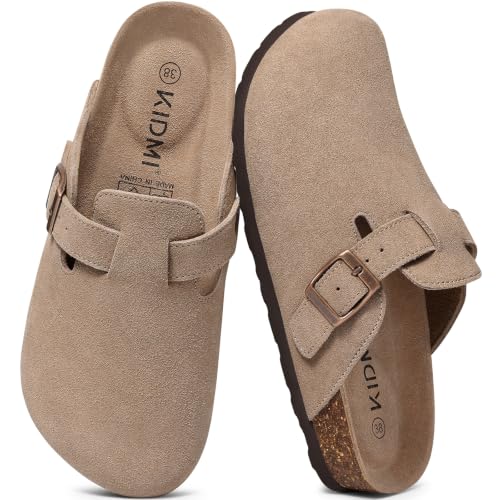
KIDMI Genuine Suede Clogs for Women Men Cork Footbed Mules Potato Shoes | Arch Support, Comfortable, Leather Slip On, Fall, Casual, Indoor Outdoor, Non-slip Rubber Sole, Adjustable Metal Buckle
Check price on Amazon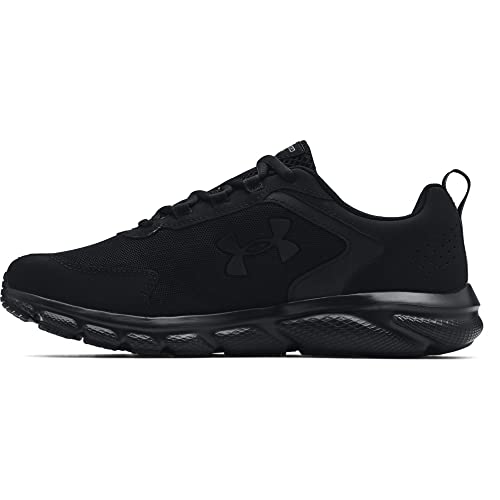
Under Armour Men's Charged Assert 9DISC, Black (003)/Black, 10.5 M US
Check price on Amazon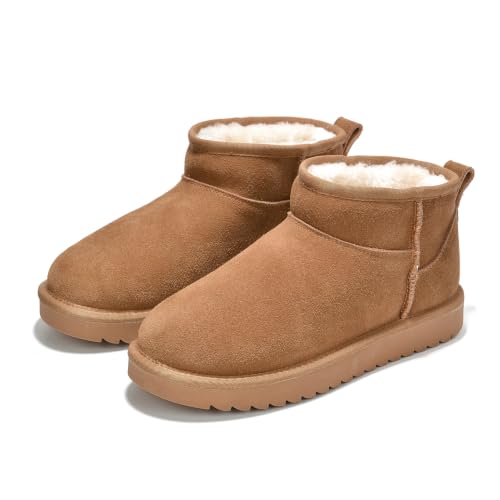
PROJECT CLOUD 100% Genuine Leather Womens Boots Ankle Boots for Women Shoes | Water Resistant Memory Foam Insole Winter Shoes - Trendy Footwear Outdoor Fall Shoes for Women - Winter Booties for Women
Check price on AmazonWhy Baby Walking Shoes Matter for Healthy Development
When your baby starts cruising furniture and taking those first wobbly steps, their feet are still developing. Unlike adult feet, a baby's foot is mostly cartilage, with bones gradually ossifying over the first few years. The wrong footwear can interfere with this natural process, leading to issues later in life. That's why choosing the right baby walking shoes is about more than just style—it's about supporting healthy growth.
The ideal first walking shoe is flexible, lightweight, and has a wide toe box that allows tiny toes to spread naturally. It should also have a non-slip sole for traction on smooth surfaces and a secure closure that keeps the shoe on without being too tight. According to pediatric orthopedists, barefoot walking is actually best for development indoors, but when you venture outside, proper baby walking shoes become essential for protection and stability.
If you're also looking for shoes for older kids, you might explore our guides on toddler girl shoes and toddler boy shoes for the next stage of their footwear journey.
Key Features to Look for in Baby Walking Shoes
1. Flexibility
The shoe should bend easily at the ball of the foot, mimicking the natural motion of walking. A stiff sole can cause tripping and hinder balance. Test by holding the shoe at the heel and toe and pressing the middle—it should flex without much resistance.
2. Lightweight Construction
Babies expend a lot of energy learning to walk. Heavy shoes can fatigue them quickly. Look for lightweight materials like breathable mesh, soft leather, or flexible synthetic fabrics. The shoe should feel almost weightless in your hand.
3. Wide Toe Box
A baby's toes need room to spread for balance and grip. A wide, rounded toe box prevents cramping and allows natural toe movement. Avoid pointed or narrow styles that can deform developing feet.
4. Secure Closure
Velcro, hook-and-loop straps, or elastic laces are best for babies. They allow for easy on-and-off while ensuring the shoe stays put during active play. Avoid long laces that can become a tripping hazard.
5. Non-Slip Sole
A rubber or suede sole with good traction prevents slips on smooth floors. For outdoor use, a slightly thicker rubber sole with a tread pattern works well, but it should still be flexible.
6. Breathable Materials
Babies' feet sweat more than adults'. Breathable materials like mesh, canvas, or perforated leather help keep feet dry and prevent odor and fungal infections.
How to Measure and Size Baby Walking Shoes
Getting the right size is critical. A shoe that's too small can cause blisters and restrict growth, while one that's too big can cause tripping and falls. Here's a simple step-by-step guide:
Step 1: Measure at the Right Time
Measure your baby's feet at the end of the day when feet are slightly swollen. Stand your baby on a piece of paper and trace both feet. Measure from the heel to the longest toe.
Step 2: Add Growth Room
Add about 0.5 to 1 cm (or a thumb's width) to the measurement for growth room. This allows for movement and gives you a few months of wear before they outgrow the shoes.
Step 3: Check the Fit
When the shoe is on, press down on the toe area—there should be a small gap. Check that the heel doesn't slip out when walking. The shoe should feel snug but not tight.
Step 4: Re-Measure Every 2-3 Months
Babies' feet grow rapidly—up to half a shoe size every 2-3 months. Regular checks ensure you're not squeezing their feet into too-small shoes. For more sizing tips, see our shoe inserts guide for additional comfort options.
Types of Baby Walking Shoes
Cruisers and Pre-Walkers
Designed for babies who are pulling up and cruising furniture. These shoes have soft soles, often made of leather or suede, and provide minimal protection while allowing maximum flexibility. They're ideal for indoor use and early outdoor steps.
First Walkers
For babies who are taking independent steps. These have slightly firmer soles for outdoor traction but remain flexible. Look for features like reinforced toes, padded collars, and secure closures. Many parents find that comfortable shoes for women principles apply here too—comfort and support are key.
Sneakers and Athletic Styles
Miniature versions of adult sneakers, these offer good support and are great for active toddlers. Brands often design them with breathable mesh and cushioned insoles. If you're interested in adult versions, check out our pink sneakers and chunky sneakers pages for style inspiration.
Sandals and Summer Shoes
For warmer months, baby sandals with secure straps and closed toes are a good choice. They allow airflow while protecting tiny toes. Our summer sandals guide has more ideas for seasonal footwear.
Safety Tips and Shoe Care for Baby Walking Shoes
Once you've chosen the right baby walking shoes, proper care ensures they last longer and stay hygienic. Here are some essential tips:
- Check for wear regularly: Inspect soles for uneven wear, which can indicate gait issues or poor shoe fit. Replace shoes when they show signs of significant wear.
- Keep them clean: Wipe leather and synthetic shoes with a damp cloth. For mesh shoes, use a soft brush and mild soap. Allow to air dry—never put them in the dryer, as heat can warp materials.
- Rotate shoes: If possible, have two pairs and rotate them. This gives each pair time to dry out and reduces odor-causing bacteria.
- Use odor control: Sprinkle baking soda inside shoes or use baby-safe shoe deodorizers. Our shoe department has more products for foot hygiene.
- Check for recalls: Periodically check the CPSC website for any recalls on baby shoes, especially those with small parts that could detach.
Common Mistakes Parents Make When Buying Baby Walking Shoes
Buying Shoes Too Big or Too Small
While it's tempting to buy shoes your baby can "grow into," oversized shoes cause tripping and don't provide proper support. Conversely, shoes that are too small can damage developing feet. Always measure and add only the recommended growth room.
Choosing Style Over Function
Those adorable hard-soled dress shoes might look great, but they're often unsuitable for walking. Prioritize flexibility, fit, and safety over fashion. For special occasions, consider girls dress shoes or boys sneakers that balance style and comfort.
Ignoring the Sole Material
Thick, rigid soles are a no-go for new walkers. They prevent the foot from bending naturally and can cause falls. Stick with flexible rubber or suede soles for early walkers.
Not Checking the Fit Regularly
Babies' feet grow quickly—sometimes a full size in just a few months. Check the fit every few weeks. If you see redness or your baby resists wearing the shoes, it might be time for a new pair.
Frequently Asked Questions About Baby Walking Shoes
When should my baby start wearing walking shoes?
Babies don't need shoes until they start walking independently outdoors. Indoors, barefoot is best for development. Once they're walking outside, choose flexible, well-fitted shoes. For pre-walkers, soft-soled shoes or socks with grips are sufficient.
How often should I replace baby walking shoes?
Typically every 2-3 months, as babies' feet grow rapidly. Check the fit regularly—if there's less than a thumb's width at the toe, it's time for a new pair. Also replace shoes that show significant wear or damage.
Are expensive baby walking shoes better?
Not necessarily. Price doesn't always correlate with quality. Focus on features: flexibility, lightweight construction, wide toe box, and secure closure. Many affordable brands offer excellent options. You can also check our shoe sale page for deals.
Can my baby wear hand-me-down shoes?
It's generally not recommended. Hand-me-down shoes mold to the previous wearer's foot, which can cause discomfort and gait issues for your baby. If you do use them, ensure they're in excellent condition and fit properly.
What are the best materials for baby walking shoes?
Breathable materials like mesh, soft leather, and canvas are ideal. They allow airflow, prevent sweating, and are flexible. Avoid synthetic materials that don't breathe, as they can cause odor and fungal issues.
Ready to Find the Perfect Pair?
Choosing the right baby walking shoes is one of the most important decisions you'll make for your child's early development. With the tips in this guide, you're well-equipped to find shoes that support healthy growth, provide comfort, and keep your little one safe as they explore the world.
Don't forget to check out our recommended products above, and for more footwear guidance, explore our other resources like kids running shoes and baby walking shoes.
SHOP BABY WALKING SHOES NOW