
Barefoot Running Shoes for Beginners: Your Complete Guide
Everything you need to know before buying your first pair of barefoot running shoes. Learn about zero-drop design, transition techniques, and how to run naturally without injury.
The Barefoot Truth: Barefoot running shoes are not just a trend—they represent a fundamental shift in how we think about running. This guide will walk you through everything a beginner needs to know, from understanding what "barefoot" really means to choosing the right pair for your feet.
Top Rated Barefoot Running Shoes for Beginners
⚠️ AFFILIATE DISCLOSURE: This website contains affiliate links. As an affiliate Associate, we earn from qualifying purchases. If you make a purchase through these links, we may receive a small commission at no additional cost to you. Read our full affiliate policy.
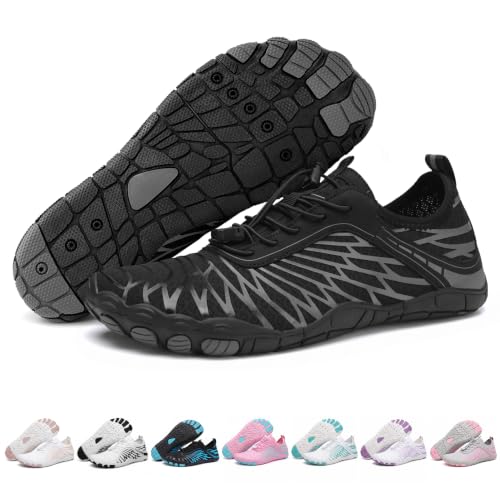
ELETON Barefoot Shoes Women Men Hiking Water Shoes Wide Toe Box Zero Drop
Check price on Amazon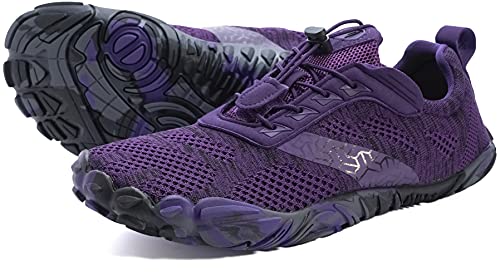
Joomra Women's Trail Running Barefoot Shoes Zero Drop, Purple, 7.5-8
Check price on Amazon
2026 New Barefoot Shoes Women Men Footwear,Wide Toe Box Beach Water Shoe
Check price on Amazon
WHITIN Men's Wide Width Trail Running Barefoot Shoes Minimus, Black, 11
Check price on Amazon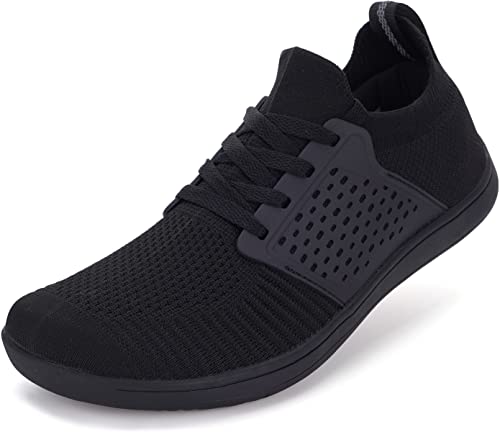
WHITIN Men's Wide Toe Box Minimalist Shoes Sock-Like Comfort, All Black, 13
Check price on Amazon
Besroad Women's Barefoot Shoes Zero Drop Trail Running Shoes AllBlack 8W
Check price on Amazon
WHITIN Men's Wide Width Trail Running Barefoot Shoes Minimus, Grey, 11
Check price on Amazon
The Barefoot Running Book: The Art and Science of Barefoot and Minimalist Shoe Running
Check price on AmazonWhat Are Barefoot Running Shoes?
Barefoot running shoes, also known as minimalist shoes or zero-drop shoes, are designed to mimic the experience of running barefoot while still providing a thin layer of protection for your feet. Unlike traditional running shoes that feature thick cushioned heels and supportive arches, barefoot shoes have a flat profile from heel to toe (zero drop), a wide toe box that allows your toes to splay naturally, and minimal cushioning that encourages your feet to work as they were designed to.
The philosophy behind barefoot running is simple: human feet evolved over millions of years to run efficiently without artificial support. When you wear thick, cushioned shoes, your feet become lazy—the muscles weaken, and your natural running form deteriorates. Barefoot shoes aim to reverse this by forcing your feet to engage more actively with every stride. If you are still exploring different types of running footwear, our guide to comfortable running shoes for women can help you compare traditional options with minimalist designs.
Why Should Beginners Consider Barefoot Running Shoes?
If you are new to running or looking to improve your form, barefoot running shoes offer several compelling benefits. However, they are not for everyone, and understanding both the advantages and risks is crucial before you commit.
Benefits of Barefoot Running Shoes
- Stronger Feet: Minimalist shoes force your foot muscles, tendons, and ligaments to work harder, leading to increased strength over time.
- Better Running Form: Without thick heel cushioning, you are naturally encouraged to land on your midfoot or forefoot rather than your heel, which can reduce impact forces on your joints.
- Improved Proprioception: Barefoot shoes increase sensory feedback from the ground, helping you adjust your stride more intuitively.
- Wider Toe Splay: The wide toe box allows your toes to spread naturally, which can prevent issues like bunions and improve balance.
- Lighter Weight: Minimalist shoes are significantly lighter than traditional running shoes, reducing fatigue over long distances.
Risks and Considerations
The biggest risk with barefoot running shoes is doing too much too soon. Your feet and calves need time to adapt to the new demands. Jumping straight into long runs without a proper transition period can lead to injuries such as plantar fasciitis, Achilles tendonitis, or stress fractures. If you have pre-existing foot conditions like plantar fasciitis, you should consult a podiatrist before making the switch. Similarly, runners with high arches may need to take extra precautions during the transition.
Key Features to Look for in Barefoot Running Shoes
Not all minimalist shoes are created equal. When shopping for your first pair, pay close attention to these features:
1. Zero Drop (Heel-to-Toe Offset)
The heel and toe of the shoe should be at the same height. Traditional running shoes often have a 10-12mm drop, while barefoot shoes have a 0mm drop. This encourages a more natural foot strike and promotes better alignment throughout your body.
2. Wide Toe Box
Your toes should be able to spread out completely without feeling cramped. A wide toe box is essential for natural foot function and prevents blisters and bunions. If you have wide feet, you may also want to explore men's wide sneakers with arch support as an alternative option.
3. Thin, Flexible Sole
The sole should be thin enough that you can feel the ground beneath you, yet protective enough to shield your feet from sharp objects. Flexibility is key—the shoe should bend and twist with your foot's natural movements.
4. Lightweight Construction
Barefoot shoes typically weigh between 4 and 8 ounces. The lighter the shoe, the less energy you expend with each stride.
5. Minimal Cushioning
Look for shoes with little to no cushioning. Some barefoot shoes have a thin removable insole, while others have none at all. This is intentional—it allows your feet to feel the ground and respond accordingly.
How to Transition to Barefoot Running Shoes Safely
The transition to barefoot running is a marathon, not a sprint. Rushing it is the number one cause of injury. Here is a safe, step-by-step approach for beginners:
- Start with Walking: Before you run, walk in your barefoot shoes for a few weeks. This allows your feet and calves to begin adapting to the new demands.
- Begin with Short Runs: Once you are comfortable walking, start with very short runs—just 5 to 10 minutes at a time. Focus on maintaining a light, midfoot strike.
- Increase Gradually: Follow the 10% rule—never increase your weekly mileage by more than 10% per week. Some experts recommend an even slower progression.
- Listen to Your Body: Soreness in your feet and calves is normal during the transition. Sharp pain is not. If you experience sharp pain, stop and rest.
- Alternate Shoes: Many beginners alternate between barefoot shoes and traditional running shoes to give their feet time to recover. If you need a reliable pair of traditional shoes for your non-barefoot days, consider our guide to comfortable running shoes for women or lightweight cushioned running shoes.
- Be Patient: Full adaptation can take 6 to 12 months. Everyone is different, so do not compare your progress to others.
Price Range for Beginners: Barefoot running shoes typically cost between $80 and $160. Entry-level models from brands like Xero Shoes and Merrell start around $80–$100, while premium options from Vivobarefoot and Vibram FiveFingers can range from $120 to $160+. You do not need to spend a fortune to get started—focus on fit and features rather than brand prestige.
Common Mistakes Beginners Make
Learning from others' mistakes can save you months of frustration and potential injury. Here are the most common pitfalls to avoid:
- Doing Too Much Too Soon: This is by far the biggest mistake. Your cardiovascular fitness may be ready for a 5-mile run, but your feet and calves are not. Respect the transition process.
- Ignoring Pain: Discomfort is normal; pain is not. If you feel sharp pain in your heel, arch, or Achilles tendon, stop running immediately and rest.
- Choosing the Wrong Size: Barefoot shoes should fit snugly but allow room for your toes to spread. Many beginners buy shoes that are too small, leading to blisters and discomfort. If you have wide feet, you may also want to look at women's wide shoes with velcro straps for a more adjustable fit.
- Running on Hard Surfaces Immediately: Start on grass, dirt trails, or a rubber track before transitioning to concrete or asphalt.
- Neglecting Strength Training: Incorporate foot and calf strengthening exercises into your routine to support your transition.
Are Barefoot Running Shoes Right for You?
Barefoot running shoes are not for everyone. They are best suited for runners who are willing to commit to a slow, patient transition and who do not have pre-existing foot conditions that require structured support. If you have flat feet, comfortable shoes for wide flat feet or shoes recommended by podiatrists may be a safer choice. Similarly, if you are training for a marathon, you may want to keep a traditional pair in your rotation for long runs.
That said, many runners find that incorporating barefoot shoes into their training—even just for short runs or walking—improves their overall form and foot strength. If you are curious, start with a low-cost entry-level pair and see how your body responds.
Frequently Asked Questions
Can I run a marathon in barefoot shoes?
Yes, but only after a very long and careful transition period. Most experts recommend at least 1-2 years of consistent barefoot running before attempting a marathon distance. Even then, many runners prefer to use traditional shoes for very long distances.
How do I know if barefoot shoes are right for me?
Start by walking in barefoot shoes for a few weeks. If you enjoy the feeling and your feet respond well, gradually introduce short runs. If you experience persistent pain, consult a podiatrist.
Do barefoot shoes have arch support?
No, barefoot shoes are designed without arch support. The idea is that your foot's natural arch should strengthen and support itself over time. If you need arch support, you may want to look at stylish shoes with good arch support instead.
What is the best surface for beginner barefoot runners?
Start on soft, forgiving surfaces like grass, dirt trails, or a rubber track. Avoid concrete and asphalt until you have built up foot strength and confidence.
Can I wear barefoot shoes for walking?
Absolutely. In fact, walking is the best way to start your barefoot journey. Many people wear barefoot shoes for everyday walking even if they do not run in them. If you are looking for comfortable walking options, our guide to comfortable walking shoes for women and memory foam walking shoes for women can provide additional insights.
Final Thoughts
Barefoot running shoes offer a unique opportunity to reconnect with your natural running form and build stronger, healthier feet. However, they require patience, commitment, and a willingness to start slow. If you are a beginner, focus on walking first, gradually introduce short runs, and listen to your body every step of the way. With the right approach, barefoot running can be a rewarding addition to your fitness routine.
Remember, the best shoe is the one that fits your foot and your goals. Whether you choose barefoot shoes or traditional running shoes, the most important thing is to stay active and enjoy the journey.