

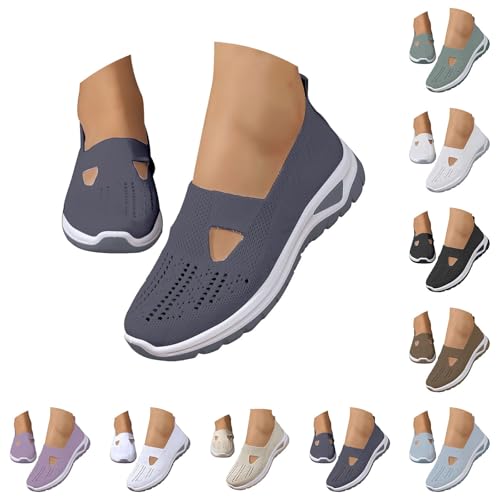


The Gold Standard: What Podiatrists Look For in a Shoe
When you ask a podiatrist, "Which shoes do you recommend?", you won't get a single brand name. Instead, they'll describe a set of features that promote healthy foot mechanics. The best shoe is one that fits your unique foot shape, supports your arch, and provides a stable base for your daily activities. Whether you're dealing with a specific condition or simply want to prevent future problems, understanding these core principles is the first step toward better foot health.
The foundation of any podiatrist-approved shoe is proper fit. This means enough room in the toe box for your toes to spread naturally, a snug heel that doesn't slip, and a secure midfoot. A shoe that is too tight can cause bunions, blisters, and nerve pain, while one that is too loose can lead to instability and falls. This is especially critical for those with specific foot shapes; for instance, individuals with wide flat feet often need a roomier fit and enhanced stability, while those needing more volume might find relief with men's wide sneakers with arch support.
Beyond fit, podiatrists emphasize support and cushioning. A firm heel counter stabilizes the ankle, a rigid shank provides midfoot support, and a cushioned sole absorbs impact. The right balance depends on your foot type and gait. For example, someone with high arches needs more cushioning to absorb shock, making running shoes for high arches an excellent choice. Conversely, someone with flat feet may benefit from more motion control and stability features to prevent overpronation.
Key Features Podiatrists Prioritize
- Proper Fit: Ample toe box, secure heel, and no pressure points.
- Arch Support: A footbed that matches your arch type to distribute pressure evenly.
- Cushioning: Adequate shock absorption, especially in the heel and forefoot.
- Stability: A firm heel counter and a non-flexible midfoot to control motion.
- Flexibility: The shoe should bend at the toes, not in the middle of the arch.
- Lightweight Design: Reduces fatigue, especially for those with conditions like walking on the outside of the foot or other gait abnormalities.
Top Shoe Categories Podiatrists Recommend
Podiatrists often recommend specific categories of shoes based on their design and the foot issues they address. Here are the most trusted types:
1. Stability and Motion Control Running Shoes
These are the workhorses of podiatric recommendations. They are designed to limit excessive inward rolling (overpronation) of the foot. They feature a firmer midsole, a medial post (a denser foam on the inner side), and a robust heel counter. They are ideal for people with flat feet, mild to moderate overpronation, or those who need extra support for conditions like plantar fasciitis. A good example of a condition that benefits from this category is finding good sneakers for plantar fasciitis.
2. Neutral Cushioned Shoes
For individuals with a neutral gait or high arches, a neutral cushioned shoe is often the best choice. These shoes prioritize shock absorption and comfort over motion control. They are more flexible and have softer midsoles, providing a plush ride. If you have high arches and experience pain, looking for stylish shoes with good arch support that fall into this category can be a game-changer. For runners, a lightweight cushioned running shoe can offer the perfect blend of performance and protection.
3. Walking Shoes
Walking shoes are engineered for the specific biomechanics of walking, which differs from running. They are typically more rigid in the forefoot to allow for a smooth toe-off and offer excellent heel cushioning. They are a go-to recommendation for everyday wear, especially for those who stand for long periods. For those who need a shoe that can handle both the commute and the office, a comfortable and stylish shoe for travel is a smart investment. For maximum comfort during long walks, a memory foam walking shoe can provide superior pressure relief.
4. Orthopedic and Therapeutic Footwear
This category is specifically designed for people with severe foot conditions, such as diabetes, arthritis, or significant deformities. These shoes often feature extra depth to accommodate custom orthotics, seamless interiors to prevent irritation, and may be Medicare-approved. They might not always be fashionable, but they are essential for managing pain and preventing complications. For those with specific needs like walking on the outside of the foot, an orthopedic shoe can provide the necessary stability and alignment.
Often, podiatrists will recommend combining a supportive shoe with a custom or over-the-counter orthotic insole. For issues like underpronation (supination), an orthotic insole for underpronation can be a vital addition to your footwear.
Shoe Recommendations for Specific Foot Conditions
Podiatrists tailor their recommendations to the specific condition a patient is facing. Here’s a breakdown of common issues and the footwear features that help.
| Foot Condition | Key Shoe Features | Recommended Shoe Types |
|---|---|---|
| Plantar Fasciitis | Excellent arch support, deep heel cup, cushioned heel, and a slightly elevated heel (drop) to reduce strain on the fascia. | Stability running shoes, walking shoes, and specific sandals for plantar fasciitis for women. |
| Flat Feet (Overpronation) | Motion control features, firm heel counter, medial support post, and a straight last (shape of the sole). | Motion control running shoes, stability shoes, and comfortable shoes for wide flat feet. |
| High Arches (Supination) | Maximum cushioning, a flexible forefoot, and a neutral last. A curved last helps accommodate the shape of a high-arched foot. | Neutral cushioned running shoes, running shoes for high arches for women, and men's leather indoor/outdoor slippers. |
| Wide Feet | Extra-wide toe box, adjustable straps (like Velcro), and a wide base of support. | Wide-width athletic shoes, women's wide shoes with velcro straps, and women's wide-width black tennis shoes. |
| Diabetic Feet | Extra depth for orthotics, seamless interior, non-binding upper, and a rocker sole to reduce pressure on the foot. | Medicare-approved diabetic shoes, extra-depth walking shoes, and leather slip-resistant shoes for women. |
| Arthritis | Easy on/off design (Velcro or slip-on), extra cushioning, and a wide, stable base. | Lightweight Velcro shoes for elderly, non-slip slippers for elderly woman, and comfortable formal shoes for ladies. |
Making the Right Choice: A Podiatrist's Pro Tips
Even with the best shoe, improper selection or wear can undermine its benefits. Here are some final tips to keep in mind:
- Shop at the end of the day: Your feet swell naturally throughout the day. Try on shoes later in the afternoon or evening to ensure a proper fit.
- Measure both feet: It's common for one foot to be slightly larger than the other. Always fit to the larger foot.
- Wear your own socks: Bring the socks you plan to wear with the new shoes to the store.
- Replace your shoes regularly: The cushioning and support of a shoe break down over time. For running shoes, replacing them every 300-500 miles is a good rule of thumb. For everyday shoes, look for signs of wear like uneven tread or a compressed midsole.
- Consider custom orthotics: If you have a significant foot condition, a podiatrist may recommend custom-molded orthotics. These inserts are designed to match the exact contours of your feet, providing the highest level of support and relief.
While it may be tempting to choose shoes based on style alone, your feet will thank you for prioritizing function. For occasions that demand a dressier look, you don't have to sacrifice comfort. You can find comfortable black women's dress shoes or comfortable men's casual dress shoes that offer hidden support features. The key is to look for brands that prioritize foot health, often the same ones that podiatrists consistently recommend.
For those who need a touch of elegance without compromising on support, exploring options like our guide to dress shoes can help you find the perfect pair. And for moments when you need a break from formal footwear, a pair of cozy knit genuine shearling slippers can provide the ultimate in comfort at home. Remember, investing in your foot health is an investment in your overall quality of life.