
Comfortable Shoes for Flat Feet: The Complete Guide
Find the right footwear to support your arches, reduce pain, and keep you moving comfortably all day long.
EXPLORE TOP PICKSWhy footwear matters for flat feet: Flat feet (fallen arches) affect millions of adults and can lead to overpronation, plantar fasciitis, knee pain, and fatigue. The right pair of shoes—combined with proper support—can dramatically improve comfort and prevent long-term issues. This guide breaks down everything you need to know before buying.
What Are Flat Feet and Why Do They Need Special Shoes?
Flat feet, also known as pes planus, occur when the arch of the foot collapses and the entire sole touches the ground. While some people with flat feet experience no discomfort, many develop overpronation, where the foot rolls excessively inward with each step. Over time, this can strain the ankles, knees, hips, and lower back. If left unaddressed, it may contribute to conditions like plantar fasciitis and chronic foot pain.
The right shoes for flat feet provide three key things: arch support, stability, and cushioning. They help control pronation, distribute pressure evenly, and reduce the impact of each step. Whether you're walking, standing for long hours, or working on hard surfaces, choosing footwear designed for flat feet is essential.
Key Features to Look for in Shoes for Flat Feet
Not all comfortable shoes are suitable for flat feet. Here are the features that matter most:
| Feature | Why It Matters | What to Look For |
|---|---|---|
| Arch Support | Prevents arch collapse and reduces strain on the plantar fascia. | Firm, contoured midsole or removable insoles with built-in arch support. |
| Stability | Controls overpronation and keeps the foot aligned. | Motion-control or stability shoes with medial posts or firm heel counters. |
| Cushioning | Absorbs shock and reduces pressure on joints. | EVA or polyurethane midsoles with adequate heel and forefoot cushioning. |
| Heel Counter | Stabilizes the heel and prevents excess motion. | Firm, rigid heel cup that holds the foot securely. |
| Wide Toe Box | Prevents toe crowding and blisters. | Roomy toe box that allows natural toe splay. |
| Flexible Forefoot | Allows natural toe-off during walking. | Slight flexibility at the ball of the foot, but rigid midfoot. |
Best Shoe Types for Flat Feet
Different activities call for different footwear. Here are the most recommended categories:
1. Stability and Motion-Control Running Shoes
These are the gold standard for flat feet. They feature firm midsoles, medial support posts, and sturdy heel counters to control overpronation. Look for models labeled "stability" or "motion control." Many people also find relief with men's running shoes designed for support.
2. Walking Shoes with Arch Support
For everyday wear and long walks, comfortable walking shoes that look like dress shoes offer a great balance of style and support. Dedicated walking shoes often have rocker soles and enhanced cushioning that reduce fatigue.
3. Orthopedic and Therapeutic Shoes
Orthopedic shoes are specifically designed for foot conditions, including flat feet. They often include removable insoles, extra depth, and superior arch support. Brands like Brooks, ASICS, and New Balance are popular choices.
4. Comfortable Sneakers for Standing All Day
If you're on your feet for hours, comfortable sneakers for standing all day provide the cushioning and support you need. Look for breathable materials and shock-absorbing soles.
5. Work Shoes for Flat Feet
For jobs that require long hours on hard surfaces, consider comfortable black shoes for work or work shoes for plantar fasciitis. These offer slip resistance, durability, and arch support.
6. Sandals and Slip-Ons with Support
Even casual footwear should support your arches. Comfortable sandals for walking and flat shoes with arch support are excellent options for warm weather.
The Role of Insoles and Inserts
Even the best shoes may need a little extra help. Arch support inserts for flat shoes can transform an average pair into a supportive one. Over-the-counter insoles like Superfeet, Powerstep, and Dr. Scholl's are affordable starting points. For more severe cases, custom orthotics from a podiatrist may be necessary.
If you're experiencing heel pain, plantar fasciitis insoles can provide targeted relief. And for those who stand on concrete all day, shoe inserts for walking on concrete floors add an extra layer of shock absorption.
Fit Tips for Buying Shoes with Flat Feet
- Measure your feet regularly. Foot size can change over time. Use our fit measurement guide and international size chart to get accurate numbers.
- Shop late in the day. Feet swell during the day, so try on shoes in the afternoon or evening.
- Bring your insoles. If you wear orthotics, bring them when trying on new shoes.
- Check the heel counter. It should be firm and hold your heel snugly without slipping.
- Test the arch support. Press your thumb into the midsole—it should feel firm, not mushy.
- Walk around. Don't just stand—walk, jog, and test the shoe's flexibility and support.
- Consider wide sizes. Flat feet often need extra room. Look for walking shoes for wide feet women's or comfortable shoes for women with arch support.
Common Mistakes to Avoid
Many people with flat feet make purchasing decisions that worsen their condition. Avoid these pitfalls:
- Buying shoes with no arch support just because they're stylish.
- Choosing overly flexible shoes that allow the arch to collapse further.
- Ignoring heel pain or numbness—these are signs you need better support.
- Wearing worn-out shoes past their prime. Replace them every 300–500 miles of walking or running.
- Forgetting to use shoe storage covers to keep your shoes in good condition longer.
Top Recommended Shoes for Flat Feet
⚠️ AFFILIATE DISCLOSURE: This website contains affiliate links. As an affiliate Associate, we earn from qualifying purchases. If you make a purchase through these links, we may receive a small commission at no additional cost to you. Read our full affiliate policy.
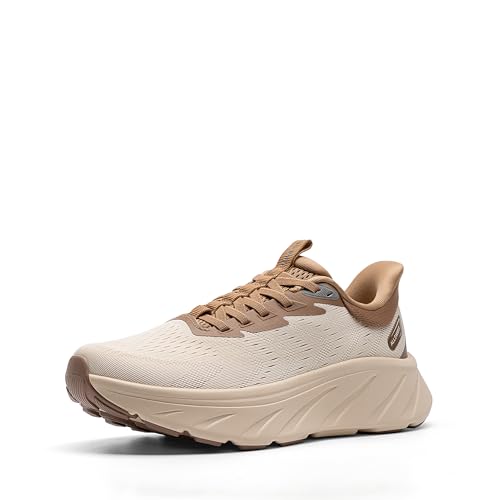
ALLSWIFIT Women's Slip-On Walking Shoes, Fashion Sneakers,Beige/Khaki,10 | Breathable Mesh, Pull-On Convenience and EVA-Rubber Sole Materials for Walking, Treadmill and Daily Wear
Check price on Amazon
FitVille Wide Width Slip On Shoes for Men Wide Walking Shoes for Flat Feet Plantar Fasciitis-Stepease V2 (11 X-Wide, Lakeside Green)
Check price on Amazon
Women's Arch Support Plantar Fasciitis Daily Sneakers, Wide Toe Box Orthopedic Walking Shoes, Non Slip Comfortable Flat Feet Diabetic Breathable Outdoor Athletic Hiking Shoes, Pink White Size 8.5
Check price on Amazon
DREAM PAIRS Women's Mary Jane Flats Ankle Strap Shoes,Black,8.5 | 3D Memory Foam Insole, Lightweight TPR Outsole, Breathable Lining, Adjustable Strap Slip-on Wear, All-day Support
Check price on Amazon
Dr. Scholl’s Flat Feet Support Insoles for Men, Size 8-14: Immediately Relieve Discomfort, Cradle Feet & Improve Ankle Alignment, Due to Overpronation, Low & Fallen Arches, Reduces Lower Body Stress
Check price on Amazon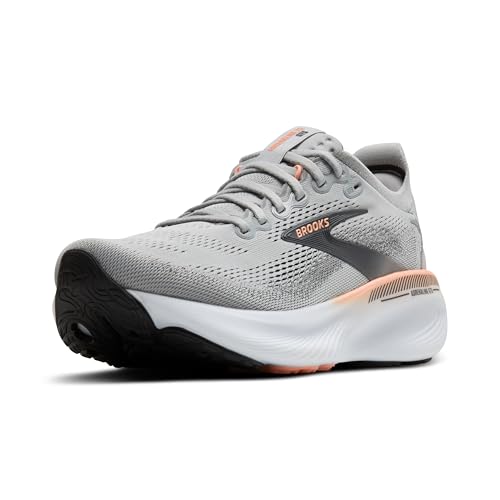
Brooks Women’s Adrenaline GTS 25 Supportive Running & Walking Shoe - Grey/Blackened Pearl/Coral - 9 Medium
Check price on AmazonFrequently Asked Questions
Can flat feet be cured with shoes?
Shoes cannot cure flat feet, but they can significantly reduce pain and prevent complications. Proper footwear supports the arch, controls pronation, and improves alignment.
Are minimalist shoes good for flat feet?
Generally, no. Minimalist shoes lack arch support and cushioning, which can worsen symptoms for people with flat feet. Stick with stability or motion-control shoes.
How often should I replace shoes for flat feet?
Replace them every 300–500 miles of walking or running, or when the midsole feels compressed and the arch support breaks down—typically every 6–12 months for daily wear.
Do I need custom orthotics?
Not always. Many people find relief with over-the-counter insoles. If pain persists, consult a podiatrist who may recommend custom orthotics.
What are the best brands for flat feet?
Brands like Brooks, ASICS, New Balance, Saucony, and Hoka are known for stability and motion-control shoes. Look for their specific models designed for overpronation.
Final Thoughts
Living with flat feet doesn't mean living with pain. By choosing the right shoes, adding supportive insoles, and following proper fit guidelines, you can stay comfortable and active all day. Remember to prioritize arch support, stability, and cushioning—and don't hesitate to consult a podiatrist if pain persists. Your feet will thank you.
Explore more of our guides, including comfortable shoes for people who stand all day and shoes for standing all day, to build a footwear collection that supports your lifestyle.