
Work Shoes for Plantar Fasciitis: Your Complete Guide to All-Day Comfort
Struggling with heel pain at work? Discover how the right footwear can transform your workday. Our comprehensive guide covers everything you need to know about choosing work shoes that support your arches, cushion your steps, and keep you comfortable from clock-in to clock-out.
Living with plantar fasciitis doesn't mean you have to suffer through your workday. Whether you're on your feet for 12-hour shifts, standing on hard concrete floors, or constantly moving through a busy workplace, the right work shoes can make the difference between manageable discomfort and debilitating pain. This guide will walk you through everything you need to know to find your perfect pair.
Understanding Plantar Fasciitis and Its Impact at Work
Plantar fasciitis is one of the most common causes of heel pain, affecting millions of workers worldwide. The condition occurs when the plantar fascia—a thick band of tissue that runs along the bottom of your foot from heel to toes—becomes inflamed or damaged. For workers who spend hours standing, walking, or climbing, this condition can turn every shift into a painful ordeal.
The connection between plantar fasciitis and workplace footwear is direct and significant. When you stand on hard surfaces without proper support, your plantar fascia stretches beyond its comfortable range, creating micro-tears and inflammation. Over time, this leads to that characteristic stabbing pain in your heel, especially with those first steps in the morning or after prolonged sitting.
What makes this particularly challenging for workers is that many occupations demand specific footwear features—slip resistance, safety toes, or professional appearance—that don't naturally align with orthopedic needs. The good news is that manufacturers now recognize this challenge and offer orthopedic work shoes that combine workplace requirements with therapeutic benefits.
Understanding your specific work environment is crucial. If you're working on concrete floors, the impact forces are significantly higher than on carpeted surfaces. Healthcare workers face unique challenges with long shifts and varied terrain, while those in industrial settings need slip-resistant features alongside arch support.
Key Features to Look for in Work Shoes for Plantar Fasciitis
Arch Support
The single most important feature. Proper arch support distributes weight evenly and reduces strain on the plantar fascia. Look for shoes with built-in arch support or removable insoles that accommodate custom orthotics. A well-designed arch support should feel supportive but not intrusive, cradling your foot's natural curve without creating pressure points.
Cushioning and Shock Absorption
Every step sends impact forces through your feet. Quality cushioning in the heel and forefoot absorbs these forces, protecting your plantar fascia from repetitive stress. Materials like EVA foam, gel inserts, and air pockets all provide different levels of cushioning. For those who stand all day, thicker cushioning is generally better.
Heel Counter Stability
A firm heel counter keeps your foot properly positioned and prevents excessive pronation—a common contributor to plantar fasciitis. When your heel moves excessively inward, it stretches the plantar fascia with every step. A rigid heel counter controls this motion and provides the stability your feet need.
Proper Fit and Width
Ill-fitting shoes aggravate plantar fasciitis. Your work shoes should have adequate toe room, a secure midfoot, and a heel that doesn't slip. Consider getting professionally measured using our fit measurement guide to ensure accuracy. Many people with plantar fasciitis also benefit from understanding international sizing when ordering online.
Recommended Work Shoes for Plantar Fasciitis
⚠️ AFFILIATE DISCLOSURE: This website contains affiliate links. As an affiliate Associate, we earn from qualifying purchases. If you make a purchase through these links, we may receive a small commission at no additional cost to you. Read our full affiliate policy.

LOCFIR Wide Toe Box Shoes Women, Slip on Sneakers with Arch Support, Non-Slip Plantar Fasciitis Relief Comfort Walking Shoes, Cushion Tennis Work Shoes Black Size 7.5
Check price on Amazon
AOV Womens Wide Walking Shoes Arch Support Plantar Fasciitis Sneakers Black | Arch Support, Wide Fit, Non-Slip Orthotic Tennis, Pressure Relief and All-Day Comfort for Nurses, Teachers, Workers, Walkers
Check price on Amazon
Skechers Women's Uno - Stand On Air Sneaker, Black/Black, 9
Check price on Amazon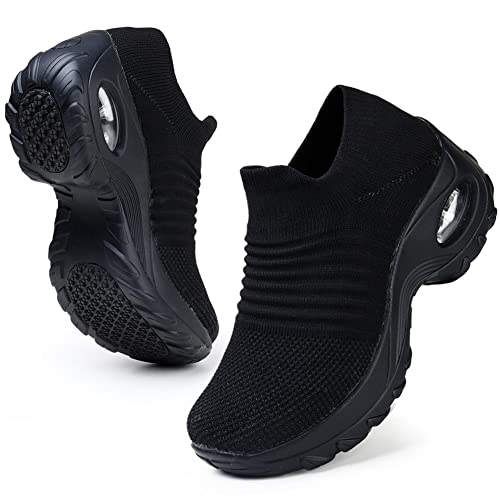
HKR Women Walking Shoes Cushioned Slip On Sneakers All Black US/9 | No-hand Slip-on Design, Breathable Mesh Upper, Cushioned Insole, Rubber Outsole, Lightweight
Check price on Amazon
Women's Plantar Fasciitis Orthotic Walking Shoes Arch Support Sneakers | All Day Comfort Tennis Shoes for Standing, Walking, Supportive Cushioning, Foot Pain Relief, Non-Slip, Black Sneakers
Check price on Amazon
BiNHam Women's Walking Shoes for Plantar Fasciitis Pain Relief Arch Support Orthotic Tennis Sneakers Supportive Comfortable for Gym Workout SolidBlack 9
Check price on AmazonMatching Shoes to Your Work Environment
Different work environments demand different shoe features. Understanding your specific needs helps you make a smarter purchase that addresses both your plantar fasciitis and your workplace requirements.
For Healthcare and Hospitality Workers
Nurses, doctors, and hospitality staff often work extended shifts on hard floors. The ideal shoes combine maximum cushioning with slip resistance and easy cleaning. Look for leather non-slip work shoes that offer professional appearance alongside therapeutic benefits. These shoes typically feature removable insoles, allowing you to use custom orthotics if needed.
For Industrial and Construction Workers
Safety requirements add complexity when you have plantar fasciitis. You need protective features alongside support. Modern concrete floor shoes now incorporate cushioned midsoles and arch support without compromising safety standards. Consider specialized inserts to upgrade the comfort of your required safety footwear.
For Retail and Office Workers
While these environments may seem less demanding, hours of standing on tile or concrete still take a toll. Comfortable black work shoes offer a professional look with the support you need. Look for styles that blend walking shoe comfort with dress shoe appearance for versatile options that work in multiple settings.
Practical Tips for Managing Plantar Fasciitis at Work
Rotate Your Shoes
Wearing the same pair every day doesn't give the cushioning time to recover. Rotating between two or three pairs extends shoe life and maintains consistent support. This is especially important for women who stand all day in demanding work environments.
Use Quality Insoles
Even supportive shoes can benefit from upgraded insoles. Arch support inserts can transform a decent shoe into an excellent one. Look for inserts specifically designed for plantar fasciitis, which typically feature deeper heel cups and targeted arch support.
Take Micro-Breaks
If possible, take brief breaks to stretch your feet and calves. Simple stretches throughout the day reduce tension on the plantar fascia and prevent pain from building up. For those who must stand for long hours, these micro-breaks become essential.
Consider Your Commute
Your work shoes don't have to be your commuting shoes. Wearing supportive comfortable sneakers for your commute and changing into work-appropriate footwear at your destination can reduce overall strain on your feet.
Replace Worn Shoes Promptly
Cushioning breaks down over time, often before visible signs of wear appear. Work shoes for plantar fasciitis typically need replacement every 6-12 months, depending on usage intensity. Don't wait until pain returns to replace them.
Address Other Contributing Factors
Excess weight, tight calf muscles, and overpronation all contribute to plantar fasciitis. Addressing these factors alongside choosing proper footwear creates the best conditions for recovery.
Making Your Purchase Decision
When you're ready to invest in work shoes for plantar fasciitis, consider your budget carefully. Quality therapeutic work shoes typically range from $80 to $200, with premium options exceeding $250. This isn't an area to cut corners—think of it as an investment in your daily comfort and long-term foot health.
Check warranty information before purchasing. Many quality manufacturers offer guarantees on their footwear, and understanding shoe warranties can protect your investment. Some brands even offer satisfaction guarantees that let you return shoes if they don't provide relief.
Don't overlook the importance of durable construction. While you'll pay more upfront for quality materials and construction methods, these shoes typically last longer and maintain their supportive properties better than cheaper alternatives.
If budget is a concern, consider financing options or watch for sales. Quality doesn't always mean full price—many retailers offer discounts on previous season models that work just as well for therapeutic purposes.
When to Seek Professional Help
While proper footwear dramatically improves plantar fasciitis symptoms, some cases require professional intervention. Consult a podiatrist or orthopedic specialist if you experience:
- Pain that persists despite wearing supportive footwear for several weeks
- Severe pain that limits your ability to work or perform daily activities
- Numbness, tingling, or weakness in your feet
- Pain that worsens over time rather than improving
- Bilateral symptoms (both feet affected simultaneously)
Additionally, if you have diabetes or other conditions affecting foot health, consult with a healthcare provider before selecting work shoes. Specialized diabetic footwear may be necessary to address multiple concerns simultaneously.
Taking Control of Your Workday Comfort
Plantar fasciitis doesn't have to define your work experience. With the right work shoes, proper insoles, and smart workplace habits, you can manage your symptoms and stay productive throughout your shift. The key is understanding what features matter most for your specific situation and investing in quality footwear that addresses your unique needs.
Start by identifying your work environment's specific demands, then look for shoes that meet those requirements while providing the arch support and cushioning your plantar fasciitis needs. Don't settle for shoes that compromise either safety or comfort—modern options exist that deliver both.
For additional guidance on building a foot-friendly footwear collection, explore our shoes starter hub or browse user favorites to see what other workers with similar conditions have found helpful. Your feet support you all day—give them the support they deserve in return.