
Good Shoes for Being on Concrete All Day
Standing on hard concrete surfaces for hours can wreak havoc on your feet, knees, and lower back. Discover the essential features and best shoe types to keep you comfortable and pain-free throughout your workday.
SEE TOP RECOMMENDATIONSIf your job requires you to be on your feet for 8, 10, or even 12 hours a day on a concrete floor, you already know the toll it takes. Concrete is an unforgiving surface—it offers zero shock absorption, meaning every step sends a jolt of impact energy straight up through your heels, arches, and spine.
Unlike walking on grass, carpet, or even asphalt, concrete has no give. This constant micro-trauma leads to a cascade of problems: plantar fasciitis, heel spurs, aching arches, knee pain, and chronic lower back stiffness. The right footwear isn't just a comfort preference—it's a critical piece of safety equipment for your body.
In this guide, we'll break down exactly what makes a shoe suitable for concrete floors, which features matter most, and how to choose a pair that will keep you supported from your first shift to your last. If you're specifically looking for good shoes for being on concrete all day, this is your starting point.
Why Concrete Floors Are So Hard on Your Feet
To understand what makes a good shoe for concrete, you first need to understand the problem. Concrete is approximately 10 to 100 times harder than the human body's natural walking surfaces. When you walk or stand on it for extended periods, several things happen:
- Impact Force: Each step you take generates a force equal to 1.5 to 2 times your body weight. On concrete, that force is reflected straight back into your foot.
- Lack of Shock Absorption: Natural terrain like dirt or grass compresses slightly underfoot, absorbing some of that impact. Concrete does not.
- Static Fatigue: Standing still on a hard surface forces your muscles to constantly make tiny adjustments to maintain balance, leading to faster fatigue.
- Reduced Circulation: The constant pressure on the soles of your feet can restrict blood flow, leading to numbness and swelling.
The result is a foot that feels bruised, tired, and inflamed by the end of the day. Over time, this can develop into chronic conditions that require medical attention. The good news is that the right shoe can mitigate almost all of these issues.
Key Features to Look For in Shoes for Concrete
Not all shoes are created equal. When you're shopping for footwear to wear on concrete all day, prioritize these specific features above brand names or fashion trends.
1. Maximum Cushioning and Shock Absorption
This is the single most important feature. You need a midsole that can compress and rebound with every step, absorbing the impact that would otherwise travel up your leg. Look for shoes with thick, high-quality foam midsoles—materials like EVA (ethylene-vinyl acetate), polyurethane, or modern proprietary foams. Some shoes even incorporate gel inserts or air pods for added cushioning.
For those who need extra relief, consider adding a dedicated insole. Our guide to insoles for arch support and plantar fasciitis can help you choose the right aftermarket insert to boost your shoe's cushioning.
2. Robust Arch Support
A properly supported arch prevents your foot from collapsing inward (overpronation) with each step. When your arch collapses, it stretches the plantar fascia ligament, leading to inflammation and pain. Shoes designed for standing all day should have a contoured footbed that cradles your arch and keeps it in a neutral position.
If you have flat feet, you'll need shoes specifically designed for your foot type. Check our recommendations for podiatrist-recommended shoes for flat feet to find pairs that offer the stability you need.
3. Slip-Resistant Outsole
Concrete can be slippery, especially in environments like kitchens, warehouses, or hospitals where spills are common. A slip-resistant outsole is non-negotiable for safety. Look for rubber outsoles with a deep tread pattern that can channel liquids away from the contact patch. For a deeper dive into this feature, see our guide on slip-resistant shoes for standing all day.
4. Breathable Upper Materials
When you're on your feet for hours, your feet sweat. A shoe with a breathable upper—like mesh, knit, or perforated leather—allows air to circulate and moisture to escape. This keeps your feet dry, reduces odor, and prevents the skin from softening and blistering.
5. Proper Fit and Wide Toe Box
Your feet swell throughout the day, especially when you're standing. A shoe that fits perfectly in the morning may feel tight by the afternoon. Look for shoes with a roomy toe box that allows your toes to splay naturally. If you have wide feet, you'll want to explore sneakers with a wide toe box and narrow heel for a secure yet comfortable fit.
Best Shoe Types for Concrete Floors
While specific models vary, certain categories of shoes are consistently better suited for concrete surfaces. Here's a breakdown of the best options:
| Shoe Type | Key Benefit | Best For | Typical Price Range |
|---|---|---|---|
| Walking Shoes | Balanced cushioning and support | General standing, light walking | $80–$150 |
| Work Shoes / Work Sneakers | Slip resistance, durability, safety features | Warehouses, kitchens, healthcare | $70–$180 |
| Running Shoes (Neutral or Stability) | Maximum shock absorption | Long shifts with constant movement | $100–$200 |
| Orthopedic Shoes | Medical-grade support and cushioning | Chronic foot pain, prescribed needs | $120–$300 |
| Clogs (e.g., Nursing Clogs) | Easy slip-on, good arch support | Healthcare, quick transitions | $100–$160 |
If your primary concern is simply being on your feet for long hours, our guide to the most supportive shoes for standing all day provides detailed comparisons. For those who need a rugged option for industrial settings, explore water-resistant slip-resistant work shoes.
How to Choose the Right Pair for Your Needs
Your specific work environment and foot type will dictate the best choice. Here's a step-by-step approach:
- Assess Your Environment: Are there slip hazards? Do you need safety toes? Is it indoors or outdoors? A hospital worker needs different features than a construction worker. For construction-specific needs, see comfortable work shoes for construction.
- Identify Your Foot Type: Do you have flat feet, high arches, or neutral arches? Do you overpronate? If you have high arches, you'll want extra cushioning; if flat, you'll need stability. Our guide to over-the-counter orthotics for high arches can help.
- Prioritize Cushioning: Don't compromise on the midsole. If you can, try on shoes at the end of the day when your feet are at their largest. Walk on a hard surface in the store to test the shock absorption.
- Consider Replaceability: Shoes with removable insoles allow you to swap in custom orthotics. If you already use custom insoles, look for shoes with removable footbeds. For more on custom options, see custom-made insoles for plantar fasciitis.
- Check the Return Policy: Footwear is highly individual. Buy from a retailer that allows returns or exchanges so you can test the shoes in your real work environment.
Common Mistakes to Avoid
Even with good intentions, many people make mistakes when choosing shoes for concrete floors. Here are the most common pitfalls:
- Choosing Style Over Substance: Those fashionable flats or hard-soled dress shoes may look great, but they offer zero shock absorption. For work on concrete, function must come first.
- Wearing Worn-Out Shoes: Cushioning breaks down over time. A general rule is to replace work shoes every 6 to 12 months, depending on usage. If you can feel the ground through the sole, it's time for a new pair.
- Ignoring Foot Pain: If you're experiencing persistent heel pain, arch pain, or numbness, don't ignore it. Consult a podiatrist. You may need specific treatments or shoes for conditions like Achilles tendonitis or plantar fasciitis.
- Buying Shoes Without Testing: Never buy work shoes without trying them on. Walk around, stand on a hard surface, and make sure there's no pressure on your toes or heels.
Recommended Shoes for Concrete Floors
⚠️ AFFILIATE DISCLOSURE: This website contains affiliate links. As an affiliate Associate, we earn from qualifying purchases. If you make a purchase through these links, we may receive a small commission at no additional cost to you. Read our full affiliate policy.

On Women's Cloud 6 Sneakers, Orchid/Fade, 7.5 Medium US
Check price on Amazon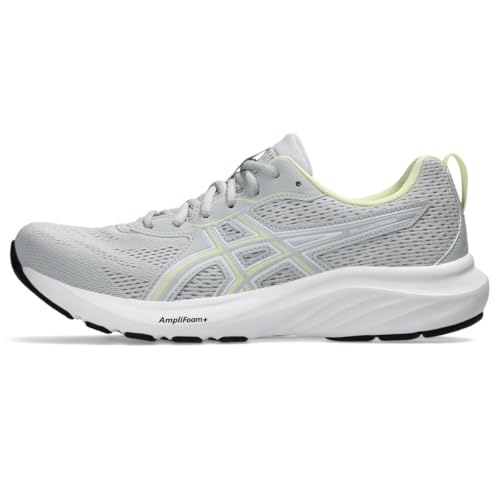
ASICS Women's Gel-Contend 9 Running Shoes, 11.5, Concrete/White
Check price on Amazon
Dr. Scholl's Shoes Men's Valiant Slip Resistant Work Sneaker,Black,7.5
Check price on Amazon
KEEN Men's Austin Shoe,Chocolate Brown,15 M US
Check price on Amazon
KEEN Utility Men's Davenport Mid Composite Toe Waterproof Work Shoe, Shitake/Forest Night, 7 Wide US
Check price on Amazon
Not Your Average Runner: Why You're Not Too Fat to Run and the Skinny on How to Start Today
Check price on AmazonFinal Thoughts: Invest in Your Comfort and Health
If you spend your days on concrete, your shoes are the most important piece of gear you own. The right pair can mean the difference between finishing your shift feeling energized and finishing it in agony. By prioritizing cushioning, arch support, slip resistance, and proper fit, you can protect your feet, knees, and back from the relentless impact of hard floors.
Remember to replace your shoes regularly, consider aftermarket insoles for extra support, and don't hesitate to consult a foot specialist if pain persists. Your feet carry you through your entire day—treat them well.
Whether you're in healthcare, retail, manufacturing, or any other profession that keeps you on your feet, there is a shoe designed to make your workday more comfortable. Use the recommendations above as your starting point, and take the first step toward a pain-free workday.