
Comfortable Shoes for Nursing Students: The Complete Buying Guide
You spend 12+ hours on your feet during clinical rotations. Discover how to choose nursing shoes that protect your joints, prevent slips, and keep you comfortable through the longest shifts.
SEE TOP RECOMMENDATIONSWhy Nursing Students Need Specialized Footwear: Nursing students face a unique combination of challenges—prolonged standing, frequent walking, exposure to bodily fluids, and the need for slip resistance. A standard sneaker won't cut it. This guide breaks down exactly what to look for so you can invest in footwear that supports your career from day one.
Why Your Clinical Rotation Demands the Right Shoes
During a typical 12-hour hospital shift, nursing students walk an average of 4 to 5 miles. That's roughly 10,000 steps—often on hard linoleum floors, up and down stairs, and in and out of patient rooms. Without proper footwear, this repetitive strain leads to plantar fasciitis, heel spurs, knee pain, and lower back problems that can derail your clinical performance.
Unlike experienced nurses who have refined their footwear preferences over years, students are often unsure where to start. The good news is that the market offers excellent options specifically designed for nurses on their feet all day and medical professionals. The key is knowing which features matter most and how to evaluate them.
6 Essential Features Every Nursing Student Shoe Must Have
Arch Support
Proper arch support distributes weight evenly and reduces strain on the plantar fascia. Look for shoes with contoured footbeds or removable insoles you can replace with arch support insoles for overpronation if needed.
Slip Resistance
Hospitals are full of spills, wet floors, and polished surfaces. Slip-resistant outsoles are non-negotiable. Look for shoes tested on both wet and oily surfaces—standard rubber soles are not enough.
Cushioning
Shock absorption in the heel and forefoot reduces impact on joints. Memory foam and gel cushioning are popular, but EVA and polyurethane midsoles often provide better long-term support than soft foams that flatten quickly.
Fluid Resistance
Blood, urine, cleaning solutions, and hand sanitizer will inevitably come into contact with your shoes. Leather or synthetic leather uppers wipe clean easily; mesh breathes well but absorbs liquids.
Lightweight Design
Heavy shoes tire your legs faster. Modern nursing shoes use lightweight materials that don't sacrifice stability. Aim for under 12 ounces per shoe if possible.
Breathability
Your feet sweat during long shifts. Breathable uppers and moisture-wicking linings prevent odor, fungal growth, and the discomfort of damp socks. Some shoes combine breathable mesh panels with fluid-resistant overlays.
Types of Nursing Shoes: Which Style Fits Your Rotation?
Not all clinical settings are the same. A surgical rotation has different demands than a pediatric clinic or a psychiatric ward. Here's how the main categories compare:
| Shoe Type | Best For | Key Advantage | Typical Price Range |
|---|---|---|---|
| Athletic Nursing Sneakers | Long shifts, high-step-count rotations | Superior cushioning and energy return | $80–$160 |
| Slip-Resistant Clogs | OR, ER, and high-spill environments | Easy to clean, excellent slip resistance | $40–$120 |
| Leather Nursing Shoes | Clinicals requiring professional appearance | Durable, fluid-resistant, polished look | $70–$150 |
| Walking Shoes | Community health, home visits | All-day comfort with a more casual look | $60–$140 |
| Cross-Training Shoes | Mixed movement—walking, lifting, pivoting | Lateral stability and versatile support | $70–$150 |
For most nursing students, an athletic-style nursing sneaker offers the best balance of comfort, support, and value. If your program requires all-white shoes, look for all-white leather sneakers for nursing that meet dress code while providing modern comfort technology. For those who prefer a slip-on design, slip-resistant nursing shoes for women combine convenience with safety.
Top Comfortable Shoes for Nursing Students
Recommended Comfortable Shoes for Nursing Students
⚠️ AFFILIATE DISCLOSURE: This website contains affiliate links. As an affiliate Associate, we earn from qualifying purchases. If you make a purchase through these links, we may receive a small commission at no additional cost to you. Read our full affiliate policy.

Hawkwell Women's Slip On Lightweight Water Resistant Nurse Shoes Slip Resistant Healthcare Work Shoes,White Synthetic,8 M US
Check price on Amazon
New Balance Women's 608 V5 Casual Comfort Cross Trainer
Check price on Amazon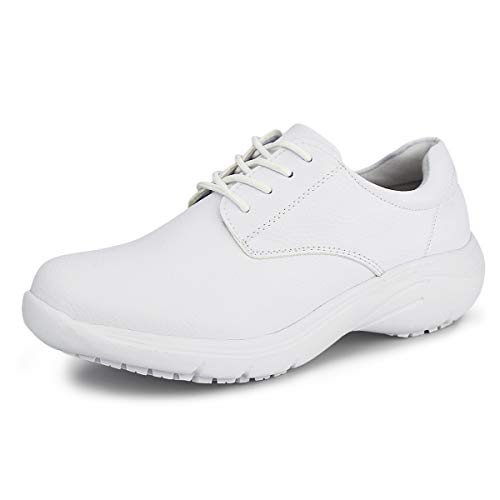
Hawkwell Women's Slip Resistant Lightweight Nursing Shoes Comfortable Lace Up Work Shoes,White Synthetic,8 M US
Check price on Amazon
Hey Medical Uniforms Women’s Lightweight Slip‑On Nursing Clogs – White EVA Support Shoes for Work & Garden – Size 8
Check price on Amazon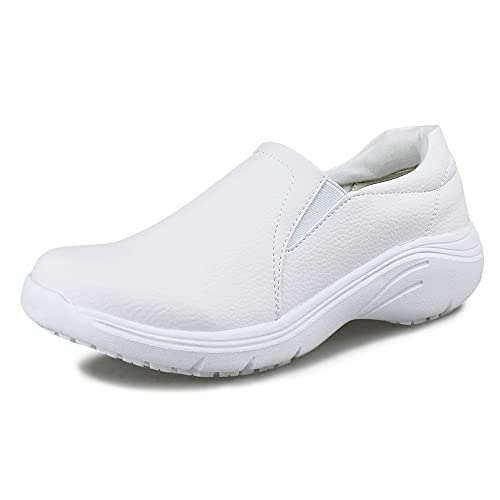
Hawkwell Women's Slip On Lightweight Comfort Slip Resistant Nursing Shoes,White Synthetic,8 M US
Check price on Amazon
Hawkwell Women's Slip On Lightweight Cushion Nursing Shoes Slip Resistant Medical Work Shoes,Black,8 M US
Check price on Amazon
Yowenthra Non Slip Work Shoes Women, Orthopedic Shoes for Women Nurse Slip on Comfortable Breathable Casual Sneakers (Black-Purple, Adult, Women, 10, Numeric, US Footwear Size System, Medium)
Check price on Amazon
Hawkwell Women's Slip on Lightweight Nursing Shoes Comfortable Slip Resistant Work Shoes, White Synthetic Leather, 7 M US
Check price on AmazonHow to Choose: A Step-by-Step Guide for Nursing Students
Step 1: Know Your Foot Type
Before you buy anything, determine your arch type. Wet your feet and step on a piece of cardboard. If you see a full footprint, you have flat arches and need over-the-counter insoles for flat feet or shoes with strong medial support. If you see only the heel and ball of your foot, you have high arches and need extra cushioning. A normal arch falls somewhere in between.
Step 2: Measure at the End of the Day
Your feet swell throughout the day, especially after standing. Shop for shoes in the afternoon or evening when your feet are at their largest. This prevents buying shoes that feel fine in the morning but become tight and painful by hour eight of your shift.
Step 3: Prioritize Slip Resistance
Check the outsole specification. Look for shoes rated for slip resistance on wet and oily surfaces. This is especially critical if you'll be in surgical, emergency, or geriatric rotations where spills are common. Shoes marketed as non-slip oil and water resistant are specifically designed for these environments.
Step 4: Consider Your Clinical Environment
A psychiatric rotation may allow more casual footwear, while a surgical rotation demands closed-toe, fluid-resistant shoes. Some programs mandate all-white shoes; others allow any color. Check your student handbook before investing in a specific style. If you need all-white, all-white leather tennis shoes for nursing are a classic choice that meets most dress codes.
Step 5: Don't Ignore Insoles
Even the best shoe may need an insole upgrade. If you have plantar fasciitis or heel pain, consider gel heel insoles for plantar fasciitis or shoe inserts for being on feet all day. Many nursing students find that a $30 insole transforms a $100 shoe into something that feels custom-made.
Step 6: Break Them In Before Clinicals
Never wear brand-new shoes to a 12-hour clinical. Break them in gradually over one to two weeks, wearing them for shorter periods around the house or on errands. This allows the materials to mold to your feet and prevents blisters during critical rotations.
What Should You Expect to Pay?
Nursing shoes range from budget-friendly options to premium orthopedic designs. Here's a realistic breakdown of current market prices:
Price Ranges for Nursing Student Shoes
Most nursing students find their sweet spot in the $80–$140 range. At this price, you get durable construction, quality cushioning, and reliable slip resistance without paying for premium brand names. If you're on a tight budget, look for last-season colors of reputable brands—the technology is identical, but the price drops significantly.
Athletic Sneakers vs. Traditional Nursing Clogs
This is the most common debate among nursing students. Both have passionate advocates, and the right choice depends on your priorities.
✓ Athletic Nursing Sneakers
- Superior cushioning and energy return
- Better for high-step-count rotations
- Modern styles look like regular sneakers
- Breathable mesh options available
- More arch support options
✗ Athletic Nursing Sneakers
- Less fluid-resistant than leather or clogs
- Mesh can absorb spills
- May wear out faster with heavy use
- Some programs restrict athletic styles
✓ Traditional Nursing Clogs
- Excellent slip resistance
- Easy to clean and disinfect
- Durable—often last years
- Accepted in most clinical settings
- Roomier toe box
✗ Traditional Nursing Clogs
- Less cushioning for long walks
- Can cause heel slippage
- Heavier than athletic shoes
- Require a break-in period
- Less breathable
Many nursing students compromise by wearing athletic sneakers for walking-heavy rotations and keeping a pair of clogs for procedures and high-spill areas. If you can only afford one pair, choose based on your most common rotation type. For students who need a single pair that handles everything, a comfortable shoe for hospital workers that combines athletic cushioning with fluid-resistant uppers is the best compromise.
How to Make Your Nursing Shoes Last Longer
Nursing shoes take a beating. With proper care, you can extend their life from 6 months to 12–18 months, saving you money and ensuring consistent comfort.
- Rotate between two pairs. Alternating shoes gives the cushioning time to recover and prevents moisture buildup. This simple habit can double the life of each pair.
- Clean them weekly. Wipe leather and synthetic uppers with a damp cloth and mild soap. Remove insoles and let them air dry separately.
- Use shoe deodorizers. Moisture and bacteria cause odor and break down materials. Cedar shoe trees or charcoal inserts absorb moisture between shifts.
- Replace insoles every 3–4 months. Insoles lose their cushioning long before the outsole wears out. Fresh insoles restore comfort at a fraction of the cost of new shoes.
- Check the outsole regularly. Once the tread pattern is worn smooth in high-wear areas, slip resistance is compromised. Replace the shoes or get them resoled if possible.
- Never machine wash leather or athletic shoes. The heat and agitation break down adhesives and cushioning. Spot clean only.
Frequently Asked Questions
How often should nursing students replace their shoes?
With daily wear, most nursing shoes last 6 to 12 months. If you rotate between two pairs, you can extend that to 12–18 months. Replace them when the cushioning feels flat, the outsole tread is worn smooth, or you start experiencing foot pain that wasn't there when the shoes were new. For students in high-step-count rotations, 6 months is realistic.
Are expensive nursing shoes worth it?
Not always. The $80–$140 range offers the best value for most students. At this price point, you get quality cushioning, reliable slip resistance, and durable construction. Premium shoes over $200 may offer marginal improvements, but the difference is rarely worth the price jump for a student budget. Focus on fit and features rather than brand prestige.
Can I wear regular sneakers for nursing clinicals?
It depends on your program. Some clinical sites require closed-toe, fluid-resistant shoes with slip-resistant soles—regular sneakers often fail these requirements. Other sites allow athletic shoes as long as they're clean and professional-looking. Check your student handbook first. If regular sneakers are allowed, choose a lightweight sneaker with arch support rather than a fashion sneaker with minimal cushioning.
What if I have plantar fasciitis?
Plantar fasciitis is common among nursing students, especially those who transition from sedentary study to 12-hour clinical shifts. Look for shoes with strong arch support, a cushioned heel, and a firm midsole. Work shoes for plantar fasciitis are specifically designed with these features. Adding gel heel insoles can also provide targeted relief. If pain persists, see a podiatrist—custom orthotics may be necessary.
Should I buy men's or women's nursing shoes?
Buy the shoe that fits your foot shape, regardless of the gender label. Women's shoes are typically narrower in the heel and wider in the forefoot; men's shoes are generally wider overall. If you have wide feet, women's wide width cross-training shoes or men's styles may fit better. The most important factor is comfort—try both if possible.
Are memory foam shoes good for nursing?
Memory foam provides initial comfort but compresses quickly under constant weight. For nursing students who stand and walk for 12 hours, memory foam alone is rarely sufficient. Look for shoes that combine a memory foam top layer with a supportive EVA or polyurethane base. The memory foam provides step-in comfort; the base provides long-term support. Memory foam shoes for standing all day can work if they have adequate structural support underneath.
Final Thoughts: Invest in Your Feet, Invest in Your Career
As a nursing student, your feet are your most valuable professional tools. The shoes you choose during clinical rotations set the foundation for your comfort and performance—not just today, but throughout your nursing career. Poor footwear leads to chronic pain that can affect your ability to work and enjoy your time off.
The right pair doesn't have to be expensive. Focus on the fundamentals: proper arch support, reliable slip resistance, adequate cushioning, and a fit that accommodates your foot shape and swelling. Whether you choose a dedicated slip-resistant nursing shoe or a comfortable hospital shoe, prioritize function over fashion. Your future self—and your feet—will thank you.
Start by browsing our recommended shoes above. Each option was selected for its suitability for nursing students based on the criteria outlined in this guide. Read reviews, compare features, and when you find a pair that meets your needs, don't hesitate. Your clinical rotations will be challenging enough—your feet shouldn't be part of the struggle.
Ready to Find Your Perfect Clinical Shoes?
Browse our top-rated comfortable shoes for nursing students—selected for cushioning, slip resistance, and all-day support.
View Top Recommendations →