
Composite Toe Shoes: The Ultimate Guide to Lightweight Safety
Discover why composite toe footwear is the preferred choice for professionals seeking maximum protection without the weight and conductivity of traditional steel toe boots.
Explore Top PicksThe Composite Toe Advantage: Non-metallic, non-conductive, and incredibly lightweight. Composite toe safety footwear offers the same impact protection as steel but without the downsides, making it ideal for electrical hazards, cold environments, and all-day comfort.
What is a Composite Toe and Why Does It Matter?
If you work in construction, manufacturing, warehousing, or any industry where foot protection is mandatory, you've likely encountered the term "composite toe." But what exactly does it mean, and why should you consider it over traditional steel toe options? A composite toe is a type of safety toe cap made from non-metallic materials such as carbon fiber, plastic, or Kevlar. Unlike steel toe caps, composite materials do not conduct electricity or heat, making them a superior choice for electricians and workers in temperature-sensitive environments.
Beyond safety, composite toe footwear is significantly lighter. This reduces fatigue during long shifts, which is a game-changer for workers who are on their feet for 8 to 12 hours a day. Whether you're navigating a bustling warehouse or a demanding construction site, understanding the nuances of safety footwear is the first step toward making a smart investment.
Understanding Safety Standards: ASTM F2413-18
When shopping for composite toe shoes, you'll often see the code "ASTM F2413-18" on the label. This is the standard specification established by ASTM International for performance requirements of protective footwear. It covers impact resistance (I) and compression resistance (C), ensuring that the toe cap can withstand significant force without collapsing. A shoe marked with "I/75" and "C/75" means it can withstand an impact of 75 foot-pounds and a compression of 2,500 pounds.
It's crucial to verify this certification when purchasing. A shoe that looks rugged but lacks this certification may not provide the necessary protection. For a deep dive into the testing and standards, refer to our guide on ASTM F2413-18. Understanding these ratings ensures you are not just buying a shoe, but a piece of certified safety equipment.
Top-Rated Composite Toe Shoes for Safety and Comfort
⚠️ AFFILIATE DISCLOSURE: This website contains affiliate links. As an affiliate Associate, we earn from qualifying purchases. If you make a purchase through these links, we may receive a small commission at no additional cost to you. Read our full affiliate policy.

New Balance Fresh Foam Cremorne Composite Toe Safety Shoes for Men - Non Slip, Electrical Hazard - Black/Grey, Low Rise
Check price on Amazon
HEYDUDE Men's Wally Work CT, Black/Black, Size 10 | Composite Safety Toe, ASTM F2413 Compliant, EH Rated, Reflective Safety Stripe, No Tie Elastic Laces, Metal Free Construction
Check price on Amazon
Wolverine Men'sOverpass 6" Mid Composite Toe Waterproof Work Boot, Summer Brown, 10 Medium
Check price on Amazon
Steel Toe Shoes for Men Slip On Safety Shoes for Men Work Loafers All Black | Composite Toe Shoes,Lightweight,Comfortable,Breathable,Cushioning,Walking,Construction,Warehouse,Factory,Office,Casual,Dress
Check price on Amazon
Steel Toe Shoes for Men Women , Black Work Shoes, Men Size 6 / Women 7.5 | Indestructible Comfortable Safety Sneakers, Lightweight Breathable Construction Shoes, Puncture Proof Ergonomic Design
Check price on Amazon
IRONDUDE Composite Toe Shoes for Men Black Steel Toe Shoes Comfortable Non Slip Work Shoes for Protection Against Accidents or Injury Breathable Lightweight Construction Safety Sneakers Puncture Proof
Check price on Amazon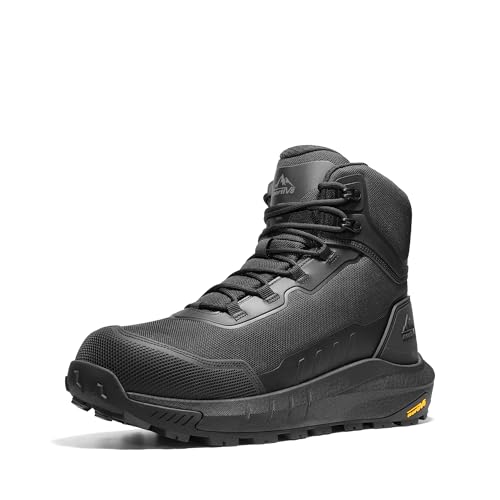
NORTIV 8 Men's Composite Toe Work Boots Slip Resistant,Black,10.5 | ASTM F2413-24 Safety Work Boots with Zipper Lightweight Comfort for all-day work for Warehouse Construction, Terrascope-nano
Check price on AmazonComposite Toe vs. Steel Toe vs. Soft Toe: Which is Right for You?
Choosing the right safety toe is a matter of assessing your work environment. While steel toe boots offer traditional protection, they are heavy and conductive. Composite toes are lighter and non-conductive, but they can be bulkier in the toe box. Soft toe shoes offer no impact protection but are ideal for environments where heavy objects are not a threat.
For those in electrical or high-heat environments, composite toe is non-negotiable. If you need a boot for extreme cold, composite toe won't transfer cold to your feet like steel does. However, if you need a sleek, dressy look, you might explore moc-toe styles, though these are typically not safety-rated. Always prioritize the specific safety requirements of your job over aesthetics.
Comfort and Fit: Breaking in Your Composite Toes
One common misconception is that all safety shoes are uncomfortable. Modern composite toe shoes are designed with ergonomic footbeds and breathable materials. However, finding the right fit is critical. If you have wider feet, look for wide shoes for men to avoid pinching. For women, specific sports shoes for women or dedicated safety lines offer better fits.
Breaking in your composite toe shoes takes time. Start by wearing them for short periods. If you experience discomfort, consider using aftermarket insoles. For those who need extra arch support, especially if you have conditions like plantar fasciitis, you might also look into sandals for plantar fasciitis for your off-hours to give your feet a break. A proper break-in period ensures you get the most out of your footwear.
Ideal Work Environments for Composite Toe Footwear
Composite toe shoes shine in specific industries. Electricians benefit from the non-conductive properties. Warehouse workers appreciate the lighter weight for all-day movement. Construction workers in cold climates love that they don't get cold like steel. In the kitchen, where slip resistance and comfort are key, composite toe options are increasingly popular, similar to how kitchen shoes are designed for specific hazards.
Even in outdoor or rugged environments, composite toe boots are gaining traction. While they may not be the primary choice for extreme hiking like hiking sandals for women, they are excellent for work boots used in mixed terrain. Always ensure your footwear matches the specific hazards of your job site.
Caring for Your Composite Toe Shoes
To extend the life of your composite toe shoes, regular cleaning and maintenance are essential. Leather models should be conditioned to prevent cracking. For fabric or mesh models, a soft brush and mild soap work wonders. If your shoes get wet, allow them to air dry naturally—never place them near a heater, as high heat can warp the composite toe cap.
Just like caring for leather shoes or sneakers, consistent care preserves both appearance and safety. Inspect the toe cap regularly for cracks or deep gouges. If the toe cap is compromised, the shoe is no longer safe for work. Replace them immediately to ensure your feet remain protected.
Making the Final Decision
Investing in a high-quality pair of composite toe shoes is an investment in your safety and comfort. They offer a perfect balance of protection, weight, and non-conductive properties that steel toe boots cannot match. Whether you are looking for stylish shoes for men that double as workwear, or purely functional safety gear, the market has options for everyone.
Remember to prioritize fit, check for ASTM certification, and consider your specific work environment. With the right pair, you can step into your workday with confidence and ease.