
Kitchen Shoes: The Ultimate Guide to Comfort, Safety & Style
Working in a kitchen demands footwear that can keep up with the heat, the spills, and the long hours. Discover how to choose the best kitchen shoes that protect your feet and keep you comfortable all shift long.
View Top RecommendationsWhy Kitchen Shoes Are a Non-Negotiable Investment
If you spend hours on your feet in a bustling kitchen, you already know that ordinary sneakers or casual shoes simply don't cut it. The right kitchen shoes are engineered to handle the unique demands of culinary environments: slippery floors, hot spills, sharp objects, and constant movement. Without proper footwear, you risk injuries, chronic foot pain, and reduced performance during peak service hours.
Unlike standard work shoes, kitchen footwear must meet specific safety standards. Many professional kitchens require shoes that are slip-resistant, water-resistant, and easy to clean. Whether you're a chef, line cook, server, or food prep worker, investing in high-quality kitchen shoes is one of the smartest decisions you can make for your career and your health.
This guide will walk you through everything you need to know: from essential features and materials to fit considerations and maintenance tips. By the end, you'll have the confidence to choose the perfect pair for your needs. For those who also need protective footwear in other work environments, our guide on safety footwear covers additional options worth exploring.
Essential Features of Professional Kitchen Shoes
Not all work shoes are created equal. When selecting kitchen shoes, prioritize these critical features to ensure safety and comfort throughout your shift.
Slip Resistance
The most important feature. Look for shoes with rubber outsoles and specialized tread patterns that grip wet, greasy floors. ASTM F2913 certification is a reliable indicator of slip-resistant performance.
Water & Stain Resistance
Kitchen spills are inevitable. Choose shoes made from leather, synthetic leather, or treated materials that repel liquids and clean up easily with a damp cloth.
Comfort & Cushioning
Long shifts demand superior arch support, cushioned insoles, and shock-absorbing midsoles. Memory foam and gel inserts can dramatically reduce fatigue.
Breathability
Hot kitchens cause feet to sweat. Breathable mesh panels or moisture-wicking linings help regulate temperature and prevent odor and fungal issues.
Closed-Toe Protection
Protect against dropped knives, hot liquids, and heavy objects. Many kitchens mandate closed-toe shoes for safety compliance. For added protection, explore options like steel toe footwear.
Easy Maintenance
Look for wipe-clean surfaces and removable insoles that can be washed or replaced. This extends the life of your shoes and keeps them hygienic.
Best Materials for Kitchen Shoes
The material of your kitchen shoes affects durability, comfort, and hygiene. Here's a breakdown of the most common options:
| Material | Pros | Cons | Best For |
|---|---|---|---|
| Full-Grain Leather | Durable, water-resistant, breathable, molds to foot | Requires regular care, heavier | Chefs, long-term use |
| Synthetic Leather | Lightweight, easy to clean, affordable, vegan-friendly | Less breathable, may crack over time | Budget-conscious buyers, servers |
| Mesh & Textile | Highly breathable, lightweight, quick-drying | Less water-resistant, less durable | Hot kitchens, short shifts |
| Rubber & Neoprene | 100% waterproof, easy to sanitize, excellent grip | Less breathable, can be heavy | Dishwashing, wet environments |
For those who prefer a more casual style outside the kitchen, you might also appreciate our guides on canvas shoes for men or canvas shoes for women for everyday wear.
Getting the Right Fit: Sizing Tips for Kitchen Shoes
A poorly fitting shoe can ruin even the highest-quality pair. Follow these guidelines to ensure maximum comfort:
- Measure at the end of the day: Feet swell throughout the day, especially after long shifts. Shop for shoes in the afternoon or evening.
- Allow toe room: You should have about a thumb's width of space between your longest toe and the front of the shoe.
- Consider wide widths: If you have wide feet, look for shoes specifically designed for wider fit. Our guide on wide shoes for men can help you find the right pair.
- Test the heel: Your heel should be snug but not tight, with minimal slipping when you walk.
- Break them in gradually: Wear new kitchen shoes for short periods before committing to a full shift.
If you have specific foot conditions like plantar fasciitis or diabetes, prioritize shoes with excellent arch support and cushioning. You may also benefit from our recommendations on diabetic shoes for women and sandals for plantar fasciitis for additional support options.
How to Maintain Your Kitchen Shoes for Longevity
Proper care extends the life of your kitchen shoes and keeps them hygienic. Here are essential maintenance tips:
- Clean daily: Wipe down surfaces with a damp cloth and mild soap after each shift to remove grease, food particles, and bacteria.
- Rotate pairs: If possible, alternate between two pairs to allow each to dry completely between uses.
- Use shoe deodorizers: Baking soda, cedar inserts, or commercial deodorizers help control odor and moisture.
- Replace insoles regularly: Insoles lose their cushioning over time. Replace them every 3–6 months for optimal comfort.
- Check for wear: Inspect outsoles for worn treads, especially in slip-resistant areas. Replace shoes when grip diminishes.
For more detailed care instructions, explore our comprehensive guides on leather cleaning and shoe care in our shoe care and repair hub.
Recommended Kitchen Shoes
⚠️ AFFILIATE DISCLOSURE: This website contains affiliate links. As an affiliate Associate, we earn from qualifying purchases. If you make a purchase through these links, we may receive a small commission at no additional cost to you. Read our full affiliate policy.

Crocs Unisex-Adult Bistro Work Clogs, Black, 12 Women/10 Men | All Day Comfort at Work, Slip Resistant, Healthcare, Hospitality, Food Service Workers, Easy to Wipe Clean, ASTM Certified
Check price on Amazon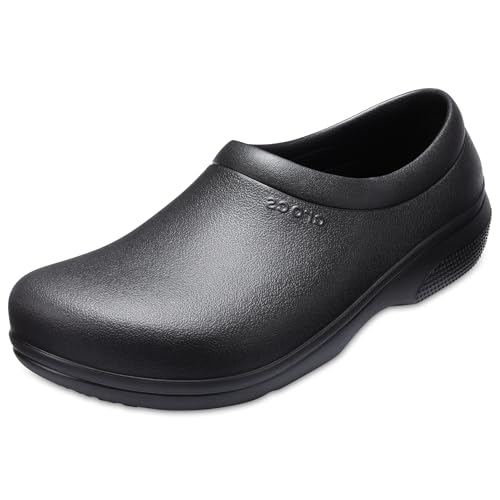
Crocs Unisex-Adult On The Clock Work Clog, Black, 10 Women/8 Men | All Day Comfort at Work, Slip Resistant, Healthcare, Hospitality, Food Service Workers, Easy to Wipe Clean, ASTM Certified
Check price on Amazon
LARNMERN Men Chef Shoes Non Slip Work Waterproof Slip-on,Black,10.5 | Anti Slip Water Resistant Kitchen Shoes Restaurante Food Service Water Proof Walk Sneaker Zapatos Trabajo Antideslizantes
Check price on Amazon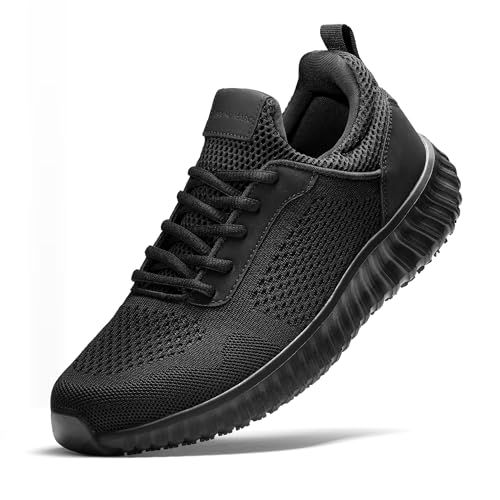
Bruno Marc Men's Non Slip Work Shoes,Black,10.5 | Walking Slip Resistance Food Service Chef Kitchen Restaurant Sneakers Comfortable Lightweight
Check price on Amazon
ZXT Arch Support Work Clogs Slip Resistant Shoes for Chef Nurse | Cushion Comfortable Closed Toe Orthopedic Slip On Slide Sandals, Black 39
Check price on Amazon
HISEA Men's Leather Non Slip Food Service Shoes, Water & Oil Resistant, Comfortable, Breathable, Lightweight Slip Resistant Shoes for Men, for Kitchen, Restaurant, Slip-on Chef Walking Shoes Black
Check price on Amazon
Skechers Men's Nampa Food Service Shoe, Black, 12
Check price on Amazon
TEYTAP Chef Shoes Men Women Non Slip Work Shoes Water Proof Slip Resistant Clogs for Nursing Kitchen Restaurant Food Service Black
Check price on AmazonFrequently Asked Questions About Kitchen Shoes
Are kitchen shoes required by law in restaurants?
While regulations vary by country and region, many health and safety authorities mandate slip-resistant, closed-toe footwear in commercial kitchens. Employers often enforce their own policies to reduce liability and protect workers.
How often should I replace my kitchen shoes?
With daily use, quality kitchen shoes typically last 6–12 months. Signs it's time to replace: worn-out treads, cracked uppers, persistent odor, or loss of cushioning.
Can I wear regular sneakers in a kitchen?
We strongly advise against it. Regular sneakers lack the slip resistance, water protection, and durability needed for kitchen environments. They also pose safety risks and may violate workplace policies.
What's the best kitchen shoe for plantar fasciitis?
Look for shoes with excellent arch support, cushioned heel cups, and shock-absorbing soles. Brands like Dansko, Skechers Work, and Crocs Bistro are popular choices. For more support options, see our guide on sandals for plantar fasciitis.
Are expensive kitchen shoes worth it?
Generally, yes. Higher-priced kitchen shoes offer better materials, superior slip resistance, and enhanced comfort that can last longer and reduce foot pain. Consider them an investment in your health and career.
Final Thoughts: Step Into Comfort and Safety
Choosing the right kitchen shoes is about more than just fashion—it's about protecting your feet, preventing injuries, and staying comfortable through even the busiest shifts. Prioritize slip resistance, proper fit, and durable materials, and don't hesitate to invest in a quality pair that will serve you well.
Ready to find your perfect pair? Browse our top recommendations above, and take the first step toward a safer, more comfortable kitchen experience. For those who need footwear for other demanding environments, explore our guides on waterproof shoes for women and winter shoes for men for additional options.