
Cross Training Shoes for Flat Feet: The Complete Guide
Discover how to choose the best cross training shoes for flat feet. Learn about stability features, arch support, and top-rated options for flat-footed athletes.
SHOP TOP PICKSQuick Answer
The best cross training shoes for flat feet prioritize stability, firm midsoles, and medial support. Look for shoes with a wide platform, minimal cushioning, and a secure heel counter. Avoid overly soft or flexible shoes that lack structure. Expect to invest between $80–$170 for a quality pair that supports your arch and prevents overpronation during lifting, HIIT, and functional training.
Why Flat Feet Need Specialized Cross Training Shoes
Flat feet (pes planus) affect millions of people worldwide. When you have flat feet, your arch collapses inward, causing your ankle and knee to roll inward during movement—a condition known as overpronation. While this may seem like a minor issue, it can lead to significant problems during cross training activities like weightlifting, plyometrics, and HIIT workouts.
Cross training shoes are designed for versatility—they handle everything from squats and deadlifts to box jumps and sprints. However, not all cross trainers work well for flat feet. A shoe that's too soft or flexible will allow your arch to collapse further, leading to instability, pain, and potential injury.
If you're also looking for options that accommodate a wider foot profile, our guide to cross training shoes for wide feet covers additional fit considerations. And if you're specifically dealing with arch-related discomfort, understanding how arch support footwear works can help you make a more informed decision.
Key Features to Look For in Cross Training Shoes for Flat Feet
When shopping for cross training shoes for flat feet, certain features matter more than others. Here's what to prioritize:
🔒 Firm Midsole
A firm, dense midsole prevents your arch from collapsing under weight. Avoid soft, squishy foams—they feel comfortable but provide poor support for flat feet.
🏗️ Wide Platform
A wider base improves stability and distributes pressure more evenly. This is especially important during lateral movements and heavy lifting.
🦶 Medial Support
Look for shoes with medial posting or a denser midsole on the inner side. This helps control overpronation and keeps your foot aligned.
👟 Secure Heel Counter
A firm heel counter locks your heel in place, preventing excessive movement that can lead to blisters and instability.
📏 Removable Insole
A removable insole allows you to insert custom orthotics or over-the-counter options for additional arch support tailored to your needs.
⚖️ Minimal Cushioning
Less cushioning means more stability. Flat-footed athletes typically benefit from firmer, lower-profile shoes for cross training.
For those who need extra support, combining the right shoe with over-the-counter orthotics for pronation can make a significant difference. Additionally, if you're transitioning from running to gym work, understanding shoes for both running and lifting can help you find a versatile option.
Types of Cross Training Shoes for Flat Feet
Cross training encompasses a wide range of activities, and different workouts demand different shoe characteristics. Here's a breakdown:
| Activity Type | Shoe Characteristics | Recommended For | Price Range |
|---|---|---|---|
| Weightlifting & Powerlifting | Flat, hard sole; minimal cushioning; wide base | Squats, deadlifts, Olympic lifts | $90–$170 |
| HIIT & Functional Training | Moderate cushioning; stable platform; flexible forefoot | Burpees, box jumps, kettlebell work | $80–$140 |
| CrossFit & Mixed Modal | Balanced cushioning; rope guard; durable outsole | Rope climbs, sprints, varied WODs | $100–$160 |
| General Gym & Cardio | Lightweight; breathable; moderate support | Treadmill, elliptical, light weights | $70–$120 |
For flat-footed athletes who also enjoy running, you might benefit from exploring lightweight zero drop running shoes as a complementary option, though these require careful transition to avoid injury.
Best Cross Training Shoes for Flat Feet
⚠️ AFFILIATE DISCLOSURE: This website contains affiliate links. As an affiliate Associate, we earn from qualifying purchases. If you make a purchase through these links, we may receive a small commission at no additional cost to you. Read our full affiliate policy.

MIFAWA Barefoot Shoes Men Wide Toe Box Zero Drop Water Shoes Men for Gym Workout Minimalist Weightlifting Cross-Trainer Running Hike Grounded Footwear Black
Check price on Amazon
Barefoot Shoes Men Women Minimalist Shoes Zero Drop Workout Cross-Trainer Hiking Water Wide Toe Box Grounded Footwear Weightlifting Walking Black
Check price on Amazon
AIRHAS Men's Barefoot Training Shoes Zero Drop Minimalist Sneakers Anatomical Toe Design for Weightlifting and Fitness (Black, 11.0)
Check price on Amazon
relxfeet Men's Barefoot Shoes Wide Toe Box Zero Drop, Army Green 10.5 | Breathable Knit, Flexible Rubber Sole, Minimalist Feel for Gym, Weightlifting, Cross Training, Walking, Up to Men's US 15
Check price on Amazon
MIFAWA Barefoot Shoes Men Wide Toe Box Zero Drop Water Shoes Men for Gym Workout Minimalist Weightlifting Cross-Trainer Running Hike Grounded Footwear Black/Red
Check price on Amazon
Womens Gym Barefoot Shoes Zero Drop Workout Sneakers(Black,8.5) | Breathable Stretchy Knit Upper Lightweight Flexible Sole for Lifting, Cross Training, Fitness
Check price on Amazon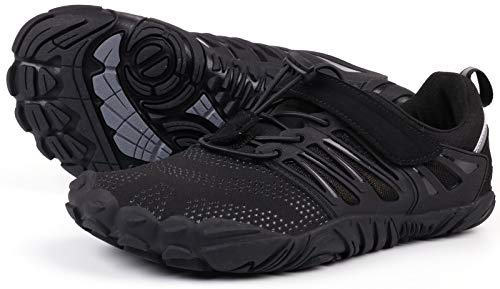
Joomra Barefoot Shoes for Women Zero Drop Sneakers, Black, 8.5 | Wide Toe Box, Comfortable Athletic Footwear Size 39, for Walking, Hiking, Cross Training, Trail Running, Outdoor Trekking
Check price on AmazonHow to Choose the Right Cross Training Shoes for Flat Feet
Selecting the perfect pair requires careful consideration of your specific needs. Follow this step-by-step approach:
1. Assess Your Pronation Level
Not all flat feet are the same. Some people have flexible flat feet (arch appears when sitting or standing on toes), while others have rigid flat feet (no arch ever appears). Flexible flat feet often benefit from motion control shoes, while rigid flat feet may need more cushioned options. If you experience rolling inward, you may also want to consider insoles for feet that roll inwards for additional support.
2. Prioritize Stability Over Cushioning
While cushioned shoes feel comfortable initially, they can exacerbate problems for flat-footed athletes. Stability shoes with firm midsoles and medial support are generally the better choice for cross training activities that involve lifting and lateral movements.
3. Consider Your Primary Activities
If you spend most of your gym time lifting heavy weights, prioritize a flat, stable shoe. If you do more HIIT and cardio, a slightly more cushioned option with good stability may work better. For those who need arch support during other activities, exploring sneakers with arch support for flat feet can provide additional options for everyday wear.
4. Test the Shoe's Flex Point
A good cross training shoe should flex at the forefoot (where your toes bend) but remain rigid in the midfoot and heel. If the shoe twists easily in the middle, it won't provide adequate support for flat feet.
5. Ensure Proper Fit
Your heel should be locked in place with no slipping. There should be about a thumb's width of space between your longest toe and the front of the shoe. The width should accommodate your foot without squeezing—if you have wide feet, consider cross training shoes for wide feet as well.
6. Budget Appropriately
Quality cross training shoes for flat feet typically range from $80 to $170. While it's tempting to save money, investing in proper support now can prevent costly injuries and discomfort later.
What to Look for in Top-Rated Cross Training Shoes for Flat Feet
Based on our research and analysis, the best cross training shoes for flat feet share several common characteristics:
- Firm heel-to-toe drop (0–4mm): A lower drop promotes a more natural foot position and reduces stress on the arch.
- Dense EVA or TPU midsole: These materials provide firm support without being overly rigid.
- Wide toe box: Allows toes to splay naturally, improving stability during lifts. If you have particularly wide feet, you may also benefit from wide toe box Olympic lifting shoes.
- Durable rubber outsole: Provides traction on various gym surfaces and ensures longevity.
- Breathable upper: Mesh or knit materials keep feet cool during intense workouts.
- Removable insole: Allows for customization with orthotics if needed.
For athletes who also need shoes for prolonged standing, such as retail workers or healthcare professionals, our guide to comfortable work shoes with arch support offers additional recommendations that share similar support characteristics.
Maintaining Your Cross Training Shoes for Flat Feet
Proper care extends the life of your shoes and maintains their supportive properties:
- Rotate your shoes: Alternate between two pairs to allow foam to recover between workouts.
- Clean regularly: Wipe down after each use to remove sweat and dirt. Follow our mesh cleaning guide for fabric uppers.
- Replace insoles: If your shoes have removable insoles, replace them every 3–6 months or when they show signs of compression.
- Check for wear: Inspect the midsole and outsole regularly. If the midsole is visibly compressed or the outsole is worn through, it's time for a new pair.
- Store properly: Keep shoes in a cool, dry place. Consider using clear plastic shoe boxes with lids for organized storage.
Most cross training shoes last 300–500 miles of use or approximately 6–12 months for regular gym-goers.
Common Mistakes When Buying Cross Training Shoes for Flat Feet
Avoid these pitfalls to ensure you get the support you need:
- Choosing fashion over function: Trendy sneakers may look great but often lack the stability flat-footed athletes need.
- Ignoring the break-in period: Even the best shoes need time to adapt to your feet. Allow 1–2 weeks of gradual wear.
- Buying online without measuring: Foot size changes over time. Measure your feet before ordering, ideally at the end of the day when feet are largest.
- Overlooking orthotic compatibility: If you wear orthotics, ensure the shoe has a removable insole and enough depth.
- Settling for "good enough": If a shoe doesn't feel supportive from the start, it likely won't improve with time.
Frequently Asked Questions
Final Thoughts
Finding the right cross training shoes for flat feet doesn't have to be complicated. Focus on stability, firm midsoles, and proper fit. Avoid overly cushioned or flexible shoes that compromise support. Whether you're lifting heavy, doing HIIT, or mixing up your workouts, the right pair will keep you comfortable, stable, and injury-free.
Ready to find your perfect pair? Check out our top recommendations above, and don't forget to consider your specific needs—whether that's extra width, orthotic compatibility, or specialized support for your workout style.
For more guidance on footwear for specific foot types and activities, explore our related guides on arch support footwear and sneakers with arch support for flat feet.