
Sneakers with Arch Support for Flat Feet
Discover how the right sneakers can transform your comfort, reduce pain, and support your every step when you have flat feet.
SEE TOP PICKSQuick Summary: Flat feet affect millions of adults, causing pain and fatigue that can limit daily activities. The right sneakers with proper arch support can make a world of difference. This guide helps you understand what to look for, which features matter most, and how to find your perfect pair.
Understanding Flat Feet and Why Support Matters
Flat feet, also known as fallen arches or pes planus, occur when the arch of your foot collapses, allowing the entire sole to come into contact with the ground when standing. While some people with flat feet experience no discomfort, many others suffer from foot pain, ankle instability, knee pain, and even lower back issues. The absence of a natural arch means your feet lack the shock-absorbing structure that typically distributes body weight evenly across your feet.
When you have flat feet, your gait changes significantly. Overpronation—the excessive inward rolling of the foot—is common, placing added stress on muscles, tendons, and ligaments. This can lead to conditions like plantar fasciitis, shin splints, and Achilles tendonitis over time. The right footwear can compensate for this lack of natural support, providing stability and cushioning where your feet need it most.
Research shows that proper arch support in footwear can reduce pain by up to 60% for individuals with flat feet. Investing in quality sneakers designed for flat feet is not just about comfort—it's about protecting your overall musculoskeletal health. Whether you're walking, standing, or exercising, supportive sneakers can prevent the cascade of problems that untreated flat feet can cause.
Key Insight: Flat feet don't have to limit your lifestyle. With the right sneakers, you can enjoy pain-free walking, running, and daily activities. The secret lies in choosing footwear with proper arch support, motion control, and cushioning tailored to your specific needs.
Key Features to Look for in Sneakers for Flat Feet
Not all sneakers are created equal, and for flat feet, the differences matter enormously. Here are the essential features that every pair of sneakers should have to properly support flat feet:
1. Arch Support and Stability
The most critical feature is a supportive arch that prevents overpronation. Look for sneakers with a firm midsole that doesn't compress too easily under pressure. The arch support should be built into the shoe's structure, not just added as an afterthought. Brands often label these as "stability" or "motion control" shoes. For additional support, consider over-the-counter orthotics for flat feet that can be inserted into your sneakers for customized comfort.
2. Cushioning and Shock Absorption
Flat feet often lack natural shock absorption, so your sneakers need to compensate. Look for adequate cushioning in the heel and forefoot areas. Materials like EVA foam, gel inserts, and air cushioning can help reduce impact. However, be careful not to sacrifice stability for cushioning—you need both. Sneakers with arch support and cushioning strike the perfect balance between softness and support.
3. Heel Counter and Ankle Support
A firm heel counter (the back part of the shoe that cups your heel) is essential for stability. It should be rigid and hold your foot securely in place. A padded collar adds comfort while preventing your heel from slipping. For those who need extra support, supportive sneakers for standing all day often feature reinforced heel counters and additional ankle support.
4. Wide Toe Box
Many people with flat feet also have wider feet, and a toe box that's too narrow can cause bunions, blisters, and general discomfort. Look for sneakers with a roomy toe box that allows your toes to spread naturally. This is especially important if you're also dealing with long standing work requirements.
5. Removable Insoles
Sneakers with removable insoles offer flexibility. You can replace the stock insole with custom orthotics or higher-quality over-the-counter inserts if needed. This feature is particularly valuable if you need arch support shoes for plantar fasciitis, a common companion condition to flat feet.
Best Types of Sneakers for Flat Feet
Different activities demand different types of sneakers, and for flat feet, the category of shoe matters as much as the specific model. Here's a breakdown of the best sneaker types for various needs:
Stability Sneakers
Stability sneakers are the most commonly recommended type for flat feet. They offer a balance of cushioning and support, with features like medial posts (firmer foam on the inner side of the shoe) to control overpronation. These are ideal for everyday wear and light to moderate exercise. If you're looking for women's casual sneakers with arch support or comfortable sneakers for walking all day, stability models are an excellent choice.
Motion Control Sneakers
For severe flat feet or significant overpronation, motion control sneakers provide maximum support. They feature stiffer midsoles, higher medial posts, and sometimes even a "roll bar" to control excessive motion. These shoes are heavier but offer the highest level of stability. They're often recommended for professional shoes for plantar fasciitis and for those who need maximum support during healthcare work.
Trail Running Sneakers
If you enjoy outdoor activities, trail running sneakers often provide excellent support for flat feet. They typically feature firmer midsoles, aggressive tread for traction, and reinforced toe caps. Many trail runners are designed with stability in mind, making them a great option for good running shoes for plantar fasciitis. Look for models with rock plates for additional protection on uneven terrain.
Walking Sneakers
For everyday walking and standing, walking-specific sneakers offer targeted support. They often feature flexible forefoot sections for natural movement and firm heels for stability. Walking sneakers are ideal for long standing work and for those who need supportive sneakers for standing all day.
Cross-Training Sneakers
Cross-training sneakers are designed for variety—they provide lateral support, cushioning, and stability for activities ranging from weightlifting to short runs. For flat feet, look for cross-trainers with firm midsoles and good heel counters. They can work well as good workout shoes for plantar fasciitis if you prefer a versatile option.
Comparison: Sneaker Types for Flat Feet
To help you choose the right type of sneaker for your specific needs, here's a comparison of key features across different categories:
| Sneaker Type | Arch Support | Cushioning | Stability | Best For |
|---|---|---|---|---|
| Stability | Moderate to High | Moderate | High | Everyday wear, mild to moderate overpronation |
| Motion Control | High | Moderate | Very High | Severe flat feet, significant overpronation |
| Trail Running | Moderate to High | Moderate | High | Outdoor activities, uneven terrain |
| Walking | Moderate | High | Moderate | Daily walking, standing for long periods |
| Cross-Training | Moderate | Moderate | Moderate to High | Gym workouts, varied activities |
Note: Prices for quality sneakers with arch support for flat feet typically range from $80 to $180, depending on brand, materials, and technology. Premium models can exceed $200.
Best Sneakers with Arch Support for Flat Feet
⚠️ AFFILIATE DISCLOSURE: This website contains affiliate links. As an affiliate Associate, we earn from qualifying purchases. If you make a purchase through these links, we may receive a small commission at no additional cost to you. Read our full affiliate policy.

OrthoComfoot Women's Wide Orthotic Supportive Running Shoes, Cushioned Arch Support Sneakers for Plantar Fasciitis and Flat Feet, Comfortable Athletic Footwear, Dark Purple, Size 7
Check price on Amazon
QAUPPE Women Orthotic Walking Shoes Plantar Fasciitis Arch Support Sneakers
Check price on Amazon
JACKSHIBO Wide Toe Box Shoes Women Arch Support Zero Drop Wide Sneakers
Check price on Amazon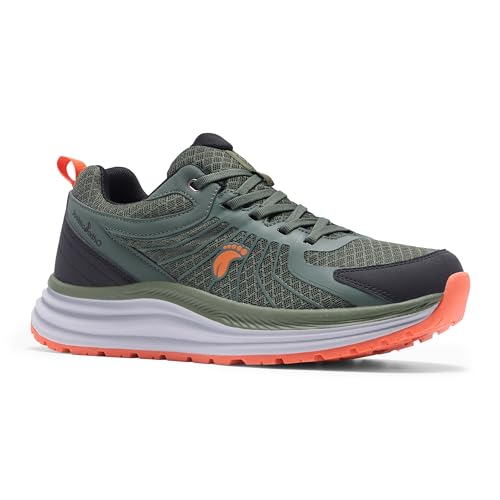
Men's Orthopedic Trail Running Shoes, Breathable Arch Support Sneakers for Plantar Fasciitis, Orthotic Comfort for Flat Feet, Hiking & Gym Footwear for Foot & Heel Pain Relief, Army Green, Size 7.5
Check price on Amazon
Skechers Street Women's, Arcade Arch FIT - Arcata, RED, 9.5 M US
Check price on Amazon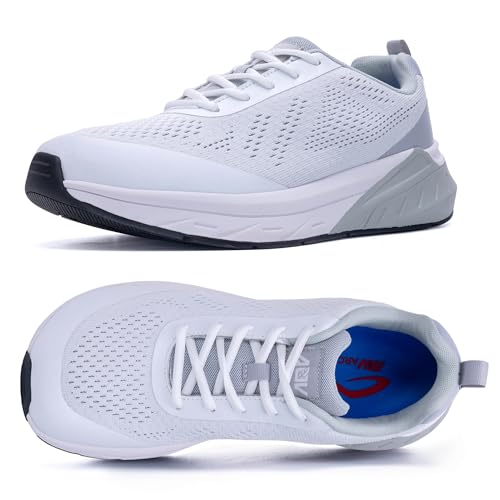
SHNMAE Men's Walking Shoes with Arch Support Orthotic Wide Sneakers
Check price on Amazon
FitVille Wide Walking Shoes for Men Extra Wide Width Sneakers with Arch Support for Flat Feet Heel Pain Relief Plantar Fasciitis - Rebound NEO V1
Check price on AmazonHow to Choose the Right Sneakers for Your Flat Feet
With so many options available, selecting the right pair can feel overwhelming. Follow this step-by-step approach to find sneakers that truly work for your flat feet:
Step 1: Assess Your Foot Type and Needs
Before shopping, understand your specific situation. Do you have mild, moderate, or severe flat feet? Do you experience pain during specific activities? A visit to a podiatrist can provide valuable insights. They may recommend specific features or even custom orthotics. If you prefer over-the-counter solutions, orthotics for pronation can be a game-changer.
Step 2: Get Properly Measured
Foot size changes over time, so get measured each time you shop. Measure both feet and use the larger size. For flat feet, you may need a wider size than you think. Many brands offer wide and extra-wide options. If you have swelling issues, consider extra wide velcro shoes for swollen feet or other adjustable options.
Step 3: Try Before You Buy
Whenever possible, try on sneakers in person. Wear the same type of socks you'll use with the shoes. Walk around the store—not just a few steps, but a full circuit. Pay attention to how your arch feels, whether your heel slips, and if there's any pressure on your toes. Online shopping is convenient, but check return policies carefully. If you can't try in person, look for retailers with free returns.
Step 4: Consider Custom Orthotics
If over-the-counter options aren't enough, custom orthotics from a podiatrist can provide the exact support your feet need. Many sneakers have removable insoles to accommodate orthotics. For those with high arches and supination (the opposite of overpronation), orthotics for high arches and supination may be more appropriate.
Step 5: Break Them In Gradually
Even the best sneakers need a break-in period. Start by wearing them for short periods and gradually increase duration. This allows the materials to mold to your feet and prevents blisters. If you experience persistent pain, the shoes may not be right for you—don't hesitate to return or exchange them.
Pro Tip: Replace your sneakers every 300–500 miles of walking or running, or every 6–8 months if worn daily. Worn-out cushioning and collapsed arches provide no support and can worsen flat feet problems.
Common Mistakes to Avoid When Buying Sneakers for Flat Feet
Even well-intentioned buyers can make mistakes that lead to discomfort or wasted money. Here are the most common pitfalls and how to avoid them:
- Prioritizing Style Over Support: Trendy sneakers may look great, but they often lack the arch support flat feet need. Always check the internal structure, not just the exterior design.
- Choosing Shoes That Are Too Flexible: While flexibility is nice in the forefoot, shoes that twist easily in the middle provide inadequate support. Look for firm midsoles that resist twisting.
- Ignoring Heel Slippage: If your heel lifts when you walk, the shoe is either too large or lacks proper heel lockdown. This can cause blisters and instability.
- Buying Online Without Checking Return Policy: Fit is crucial. Always verify that you can return or exchange if the shoes don't work out.
- Wearing Worn-Out Shoes: Sneakers lose their supportive properties over time. Don't hang onto old favorites past their prime—your feet will pay the price.
- Not Using Orthotics When Needed: If your podiatrist recommends orthotics, use them. Skipping this step can undermine even the best sneakers. For conditions like Achilles tendonitis, proper support is essential.
Matching Sneakers to Your Lifestyle
Your daily activities should guide your sneaker choice. Here's how to match footwear to different lifestyle needs:
For Work and Professional Settings
If you work in a professional environment, you may need sneakers that look dressy enough for business casual. Brands now offer sleek, leather-look sneakers with hidden arch support. For those in healthcare or warehouse roles, comfortable shoes to work in a warehouse or healthcare worker shoes with arch support are essential. Also consider comfortable work shoes with arch support for all-day comfort.
For Walking and Standing All Day
If your job or routine involves prolonged standing, prioritize cushioning and support. Non-slip shoes for standing all day often include arch support features. For those on concrete floors, good shoes for being on concrete all day and top-rated shoes for standing on concrete are worth investigating. Insoles for standing on concrete all day can also extend the life and comfort of your sneakers.
For Running and Athletic Activities
Runners with flat feet need specialized support. Good running shoes for plantar fasciitis and men's running shoes for plantar fasciitis are designed with flat feet in mind. For tennis players, tennis court shoes for plantar fasciitis provide lateral support and cushioning. Basketball players should look for men's basketball shoes with ankle support or basketball shoes for Achilles tendonitis if that's a concern.
For Casual and Everyday Wear
Everyday sneakers should balance comfort and style. Comfortable sneakers for walking all day and comfortable shoes that go with everything are versatile choices. If you want a fashion-forward option, white leather sneakers with arch support or cute white sneakers to wear with dresses can work well. For a sporty-casual look, business casual with sneakers for ladies is increasingly acceptable in many workplaces.
When to See a Podiatrist
While the right sneakers can alleviate many flat feet issues, some situations require professional medical attention. Consult a podiatrist if you experience:
- Persistent pain that doesn't improve with better footwear
- Swelling, redness, or warmth in your feet or ankles
- Numbness or tingling in your feet
- Difficulty walking or standing for normal periods
- Pain that radiates to your knees, hips, or lower back
- Sudden changes in your foot shape
A podiatrist can diagnose underlying conditions, recommend custom orthotics, and suggest specific shoe brands or models. They may also recommend men's walking shoes for plantar fasciitis or other specialized footwear based on your individual needs. For those with diabetes, composite toe safety shoes for diabetics may be appropriate for work environments requiring protective footwear.
Remember that flat feet can be a symptom of other conditions, such as tarsal coalition or accessory navicular bone. Proper diagnosis ensures you're addressing the root cause, not just the symptoms.
Frequently Asked Questions
Can sneakers really help flat feet?
Yes, absolutely. Sneakers with proper arch support, motion control, and cushioning can significantly reduce pain and improve function for people with flat feet. They compensate for the lack of natural arch support and help control overpronation.
How much should I expect to pay for quality sneakers for flat feet?
Quality sneakers with good arch support typically range from $80 to $180. Premium models with advanced technology can cost $200 or more. While it's an investment, the comfort and pain relief are well worth it.
Can I use over-the-counter insoles with my sneakers?
Yes, many sneakers come with removable insoles that can be replaced with over-the-counter orthotics. Look for over-the-counter orthotics for flat feet designed specifically for your condition.
How often should I replace my sneakers?
Replace sneakers every 300–500 miles of walking or running, or every 6–8 months if worn daily. Signs of wear include compressed cushioning, worn tread, and visible arch collapse.
Are minimalist or barefoot shoes good for flat feet?
Generally, no. Minimalist shoes lack the arch support and cushioning that flat feet need. However, some people gradually strengthen their feet with barefoot-style shoes under professional guidance. For most people with flat feet, supportive sneakers are the better choice.
What's the difference between stability and motion control sneakers?
Stability sneakers offer moderate support for mild to moderate overpronation. Motion control sneakers provide maximum support for severe flat feet and significant overpronation. Motion control shoes are heavier and stiffer.
Final Thoughts
Living with flat feet doesn't mean living with pain. The right sneakers—combined with proper orthotics if needed—can transform your daily experience, allowing you to walk, run, and stand comfortably. Focus on stability, cushioning, and proper fit. Don't sacrifice support for style, and don't hesitate to invest in quality footwear that protects your long-term foot health.
Remember that everyone's feet are unique. What works for one person may not work for another. Take the time to try different brands and models, and consult a podiatrist if you're unsure. With the right sneakers, you can enjoy an active, pain-free lifestyle despite having flat feet.
For additional support options, explore our guides on comfortable arch support shoes for women and comfortable walking sandals for flat feet. If you're also dealing with related conditions, our resources on arch support shoes for plantar fasciitis and good running shoes for plantar fasciitis can provide additional guidance.