
Diabetic Shoes for Women: Comfort, Safety & Style Guide
Protect your feet and step confidently with our expert guide to the best diabetic shoes for women. Learn about essential features, fit tips, and top recommendations for sensitive feet.
View Top PicksShoesTruth Guide: Finding the right footwear is critical for women managing diabetes. The wrong shoes can lead to serious foot complications, while the right pair provides protection, comfort, and peace of mind. This guide will help you make an informed choice.
For women living with diabetes, foot care is not just a matter of comfort—it's a vital part of overall health. Neuropathy (nerve damage) and poor circulation can make your feet more vulnerable to injuries, infections, and ulcers. The shoes you wear play a central role in preventing these issues. A well-designed pair of diabetic shoes for women can mean the difference between daily discomfort and confident, pain-free mobility.
But what exactly makes a shoe "diabetic-friendly"? It's more than just extra width. It's a combination of protective features, therapeutic design, and proper fit. Whether you're looking for everyday footwear for women or something more specialized, this guide will walk you through everything you need to know. We'll cover the key features to look for, how to find the perfect fit, and answer your most common questions. If you're also exploring other comfortable options, our guide on orthopedic sandals for women might be helpful for warmer weather.
Why Diabetic Shoes Matter for Women
Women with diabetes often face unique challenges when it comes to foot health. Hormonal changes, changes in weight, and the natural aging process can all affect foot shape and size. Additionally, diabetic neuropathy can reduce sensation in the feet, meaning you might not feel a blister, cut, or foreign object inside your shoe. This can quickly escalate into a serious infection.
Diabetic shoes are designed to address these specific risks. They are built with protective materials, seamless interiors, and supportive structures that reduce pressure points and prevent injury. Investing in a proper pair is a proactive step towards maintaining your mobility and quality of life. For those who need extra support, combining diabetic shoes with arch support footwear principles can offer even greater comfort.
Key Features to Look For in Diabetic Shoes for Women
Protective Toe Box
A wide, roomy toe box prevents pressure on toes and allows for natural movement. This is crucial for preventing blisters, corns, and deformities. Look for shoes with a round toe shape to give your toes plenty of space.
Seamless Interior
Seams inside a shoe can rub against your skin and cause irritation, especially if you have reduced sensation. Diabetic shoes often feature seamless linings or minimal stitching to prevent friction and hot spots.
Adjustable Closure
Velcro straps, elastic laces, or adjustable buckles allow you to customize the fit. This is important because feet can swell throughout the day. A secure but not tight fit helps prevent slipping and rubbing.
Cushioned Insole
A removable, cushioned insole provides shock absorption and pressure relief. Many diabetic shoes come with insoles that can be replaced with custom orthotics if needed.
Lightweight & Flexible Sole
A lightweight sole reduces fatigue, while a flexible sole allows for a more natural walking motion. Look for light shoes that don't weigh you down.
Breathable Materials
Materials like mesh or leather allow air to circulate, keeping feet dry. This helps prevent fungal infections and keeps skin healthy. For more on this, see our guide to breathable shoes.
Popular Types of Diabetic Shoes for Women
Diabetic footwear comes in a variety of styles to suit different lifestyles and needs. Here are some of the most common types:
- Walking Shoes: Designed for daily wear and light exercise, these offer good support and cushioning. They are often the most versatile option.
- Casual Sneakers: Look for styles with extra depth and width. Brands like Hush Puppies (though for men, the design principles apply) are known for comfort, and many women's brands offer similar features.
- Therapeutic Sandals: For warm weather, sandals with adjustable straps and arch support are a great choice. Our article on flip-flops with arch support explores this further.
- Boots: Protective boots can be a good option for colder months, providing ankle support and protection from the elements. Our winter shoes for men guide, while for men, shares some useful principles.
- Dress Shoes: You don't have to sacrifice style. There are elegant formal shoes for women designed with diabetic-friendly features.
How to Find the Perfect Fit
Getting the right fit is arguably the most important step. Here are some tips:
- Measure Your Feet: Measure your feet at the end of the day when they are at their largest. Measure both feet and use the larger size as your guide.
- Try Shoes on in the Afternoon: Feet tend to swell during the day, so afternoon fittings are more accurate.
- Check for Width: Ensure the shoe is wide enough. You should be able to wiggle your toes freely. Many women need wide shoes (though for men, the sizing concept is similar).
- Walk Around: Always walk around the store to ensure there's no slipping or rubbing.
- Consider Your Socks: Wear the same type of socks you plan to wear with the shoes when trying them on.
If you're also looking for comfortable options for specific activities, you might find our guide on sports shoes for women useful.
Top Recommended Diabetic Shoes for Women
⚠️ AFFILIATE DISCLOSURE: This website contains affiliate links. As an affiliate Associate, we earn from qualifying purchases. If you make a purchase through these links, we may receive a small commission at no additional cost to you. Read our full affiliate policy.

Scurtain Diabetic Shoes for Women Wide Width Walking Shoes Black Zero Drop Nursing Pregnancy Bunion Surgery Relief Shoe Breathable Barefoot Minimalist Summer Spring House Slippers Shoes Size 9
Check price on Amazon
Scurtain Women Orthopedic Diabetic Shoes Extra Wide Barefoot Walking Shoe Zero Drop Grounding Comfortable Neuropathy Edema Nursing Shoes Wide Bunion Sneakers Size 8.5
Check price on Amazon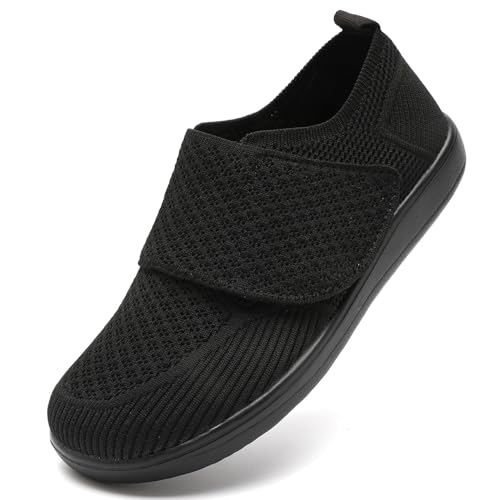
Diabetic Shoes For Women Orthopedic Shoes For Swollen Feet Black Size 9.5 | Wide Toe Box , Slip On , Adjustable , Barefoot , Breathable , Zero Drop , Lightweight , Flexible Sole , Sneakers , Walking
Check price on Amazon
LeIsfIt Wide Toe Box Diabetic Shoes for Women Zero Drop Barefoot Sneakers Breathable Adjustable for Edema Swollen Feet & Seniors Taupe Size 8.5
Check price on Amazon
Besroad Womens Wide Diabetic Shoes Adjustable Walking Sneakers Arthritis Edema Zero Drop Sole Shoes Indoor Outdoor Casual 8Wide Khaki
Check price on Amazon
Scurtain Womens Casual Walking Shoes Summer Spring Non Slip Grounding Shoes Wide Width Barefoot Shoe White Nurse Neuropathy Edema Orthopedic Slippers Shoes Size 8.5
Check price on AmazonDiabetic vs. Regular Shoes: What's the Difference?
| Feature | Diabetic Shoes | Regular Shoes |
|---|---|---|
| Toe Box | Extra wide and deep | Standard width and depth |
| Interior | Seamless or minimal seams | Seams and stitching common |
| Insole | Removable, cushioned, often orthotic-friendly | Standard, often glued in |
| Closure | Adjustable (Velcro, elastic) | Standard laces or buckles |
| Material | Breathable, soft leather or mesh | Varied, can be stiff |
| Price Range | $80–$200+ | $30–$150 |
Frequently Asked Questions
Are diabetic shoes covered by insurance?
In many cases, yes. If you have a prescription from your doctor and a diagnosis of diabetes, Medicare and many private insurance plans may cover a portion of the cost for therapeutic shoes. It's best to check with your specific provider for details.
Can I wear diabetic shoes for running or sports?
While some diabetic shoes are designed for walking, they are not typically intended for high-impact sports. For running, you may need a specialized good running shoe that accommodates your foot shape and any orthotics. Always consult your doctor before starting a new exercise regimen.
How often should I replace my diabetic shoes?
It's generally recommended to replace diabetic shoes every 6 to 12 months, or sooner if they show signs of wear, such as a compressed insole or worn-out sole. Because they are designed to protect your feet, maintaining their integrity is crucial.
What if I have very wide feet?
Many diabetic shoe brands offer extra-wide and extra-extra-wide sizes. Look for shoes specifically designed for wide width feet. A proper fit is essential, so don't compromise on width.
Ready to find your perfect pair? Explore our top recommendations for diabetic shoes for women and take a step towards healthier, happier feet.
Shop Top PicksFinal Thoughts
Choosing the right diabetic shoes for women is an investment in your health and well-being. By prioritizing features like a wide toe box, seamless interior, and adjustable closure, you can significantly reduce the risk of foot complications. Remember to get a proper fit, and don't hesitate to consult with a podiatrist or your healthcare provider for personalized advice.
With the right footwear, you can maintain your active lifestyle and step out with confidence. For more guidance on foot health and comfortable footwear, explore our other resources, such as our guide to comfy sandals and recovery slides.