Good Running Shoes: The Complete Buyer's Guide
Learn how to identify truly good running shoes based on cushioning, fit, drop, and durability. Make an informed choice for your next pair.
Why "good" is personal: A running shoe that feels perfect for a marathoner may cause discomfort for a casual jogger. This guide breaks down the science and feel of running shoes so you can define what "good" means for your feet, gait, and training goals — then buy with confidence.
What Makes a Running Shoe "Good"?
The term "good running shoes" gets thrown around loosely. In reality, a good running shoe is one that matches your biomechanics, your training surface, and your weekly mileage. It should feel comfortable from the first mile, provide appropriate shock absorption, and hold its structure after 300–500 miles of use.
Before you shop, understand that no single shoe is universally good. A neutral runner may find stability shoes clunky and overly firm, while an overpronator may find neutral shoes unstable and fatigue-inducing. The key is matching shoe design to your running style.
If you're exploring the broader category of performance footwear, it helps to compare running-specific designs with general lifestyle shoes. Lifestyle shoes prioritize aesthetics and casual comfort, while true running shoes are engineered for repetitive impact and forward motion.
Proper Cushioning
Absorbs impact without feeling mushy. Modern foams like EVA, TPU, and PEBA offer responsive energy return.
Accurate Fit
Room in the toe box, secure midfoot, and heel lock. A good fit prevents blisters, black toenails, and instability.
Appropriate Drop
Heel-to-toe offset from 0 mm to 12 mm. Lower drop encourages natural stride; higher drop suits heel strikers.
Durable Outsole
Rubber compounds and strategic lug patterns determine grip, longevity, and performance on wet or dry surfaces.
Key Features to Evaluate Before Buying
When you pick up a running shoe, you're evaluating a system of components. Here's what matters most:
1. Cushioning and Midsole Foam
The midsole is the heart of the shoe. It determines how soft or firm the ride feels and how much energy you get back with each stride. Max-cushion shoes suit long distances and recovery runs, while firmer, lower-profile midsoles appeal to tempo runners who want ground feel.
If you prefer a more natural, minimalist feel underfoot, explore barefoot running shoes. They offer minimal cushioning and a wide toe box, encouraging your foot to move more naturally.
2. Heel-to-Toe Drop
Drop is the height difference between the heel and forefoot. Traditional running shoes sit around 10–12 mm, while modern performance trainers often use 4–8 mm. Lower-drop shoes can reduce knee strain but may load the calves and Achilles more. There's no "best" drop — only what suits your body and running form.
3. Stability and Support
Stability shoes include medial posts, guide rails, or wider bases to control overpronation. Neutral shoes let your foot move freely. If you're unsure, a gait analysis at a specialty running store is the fastest way to find out which category you fall into.
For runners who want a versatile pair that transitions from road to light trail, running sneakers offer a balanced blend of cushioning, grip, and style. And if you're specifically looking for women's options, sports shoes for women are designed with narrower heels and specific arch support.
4. Outsole and Traction
Carbon rubber in high-wear areas extends durability; blown rubber in the forefoot adds grip and flexibility. If you run on wet roads or light trails, look for deeper lugs and sticky rubber compounds.
5. Weight and Breathability
Lighter shoes reduce fatigue over long distances, but they often sacrifice durability. Breathable mesh uppers keep feet cool and dry — a must for summer running or high-intensity intervals.
| Feature | Best For | Typical Price Range |
|---|---|---|
| Max Cushion | Long runs, recovery, joint comfort | $140–$220 |
| Neutral Trainer | Daily training, versatility | $120–$180 |
| Stability Shoe | Overpronation, arch support | $130–$200 |
| Performance Trainer | Tempo runs, speed work | $150–$250 |
| Racing Shoe | Race day, personal bests | $180–$300 |
| Trail Runner | Off-road, uneven terrain | $130–$220 |
How to Find Your Perfect Pair
Buying good running shoes isn't about chasing the most expensive model. It's about matching the shoe to your needs. Follow this practical process:
- Get fitted professionally: A specialty running store will measure your feet, watch you run, and recommend 3–4 options.
- Shop late in the day: Feet swell during the day and during runs. Try shoes when your feet are at their largest.
- Wear your running socks: The thickness of your socks affects fit. Always try shoes with the socks you'll actually run in.
- Test on a treadmill or hard floor: Feel the transition from heel to toe. Check for pressure points or slipping.
- Buy from a store with a return policy: Many retailers allow you to run in shoes for 30–90 days and return them if they don't work out.
If you're also building a casual rotation, you might enjoy sneakers shoes for men for everyday wear. And for those who want to explore the latest drops, sneaker releases keeps you updated on new colorways and collaborations.
For runners who prefer a lightweight, flexible feel, light shoes can reduce fatigue during speed sessions. Meanwhile, if you run in wet climates, consider waterproof sneakers for women or waterproof shoes for women to keep your feet dry.
Common Mistakes to Avoid
Even experienced runners make these errors. Avoid them to get more value and comfort from your shoes:
- Buying for looks alone: A stylish shoe that doesn't fit your gait will cause pain. Function first, fashion second.
- Ignoring wear patterns: Replace shoes every 300–500 miles, or when the midsole feels flat and the outsole is worn smooth.
- Sticking to one pair for everything: Rotating two or three pairs extends their life and reduces injury risk.
- Sizing up too much: A thumb's width at the toe is ideal. Too much room causes sliding and blisters.
- Running in worn-out shoes: Worn cushioning increases impact on joints. Track your mileage.
If you're interested in the broader running culture, sneaker head communities often discuss performance and style. And for those who appreciate vintage aesthetics, vintage shoes offer a retro look that can complement your running gear.
Frequently Asked Questions
How often should I replace my running shoes?
Most running shoes last 300–500 miles. If you run 20 miles per week, that's roughly every 4–6 months. Replace sooner if the midsole feels compressed or you notice new aches and pains.
Are expensive running shoes always better?
No. Price often reflects advanced materials and brand prestige, but a $120 shoe that fits your foot perfectly will outperform a $250 shoe that doesn't. Fit and function come first.
Can I use running shoes for walking or gym workouts?
Running shoes are designed for forward motion. For gym workouts, cross-training shoes offer better lateral support. For walking, dedicated walking shoes provide a smoother roll.
What is the best drop for a beginner?
Beginners often do well with a 8–10 mm drop, which balances cushioning and natural stride. As you gain experience, you can experiment with lower drops if you want more ground feel.
Do I need stability shoes?
Only if you overpronate significantly. Many runners do fine in neutral shoes. A gait analysis can tell you definitively. Don't buy stability shoes "just in case" — they can feel overly controlling for neutral runners.
Ready to Find Your Good Running Shoes?
Explore our recommended picks below and take the first step toward a more comfortable, efficient run.
See Recommended ShoesRecommended Good Running Shoes
⚠️ AFFILIATE DISCLOSURE: This website contains affiliate links. As an affiliate Associate, we earn from qualifying purchases. If you make a purchase through these links, we may receive a small commission at no additional cost to you. Read our full affiliate policy.
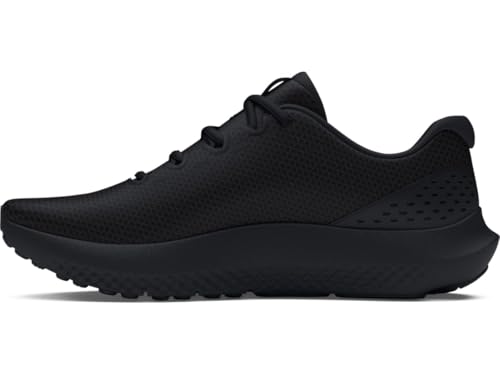
Under Armour Men's Charged Surge 4, 002 Black, 9.5
Check price on Amazon
Brooks Men's Adrenaline GTS 25
Check price on Amazon
Brooks Women’s Anthem 8 Neutral Running Shoe - Spellbound/Yucca/White - 8 Medium
Check price on Amazon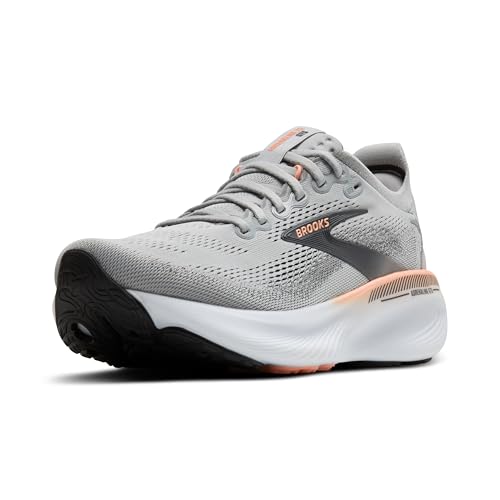
Brooks Women’s Adrenaline GTS 25 Supportive Running & Walking Shoe - Grey/Blackened Pearl/Coral - 9 Medium
Check price on Amazon
Under Armour Women's Charged+ Assert 11, 001 Black, 8.5
Check price on Amazon