
Football Shoes for Artificial Grass: The Ultimate Guide
Discover how to choose the right boots for synthetic pitches. Learn about AG studs, turf traction, comfort, and durability to elevate your game on artificial grass.
FIND YOUR PERFECT PAIRWhy Artificial Grass Demands Different Football Shoes: Playing on artificial grass (AG) is not the same as natural grass. Synthetic surfaces are abrasive, harder, and retain heat. Standard firm-ground (FG) studs can cause discomfort, increase injury risk, and wear out quickly. The right AG-specific boots distribute pressure, provide consistent traction, and protect your joints. This guide will help you understand the technology and choose the best pair for your game.
Recommended Football Shoes for Artificial Grass
⚠️ AFFILIATE DISCLOSURE: This website contains affiliate links. As an affiliate Associate, we earn from qualifying purchases. If you make a purchase through these links, we may receive a small commission at no additional cost to you. Read our full affiliate policy.

Puma Men's Future Play Turf Trainer Soccer Cleats, Black-Fizzy Light-Green Terrain AH25, 10
Check price on Amazon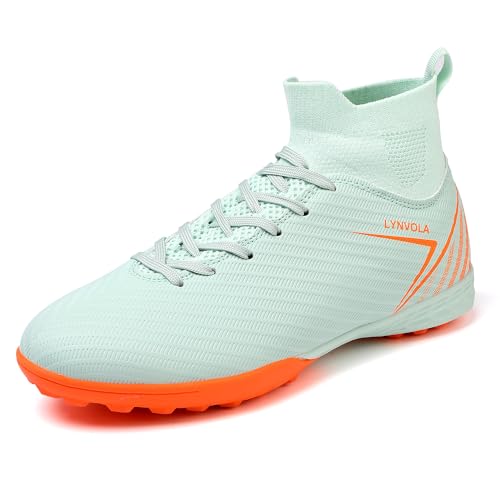
Lynvola Men's Turf Soccer Cleats for Artificial Grass Indoor & Outdoor Football Shoes Lightweight with Superior Traction TF Boots for Training & Matches Green US 6.5
Check price on Amazon
Lynvola Men's Turf Soccer Cleats for Artificial Grass Indoor & Outdoor Football Shoes Lightweight with Superior Traction TF Boots for Training & Matches White US 6.5
Check price on Amazon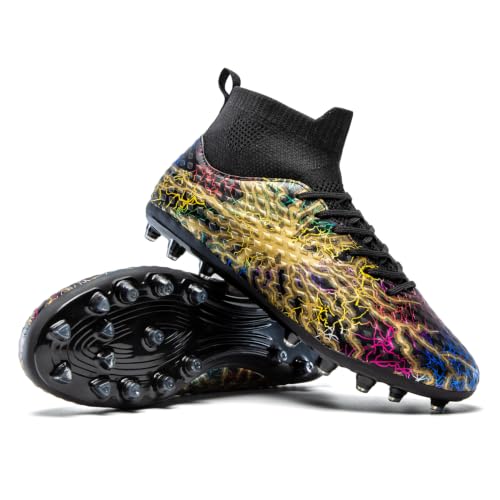
Unisex Soccer Cleats Mens Women Football Cleats for Multi-Surface
Check price on Amazon
Adidas Unisex-Kids Goletto IX Turf Soccer, Black/White/Black, 6
Check price on Amazon
DetoDote Men Women Adult Soccer Cleats, Lightweight Breathable Football Shoes Non-Slip TPU Studs for Natural Grass Artificial Turf Indoor Training Courts Pink, 12 Women/11 Men
Check price on Amazon
tevzolpa High Top Soccer Cleats for Men Women Youth TF Turf Indoor Soccer Shoes AG Artificial Grass Football Boots Outdoor Breathable Non-Slip Wide Training Shoes (2608 HEI TF_44)
Check price on AmazonWhat Makes a Football Shoe Ideal for Artificial Grass?
Artificial grass pitches are designed to mimic natural turf, but they behave very differently underfoot. The synthetic fibers, infill (like sand or rubber crumb), and firm base create a unique set of demands. A shoe built for AG typically features a specialized outsole with shorter, more numerous studs — often hollow or rounded — to spread weight evenly. This design minimizes pressure points and reduces the risk of studs penetrating too deeply, which can lead to knee and ankle strain. Additionally, the upper materials are often more durable and abrasion-resistant to withstand the rougher surface. For players who split their time between natural and artificial pitches, a dedicated AG boot is a smart investment for both performance and longevity.
When you're browsing, look for the "AG" designation. Some boots are labeled "FG/AG" as a hybrid, but a true AG soleplate offers the best experience. If you also play on natural grass, you might consider a separate pair of football cleats for turf and grass to cover all bases. The key is to match the outsole to the surface for safety and comfort.
Key Features to Look For in AG Football Shoes
Not all AG boots are created equal. Here’s what to prioritize:
- Outsole & Stud Configuration: Look for a high number of short, hollow, or conical studs. This pattern maximizes surface contact and reduces point pressure. Brands often use specific names like "AG" or "Artificial Grass" in the model description.
- Upper Material: Synthetic leathers or engineered meshes are common because they resist abrasion better than natural leather. They also tend to be lighter and dry faster. Some premium models use kangaroo leather for a glove-like fit, but they may require more care on abrasive surfaces.
- Cushioning & Comfort: AG pitches are firm. A well-cushioned midsole or insole can absorb impact. Removable insoles allow you to add custom orthotics if needed. For players who stand for long periods, whether on the pitch or at work, comfort is paramount — much like choosing comfortable shoes for teachers who stand all day.
- Fit & Lockdown: A snug heel and secure midfoot are crucial for agility. Look for features like a knitted collar or a structured heel counter. A proper fit prevents slipping and blisters.
- Durability: Reinforced toe caps and abrasion-resistant panels extend the life of the boot, especially in high-wear areas.
AG vs. FG vs. Turf: What’s the Difference?
Understanding the distinctions helps you make an informed choice:
- FG (Firm Ground): Designed for natural grass. Studs are longer and fewer in number. Using FG boots on AG can cause discomfort and premature wear.
- AG (Artificial Grass): Specifically engineered for synthetic surfaces. Shorter, more numerous studs distribute weight. The soleplate is often more flexible to reduce stress on joints.
- Turf (TF): For older or very short synthetic pitches, often with a rubberized outsole and many small nubs. They offer excellent traction on hard, gritty surfaces but less penetration.
If you play on a variety of surfaces, a dedicated AG boot is your best bet for synthetic pitches. For those who also enjoy casual games on hard courts, a pair of men's tennis shoes with velcro closure might be a comfortable alternative, but they lack the specific traction for football.
Comfort & Injury Prevention on Artificial Grass
Playing on artificial grass can be tough on your feet and joints. The surface doesn't give like natural grass, so shock absorption is critical. Look for boots with a cushioned midsole or add aftermarket insoles. If you have specific foot conditions, such as plantar fasciitis, you may need extra arch support — similar to what you'd seek in dress flat shoes with arch support. Proper footwear can reduce fatigue and lower the risk of overuse injuries.
Also, consider the climate. Artificial pitches can get very hot. Breathable uppers help keep your feet cool. After playing, air out your boots and consider using a shoe storage cover to protect them from dust and moisture.
What Should You Expect to Pay?
Football shoes for artificial grass range from budget-friendly models to premium elite boots. You can find reliable entry-level AG boots for around $50–$90. Mid-range options with better materials and cushioning typically cost $90–$150. Professional-grade boots with advanced traction and lightweight uppers can exceed $150–$250+. The best value often lies in the mid-range, where you get a good balance of durability, comfort, and performance.
Caring for Your AG Football Shoes
To extend the life of your boots, clean them after each use. Remove dirt and infill from the studs with a brush. Avoid soaking them; instead, wipe with a damp cloth and air dry away from direct heat. For leather models, use a conditioner occasionally. If you notice worn studs or a damaged sole, consider a shoe sole replacement or heel repair before they affect performance. Proper care not only saves you money but also ensures consistent traction and comfort.
Final Thoughts: Dominate the Synthetic Pitch
Investing in the right football shoes for artificial grass is essential for any player who regularly competes on synthetic surfaces. The correct AG boots will enhance your traction, reduce fatigue, and protect your joints, allowing you to focus on your game. Use this guide to evaluate your options, consider your playing style and budget, and choose a pair that feels like a natural extension of your foot. Whether you're a weekend warrior or a seasoned competitor, the right footwear makes all the difference.
For more information on footwear for different surfaces, you might also explore our guide on football cleats for turf and grass to compare options.